10 Money-Saving Hacks That Are Surprisingly Illegal!
Illegal money-saving hacks risk legal trouble. Stick to legit methods like automation, coupons, and smart spending. Building emergency funds and tracking expenses are safer ways to save. Ethical choices lead to sustainable financial freedom.
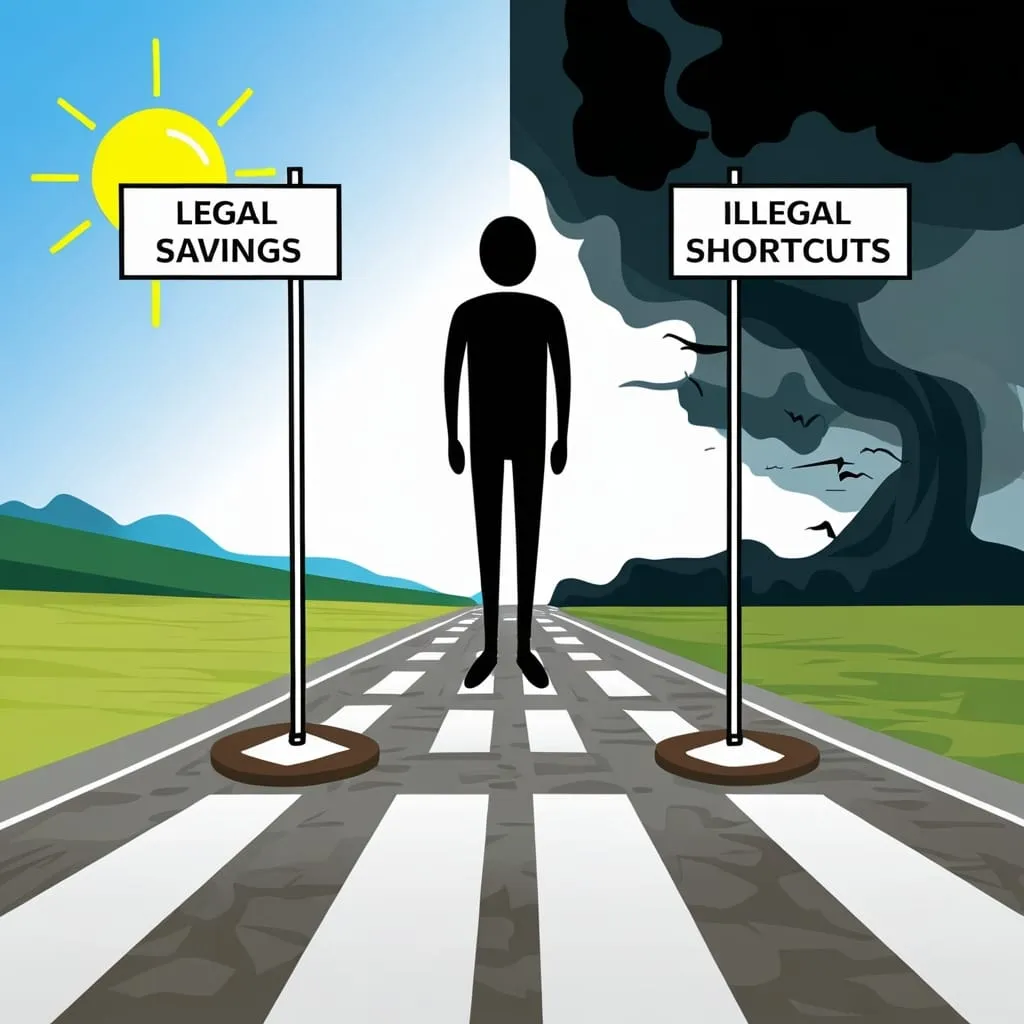
Money-saving hacks that seem clever but are actually illegal? Oh boy, we've all been tempted to cut corners sometimes. But let's be real - breaking the law to save a few bucks just ain't worth it.
I get it though. Times are tough and we're all trying to stretch our dollars. But there's a line between being thrifty and being shady. And crossing that line can land you in some serious hot water.
Take parking tickets, for example. Ever been tempted to "lose" your ticket at the airport to pay less? I know I have! But that's straight-up fraud, my friend. Not cool. Same goes for faking farm status to dodge property taxes. Sure, having a couple chickens in the backyard might seem harmless. But the taxman won't see it that way if you're not actually farming.
And don't even get me started on insurance scams. Claiming you "lost" that expensive watch you never owned? That's just asking for trouble. Insurance companies have seen it all before and they don't mess around with fraud.
Some folks think they're slick by constantly withdrawing cash to hide income. But the IRS is smarter than that. They'll catch on eventually and then you're really in for it. Tax evasion is no joke.
I've heard of people using fake IDs for student discounts too. Seems harmless, right? Wrong. That's identity fraud and it can come back to bite you big time.
Look, I get the appeal of these "hacks." Money's tight and it feels good to game the system. But at what cost? Legal trouble, fines, maybe even jail time - that ain't worth saving a few bucks.
Instead of risking it all on sketchy schemes, why not try some legit ways to save? Automating your savings is a game-changer. Set it and forget it, baby. Before you know it, you've got a nice little nest egg built up.
Coupons and discounts are your friends too. No shame in the coupon game! Stack those deals and watch the savings add up. Just don't go overboard and become one of those extreme couponers with a basement full of toilet paper. Nobody needs that much TP.
Tracking your spending is another big one. It's eye-opening (and sometimes horrifying) to see where your money actually goes. But knowledge is power, right? Once you know your habits, you can make smarter choices.
Building an emergency fund is clutch too. Life loves to throw curveballs, and having some cash stashed away can save your bacon when things go sideways.
And don't forget to shop smart. Check those price histories before you buy. Nothing worse than snagging a "deal" only to find out it was cheaper last week.
At the end of the day, saving money is great. But it's not worth compromising your integrity or breaking the law. There are plenty of legit ways to keep more cash in your pocket without resorting to shady tactics.
So next time you're tempted by one of these "clever" money-saving hacks, take a step back. Ask yourself if it's really worth the risk. Chances are, it's not. Stick to the straight and narrow, my friends. Your wallet (and your conscience) will thank you.
Remember, true financial freedom comes from making smart, ethical choices. It might not be as flashy as some of these illegal schemes, but it's a whole lot more sustainable. And hey, you get to sleep easy at night knowing you're not looking over your shoulder for the law.
So let's raise a toast to saving money the right way. It might take a little more effort, but it's worth it in the long run. Here's to being savvy, not shady!
Now, if you'll excuse me, I've got some coupons to clip and a budget to balance. Adulting ain't always fun, but someone's gotta do it. Stay smart, stay legal, and keep those wallets fat!