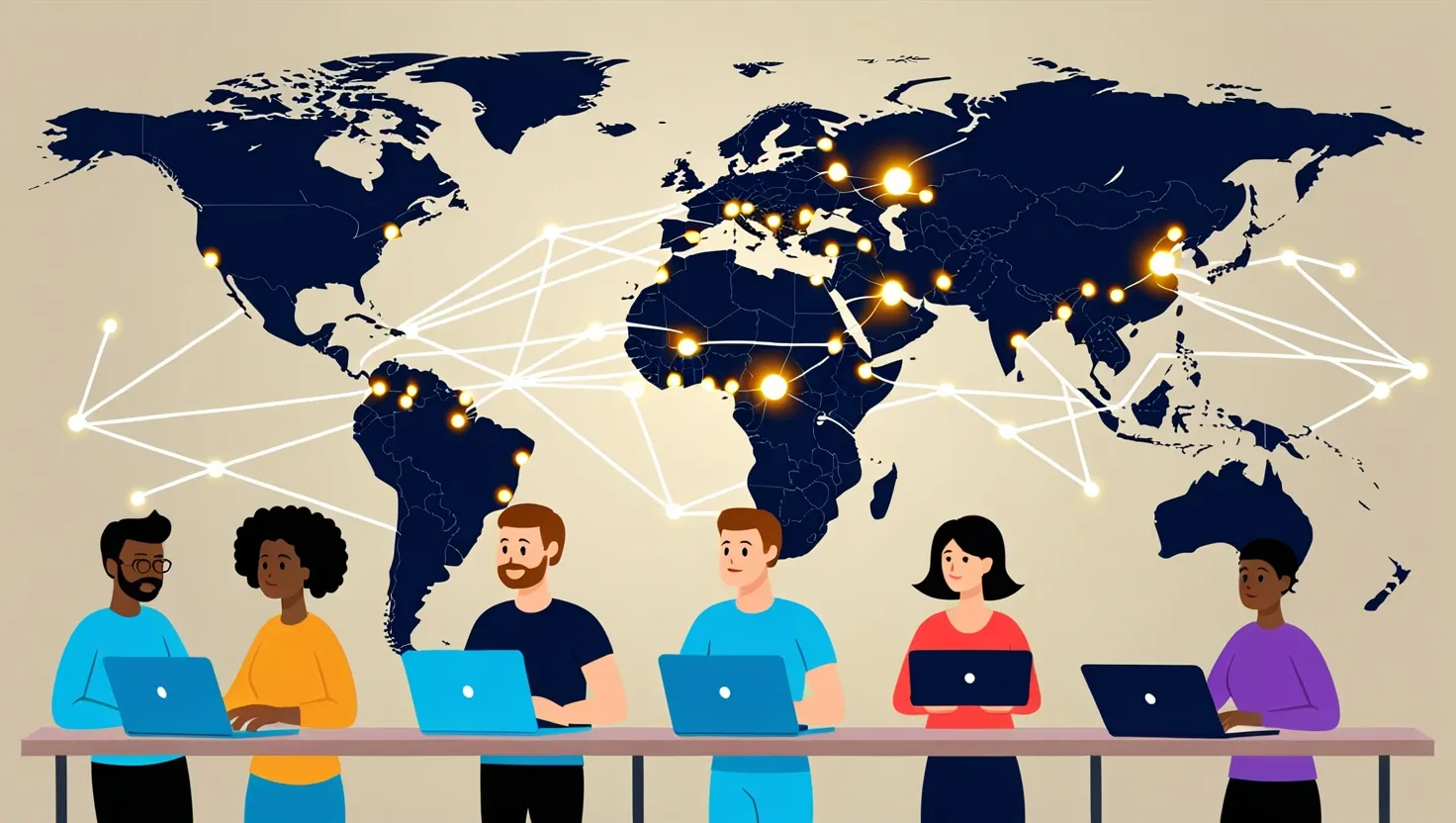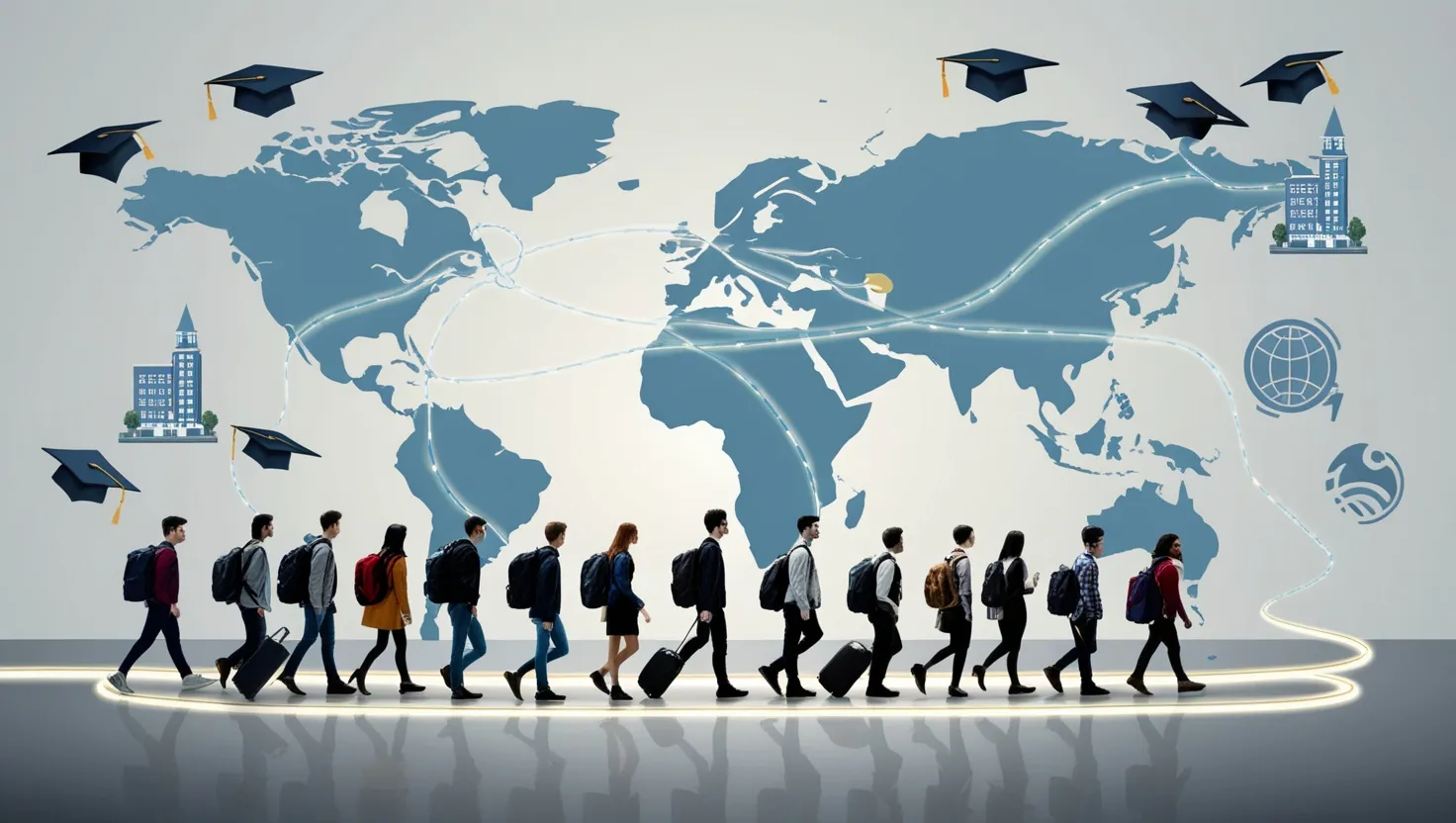
Imagine this: millions of young people packing their bags, leaving home for universities far away. They’re not just chasing degrees—they’re reshaping entire countries’ futures. These international student flows are like invisible rivers carrying talent across borders, feeding economies, sparking ideas, and even easing tensions between nations. Today, let’s walk through five big ways this is happening, and I’ll share some hidden sides you might not have thought about. Stick with me; I’ll keep it simple, like we’re chatting over coffee.
First, picture the elite education hubs like the US and UK. These places pull in the world’s smartest students with shiny names like Harvard or Oxford. Sure, everyone knows the prestige, but here’s a lesser-known twist: many of these grads don’t just leave with a diploma—they stay and power up local industries. Think about it. A kid from India lands in Silicon Valley, studies computer science, and ends up building the next big app for a US company. That keeps America ahead in tech. But wait, have you ever wondered why so many stay? It’s not just the jobs; it’s the networks they build in dorms and labs that trap them in a good way.
“The more emphasis we place on cross-cultural education, the better prepared our young people will be to take on new global challenges.” – Holly Singh, Arizona State University
Now, shift your eyes to the rise of regional centers. Places like Malaysia and the UAE aren’t waiting for the big dogs. They’re creating whole “education cities” to grab students from nearby spots—think kids from Africa or the Middle East studying in Dubai instead of flying across oceans. Why does this matter? It keeps talent close to home. No more “brain drain” where everyone jets off to the West and forgets their roots. Imagine a Nigerian engineer training in Kuala Lumpur, then heading back to Lagos with fresh skills to build local factories. These hubs save sending countries billions in lost expertise. And get this: they’re cheaper and less scary—no massive culture shock. Question for you: If you were picking a study spot, would you go far away or stay regional?
Let’s talk post-study work rights, where countries like Canada and Australia play smart. They dangle visas like candy: study here, work here after, maybe stay forever. It’s a genius move. These nations turn temporary students into permanent workers filling tech and health jobs. Lesser-known fact? This isn’t new—Australia’s been doing it quietly for decades, pulling in nurses from the Philippines who never planned to immigrate. For economies, it’s gold: students pay tuition first, then taxes forever. But flip it—what if your home country loses those nurses? Canada gets a boost in innovation because diverse teams think differently. Ever thought about how one visa rule could change a whole industry’s speed?
“Studying abroad permits a student to see different environments, opportunities, and possibilities that were not readily available when living in their home countries.”
Next up, strategic scholarship programs. China’s Belt and Road gives free rides to thousands from Asia and Africa, while Europe’s Erasmus+ mixes students across the continent. These aren’t just free tuition—they’re long games for influence. Picture a Kenyan student in Beijing learning AI on China’s dime. Years later, that person runs a firm back home but stays loyal, signing deals with Chinese companies. It’s diplomacy through classrooms. Unconventional angle: these programs create “soft power” networks that outlast presidents. Erasmus has kept Europe glued together during fights—friends made in Spain help broker peace talks later. Ask yourself: Could a scholarship from a rival country sway your career loyalties?
Finally, the online pivot is flipping everything. Hybrid degrees and full digital programs from top schools mean you don’t need a plane ticket anymore. A farmer’s kid in rural India can earn a UK master’s from home. This democratizes talent—no visas, no culture shock. But here’s the hidden edge: it boosts sending countries. No brain drain; knowledge stays local. Economies win big—tuition flows in without the living costs. Geopolitics? Tensions like US-China trade wars push students online to neutral platforms. Imagine studying MIT courses via app while borders close. Wild, right? What if online learning made elite education free for everyone—would borders even matter for talent?
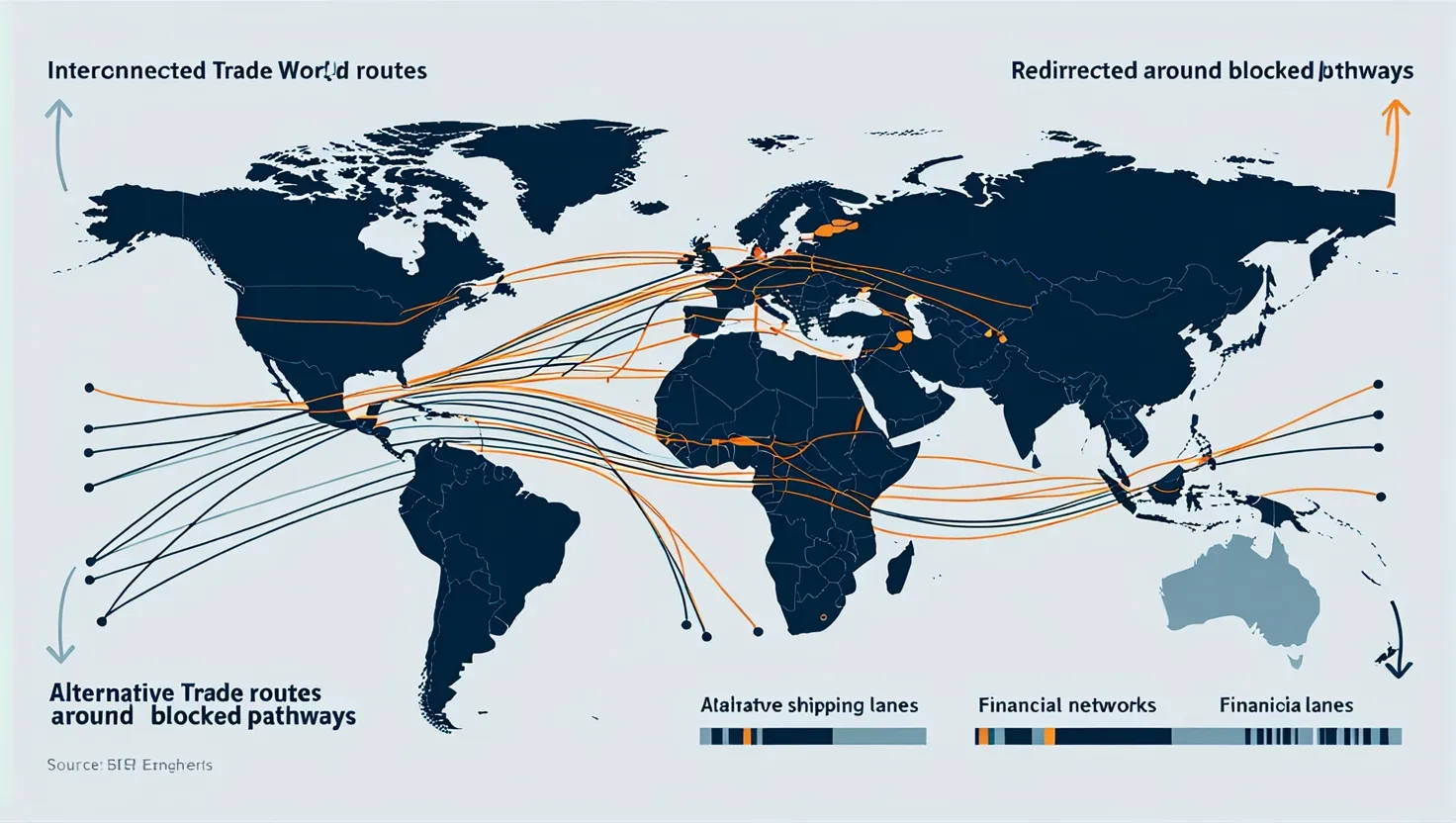
These five flows aren’t random. They pump billions into host economies—tuition, rent, food. The US alone rakes in over $40 billion yearly from students. Sending countries get remittances and returning experts, but sometimes it’s a raw deal if talent doesn’t come back. Recent twists? Geopolitical fights and visa crackdowns are rerouting rivers. Indian students now flock to Canada over the US for stability. Europeans pick Ireland for post-study jobs amid Brexit mess.
Why care? Where you study shapes where you work and who you connect with. A Brazilian in Australia might link São Paulo firms to Sydney startups, boosting trade. Science speeds up too—diverse teams solve climate puzzles faster because they see angles others miss. Diplomacy softens: old classmates become ambassadors, cooling hot conflicts.
But let’s get real—it’s not all smooth. Culture shock hits hard. You land in a new place, food tastes weird, friends are ghosts back home. Loneliness creeps in, even with new pals. Money? Flights, housing, insurance— it adds up fast. Language walls block classes. And studies? You might lag behind or redo exams. Teens learn self-reliance quick, though—cooking alone, busing solo. That builds grit employers love.
“Virtually every culture teaches its values as absolutes. But if you get to experience another culture in a meaningful way at the right time in your life, you form a deeper respect for different cultures.”
Here’s a fresh take: these flows are creating “talent tribes.” Not countries, but global groups of engineers or artists linked by alma maters. A lesser-known fact—exchange kids from high school programs grow up more adaptable, brains wired for change during teen years. They tackle world messes like food shortages with borrowed ideas from everywhere.
Do you see it? Students aren’t just learners; they’re economic engines. Host spots gain workers; senders get networks. But unconventional view: what if “brain drain” is a myth? Many return richer, starting firms that hire locals. India’s tech boom? Fueled by US-returnees.
Post-study visas are magnets. Canada’s policy lets you work three years after graduation—boom, 40% stay. Australia converts 20% of students to citizens yearly. Hidden gem: these policies ease aging populations. Japan’s trying it now, pulling Southeast Asians quietly.
Regional hubs thrive on “proximity power.” UAE’s Dubai campus hosts 50,000 students from 200 countries, but mostly Middle East. Malaysia’s affordable—half US costs—and English everywhere. Result? Talent circles back, building Gulf tech without Western dependence.
Scholarships weave webs. China’s funded 300,000 since 2013; grads now lead African infrastructure. Erasmus has moved 12 million, knitting EU ties. Twist: these create “boomerang elites”—loyal pros who bridge worlds.
Online? Enrollment exploded 20x since 2020. Platforms like Coursera partner with unis, letting Brazilians earn Yale certs at home. It slashes costs 80%, pulls rural talent. Geopolitics pivot: sanctions? Study anyway.
“The challenges we face today require us to be not just tolerant of other cultures, but truly global citizens.”
Interactive bit: If you’re a student eyeing abroad, chase post-work rights first—or stay online? Families, think remittances vs. empty nests.
Economies hum. Hosts get $200 billion global revenue. Innovation? Study-abroad alums file 10% more patents. Diplomacy? Exchange buds broker deals—think US-China tech pacts via Stanford-Beijing links.
Lesser-known: reverse flows. Rich kids from Gulf go to US for fun, return with ideas transforming oil kingdoms into AI hubs. Or African students in China sparking “Silk Road 2.0” trade.
Challenges persist. Visas tighten—US H1B lottery frustrates. Pandemics proved online works, but misses dorm chats. Culture gaps breed bias if not handled right.
Yet upsides dazzle. Broader thinking, lifelong friends, job edges. Kids gain “dexterity”—adaptable minds for tomorrow’s chaos.
Picture the pipeline: student arrives, pays fees, innovates, stays or returns changed. Nations compete like sports teams scouting talent.
Final nudge: These flows aren’t stopping. With AI jobs booming, watch regional-online hybrids dominate. Stability trumps prestige now—Canada surges as US wobbles.
So, next time you hear “study abroad,” think bigger. It’s economies colliding, ideas mixing, futures building. Where will you flow? (Word count: 1523)