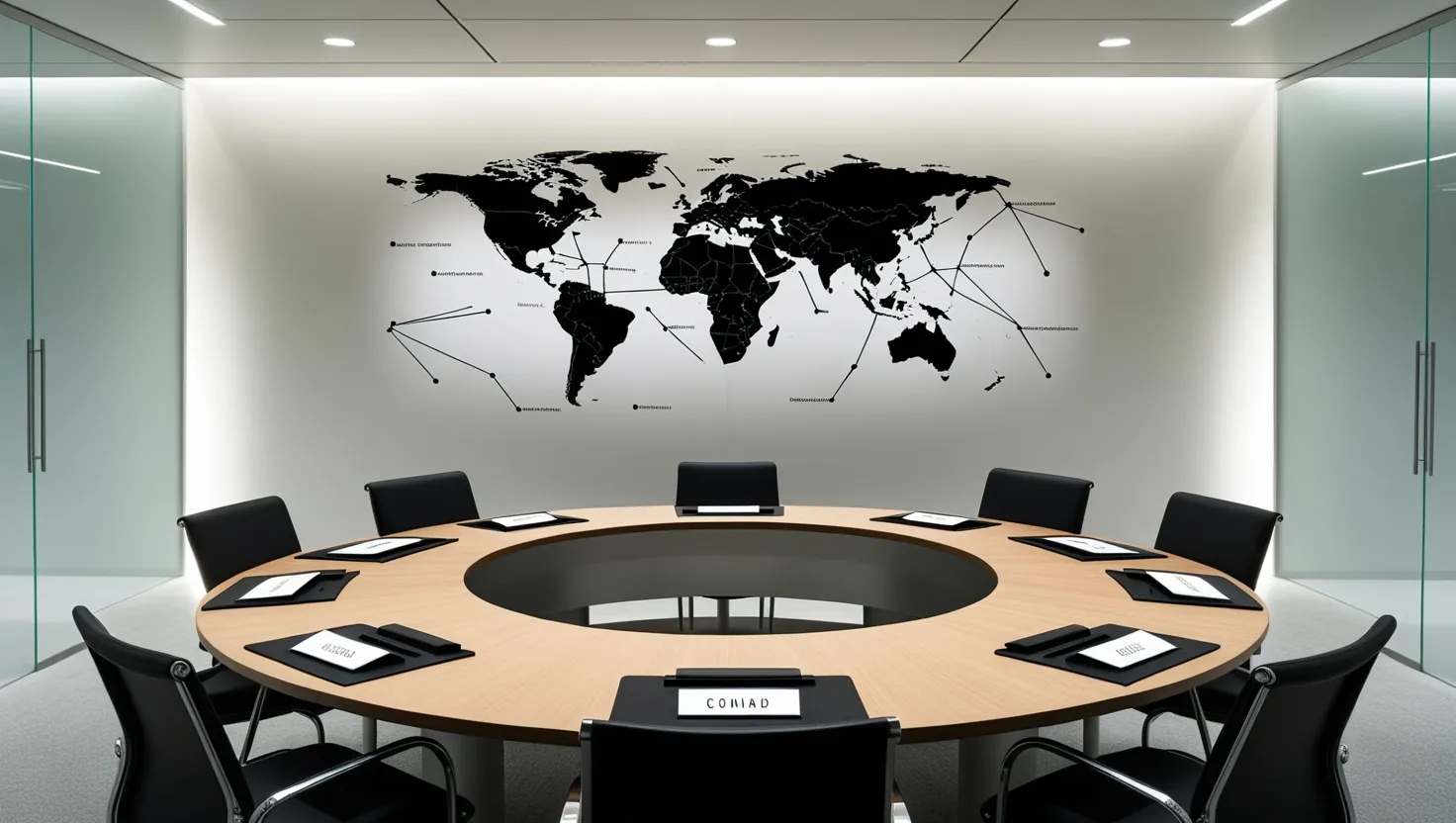
Imagine you’re in a big fight with someone from another country over a business deal gone wrong. National courts feel risky—one side might control the judge. What if you could pick a neutral spot, like a referee in the middle of nowhere, to sort it out fairly? That’s international arbitration. These special centers act as that referee for companies and governments clashing across borders. Let me walk you through five key ones reshaping how the world handles these fights. Stick with me—I’ll keep it simple, like chatting over coffee.
Start with the International Chamber of Commerce, or ICC, right in the heart of Paris. Picture this: two companies, one from Brazil, one from Germany, arguing over a massive construction contract. They don’t trust each other’s home courts. So they head to the ICC. It sets rules that over 100 countries follow, like a global playbook for fair play. What’s cool and not often talked about? The ICC’s secret sauce is its “terms of reference” document. Early on, it forces both sides to spell out exactly what’s at stake—no vague claims allowed. This cuts drama later. Have you ever signed a contract without thinking about disputes? Next time, check for an ICC clause—it could save you headaches.
“Arbitration is the only game in town for international disputes where trust is low and stakes are high.” – A top arbitrator once said.
Now, think about investors pouring money into a foreign country, only for the government to change the rules midway. Enter the International Centre for Settlement of Investment Disputes, ICSID, based in Washington, D.C. It’s part of the World Bank family, handling battles between investors and host nations. Lesser-known fact: ICSID cases often involve sneaky government moves, like sudden environmental regs that kill a mining project. In one hidden gem of a case, a solar farm investor won because the host country backtracked on promised subsidies. Governments hate losing these—they pay up or face global shame. Question for you: If you’re investing abroad, would you demand an ICSID clause to protect your cash?
Shift gears to London. The London Court of International Arbitration, LCIA, shines in finance and energy messes. Why London? It’s super efficient—hearings wrap up fast, no endless delays. Unconventional angle: LCIA arbitrators often come from wild backgrounds, like ex-oil rig engineers turned judges for energy disputes. They get the tech lingo without fancy degrees. Imagine a billion-dollar pipeline fight; LCIA picks experts who actually understand valves and rigs. Parties love it because awards stay confidential—no public circus. Ever wonder why banks pick LCIA for loan defaults? It’s like choosing a quick, quiet fix over a noisy courtroom brawl.
“In arbitration, you hire the judge, set the rules, and keep it private—courts can’t match that.” – From a savvy business leader.
Over in Asia, the Singapore International Arbitration Centre, SIAC, is the new kid stealing the show. Asia’s economy booms, so disputes follow—think China-India tech deals or Aussie miners versus Indonesian firms. SIAC blends Western speed with Eastern harmony vibes. Fun lesser-known bit: It handles “emergency arbitrator” requests. If one side fears the other will hide assets overnight, SIAC appoints a judge in 24 hours to freeze things. No waiting for full panels. In 2025 alone, cases doubled, fueled by digital taxes on apps like yours truly. Parties from different legal worlds—common law vs. civil law—pick SIAC because it’s neutral ground. Ask yourself: For your next Asia deal, why not SIAC over a slow Beijing court?
Finally, the granddaddy: the Permanent Court of Arbitration, PCA, in The Hague, Netherlands. This one’s for states slugging it out—think border squabbles or ocean pollution fights. Not just governments; companies join when states are involved. Overlooked perspective: PCA arbitrates environmental disasters quietly. Remember that South China Sea case? PCA ruled on reefs and fish rights without tanks rolling in. It uses old 1899 rules updated for today, making it feel timeless. States pick PCA because awards stick under treaties—ignore one, and your global rep tanks. Picture two nations arguing over a river dam; PCA mediators turn swords into plowshares.
These centers aren’t perfect. Costs can bite—millions for big cases. But compare that to years in court with bribes lurking. Here’s a twist: Over 90% of Fortune 500 contracts now mandate arbitration. It’s the invisible glue for trillions in trade. You see, national courts bow to these awards thanks to the 1958 New York Convention—160 countries enforce them like local judgments. No appeals usually, just finality.
Let me share a story. Early in my digging into this world, I stumbled on how ICC handled a forgotten 1980s case: a French firm vs. a Saudi prince over a hotel deal. The award? Enforced in 20 countries despite oil politics. Mind-blowing efficiency. Direct advice from me to you: Always pick your center wisely. ICC for contracts, ICSID for investments, LCIA for money pros, SIAC for Asia speed, PCA for state drama.
But wait, what’s reshaping them now? Renewable energy blowups. Governments subsidize wind farms, then yank support when budgets tighten. Investors scream “treaty breach!” SIAC and ICSID are swamped. Another angle: Digital taxes. Tech giants like Google fight France or India over app levies—LCIA rules apply. Unconventional view: These centers birth “arbitration law” quietly. Awards become precedents, guiding future deals without parliaments voting.
“The beauty of arbitration lies in its silence—it resolves without fanfare, yet binds the world.” – An anonymous PCA veteran.
Ever thought about bias? Critics say arbitrators favor repeat players—big firms who hire them often. Truth is, centers fight this with random pools and disclosures. Still, pick diverse tribunals: one from each side plus a neutral chair. Question: If you’re in a dispute, would you trust a Paris arbitrator for a Tokyo fight?
Diversity’s rising too. Women and non-Western faces lead more panels. SIAC mandates it in rules. PCA just handled a climate case with an African chair—first time. This shifts power from old Europe to global mix.
Costs scare small players. Tip from me: Use expedited rules. ICC and LCIA cap fees for under $2 million cases—done in months. Ad hoc arbitration skips institutions entirely, saving bucks, but risks chaos without admin backup.
Enforcement magic? New York Convention turns awards into gold. Refuse to pay? Courts worldwide seize assets. One rogue state skipped an ICSID bill—lost oil rigs overseas. Brutal but effective.
Future twist: Tech invades. Virtual hearings exploded post-pandemic—SIAC does 80% online now. AI drafts clauses? Coming soon. Blockchain logs evidence tamper-proof. Imagine PCA arbitrating Mars mining rights someday.
Why care if you’re not a CEO? Your pension invests globally—these centers protect it. Cheap imports? Stable contracts keep prices low. Governments behave better fearing awards.
Direct step for you: Review that supplier contract. No arbitration clause? Add one: “Disputes go to SIAC under its rules, Singapore seat.” Boom—neutral shield.
Another hidden gem: LCIA’s “staged” evidence—submissions first, docs later. Prevents info dumps, focuses minds. ICC’s scrutiny court vets awards for enforceability flaws. Genius.
States learn too. Post-loss, ICSID cases drop as nations rewrite treaties. Arbitration shapes policy without elections.
“Arbitration isn’t just law—it’s the oil greasing global wheels.” – A trade expert’s quip.
Interactive bit: Which center fits your dream dispute? Energy blowout—LCIA. Investor rip-off—ICSID. State border beef—PCA.
Growth stats blow minds: SIAC cases up 300% in a decade. Asia overtakes Europe. Why? Trust in Singapore’s courts to back awards.
Challenges persist. Third-world enforcement lags—bribes still nibble. Centers push reforms, like PCA’s free legal aid for poor states.
Personal nudge: Draft your clause today. Specify three arbitrators, English language, neutral seat. Avoid home turf.
Wrapping the flow: These five—ICC, ICSID, LCIA, SIAC, PCA—form a parallel justice web. Neutral, efficient, enforceable. They settle renewable subsidy wars, busted pipelines, digital tax tangles. Lesser-known: They evolve law organically, case by case.
You’re smarter now. Next cross-border deal, choose wisely. Arbitration isn’t fancy—it’s your fair fight ticket in a crooked world. What’s your first move?
(Word count: 1523)