5 Hidden Traps in the Subscription Economy That Quietly Destroy Profits and Mislead Investors
Subscription growth can hide costly traps. Discover five hidden pitfalls in churn, costs, and revenue that threaten profits—and how to build a business that truly lasts.
Let me ask you something before we start. If a company tells you it has a million subscribers, does that mean it has a healthy business? Most people would say yes. I would say: not so fast. The subscription economy looks beautiful from the outside, all steady income and happy charts, but there are cracks hiding underneath that can swallow a company whole. Let’s walk through five of them together, in plain language, no jargon, no nonsense.
Before we get into the traps, here’s a quote worth sitting with. Peter Drucker once said, “What gets measured gets managed.” Keep that in mind as we go through this, because most of these traps exist simply because companies are measuring the wrong things.
The Churn Problem Is Worse Than It Looks
Churn means customers leaving. Sounds simple, right? But here’s the part nobody tells you: churn doesn’t hurt you in a straight line, it hurts you in a curve. A small difference in churn rate creates a massive difference in long-term value.
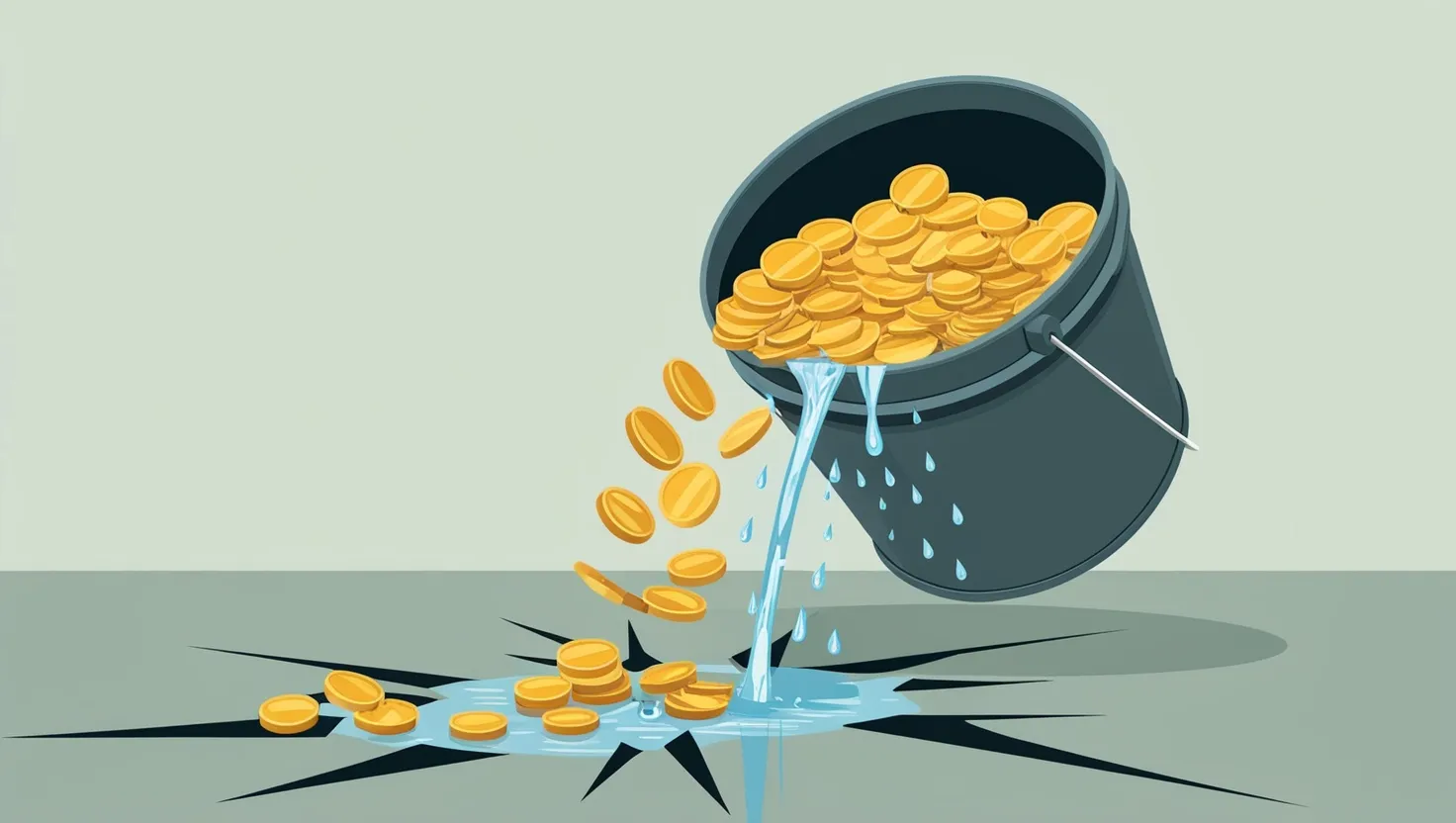
Think of it like a leaky bucket. If your bucket loses 5% of its water every month compared to another bucket losing 10%, you might think that’s not a big deal. But over a year, that difference compounds into something enormous. Companies have found that a mere 5% difference in churn can create a 25% gap in overall valuation. That is not a rounding error. That is the difference between a company being bought for millions versus being bought for pennies.
Here’s a question for you: if you ran a subscription business, would you rather have 1,000 new customers this month or keep 1,000 existing customers from leaving? Most founders chase the first option because it feels exciting. But keeping customers is where the real money hides.
Customer Acquisition Costs Are Quietly Eating Profits
Every subscription company loves to brag about growth. New customers, new signups, new downloads. But what they don’t advertise is how much they spent to get each person through the door.
In saturated markets, the cost to acquire a single customer can be shockingly high. Streaming services and apps are now fighting over the same small pool of people, and every ad, every influencer post, every free trial costs money. If you spend more to acquire a customer than that customer will ever pay you back, you are not building a business. You are building a very expensive hobby.
Peter Thiel wrote something sharp in Zero to One: “A company is custom-built to deliver a single output, repeatedly and at scale.” If your cost to get a customer rises faster than your profit from keeping them, no amount of scale will save you.
Deferred Revenue Can Trick You Into Feeling Rich
Let’s talk about something boring sounding but financially dangerous: deferred revenue. When someone pays you upfront for a yearly subscription, that money lands in your bank account immediately. It feels wonderful. But accounting rules say you can’t count all of it as earned income right away, because you still owe that customer eleven more months of service.
This creates a strange illusion. Cash in the bank looks great, but the real earned revenue trickles in slowly over time. Companies that forget this difference often spend money they haven’t actually earned yet. Then, when renewal time comes and some customers don’t renew, the cash flow gap hits like a truck.
Doesn’t that sound exactly like someone spending their whole paycheck on day one, forgetting that rent is due again next month?
Discounting Annual Plans Can Backfire Badly
Everyone loves offering “save 20% if you pay yearly.” It sounds generous. It boosts a metric called Annual Recurring Revenue, which investors love to see climb. But here’s the catch nobody talks about enough: when you discount too aggressively just to inflate that number, you are quietly shrinking your actual profit margin.
Imagine a gym offering a yearly membership at a huge discount just to show “look how many annual members we have.” Months later, the gym realizes it is making less money per member than before, while also dealing with higher usage from people who feel entitled since they paid upfront. It is a quiet trap dressed up as a growth win.
Warren Buffett once said, “Price is what you pay. Value is what you get.” Subscription companies would do well to remember that discounting too hard changes the price without truly changing the value delivered.
Infrastructure Costs Grow Faster Than You Expect
Here is one that catches software and streaming companies off guard constantly. As subscribers grow, companies assume the cost to serve each person stays the same or gets cheaper. Sometimes it does. But often, it does the opposite.
Streaming platforms face rising content licensing costs as they try to keep subscribers entertained with fresh shows and movies. Software companies face rising cloud computing bills as more users create more data, more storage needs, and more server strain. What looked like a cheap, scalable system suddenly becomes an expensive beast that eats margins alive.
Isn’t it strange how the very growth that investors cheer for can become the thing that quietly drains a company’s bank account?
Streaming Services Learned This the Hard Way
Look at how streaming platforms have had to raise prices repeatedly. It’s not because they suddenly became greedy. It’s because content costs kept climbing while subscriber growth slowed down. They were caught between rising expenses and a shrinking pool of new customers willing to sign up. This is a textbook case of infrastructure and content costs scaling faster than revenue.
SaaS Companies Face a Similar Squeeze
Software companies selling subscriptions deal with the same story but with a different costume. Cloud expenses, server costs, and data storage bills climb steadily as the user base grows. Many SaaS founders assumed more users would automatically mean more profit. Instead, some found their profit margins shrinking because their backend costs grew just as fast, sometimes faster, than their subscriber count.
So What Actually Works?
Here’s where it gets practical. Subscription businesses that survive downturns tend to share one habit: they look at unit economics every single month, not just once a year during a big meeting. They track cohort-level retention, meaning they study groups of customers who joined during the same month and watch how long that specific group sticks around.
This kind of tracking catches warning signs early. If customers who joined in March are leaving faster than customers who joined in January, that tells you something changed, maybe pricing, maybe product quality, maybe customer service. Catching that early means fixing it before it becomes a company-wide crisis.
Jim Collins, in his book Good to Great, talked about companies that “confront the brutal facts” while still keeping faith they will prevail. Subscription businesses that survive downturns are the ones willing to stare directly at their churn numbers and acquisition costs, even when those numbers are uncomfortable.
A Simple Way to Think About It
Picture two lemonade stands. One stand counts how many cups it sold today and celebrates loudly. The other stand tracks how many of yesterday’s customers came back today, how much it cost to convince each new customer to try the lemonade, and how much sugar and lemons it is burning through as it grows. Which stand do you think survives a rainy season better?
That is essentially the difference between subscription companies obsessed with top-line growth versus those obsessed with unit economics. The flashy one gets the headlines. The careful one gets the long-term survival.
One Last Thought
Subscription models promised predictable, beautiful recurring revenue. And it can be beautiful, when managed with honesty and discipline. But predictability is not the same as profitability. A business can have incredibly steady income and still be bleeding money quietly through churn, acquisition costs, deferred revenue illusions, reckless discounting, and rising infrastructure bills.
So here’s a final question to leave you with: if you were running a subscription business today, would you rather impress people with how many subscribers you have, or quietly build something that actually makes money five years from now? The companies that choose the second option are usually the ones still standing when the market gets rough.