From Refugee to Restaurateur: How Maya's Catering Business Bridges Cultures and Conquers Finance
Discover how a refugee's catering business bridges cultures and navigates finance. Learn about resilience, entrepreneurship, and community building through food. Read Maya's inspiring journey.
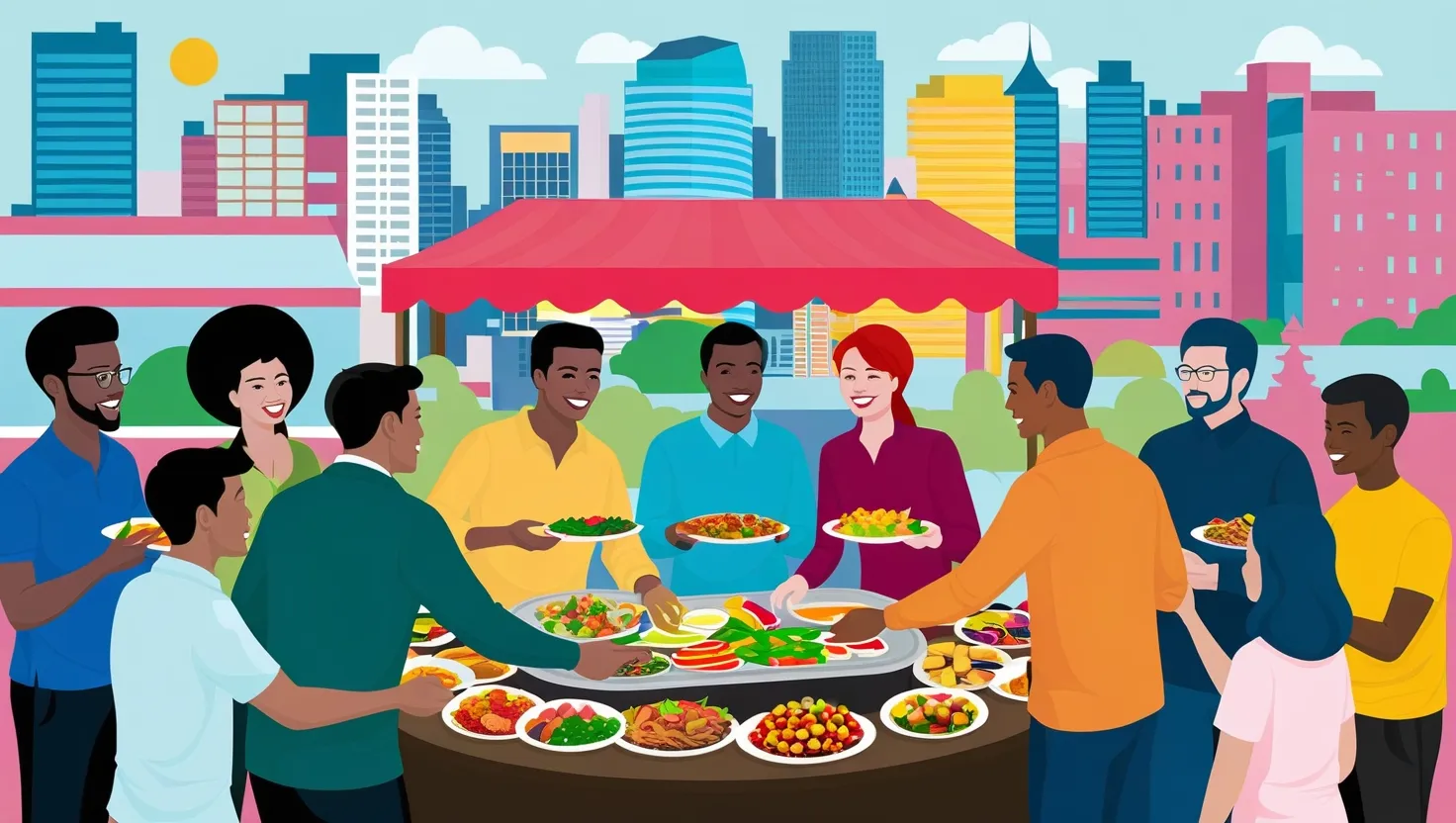
In the heart of a bustling city, a small catering business was born, not out of luxury, but out of necessity. Maya, a refugee from a war-torn country, found herself in a new land with limited resources but an abundance of determination. Her journey was not just about starting a business; it was about bridging two worlds through the universal language of food and the complex world of finance.
As Maya delved into the world of entrepreneurship, she faced challenges that many of us can only imagine. Pricing, for instance, was a delicate dance. She had to balance the cost of ingredients, which seemed to fluctuate with the whims of international markets, with the need to keep her prices competitive in a market where she was a stranger. Every decision was a gamble, every mistake a potential setback.
But Maya was no stranger to adversity. She had endured the unimaginable on her journey to this new land, and it was this resilience that made her an ideal entrepreneur. As she often said, “The greatest glory in living lies not in never falling, but in rising every time we fall” – a quote that echoed the words of Nelson Mandela.
One of the most significant hurdles Maya faced was the cultural barrier. Her dishes, though delicious, were unfamiliar to the local palate. She had to learn about the tastes and preferences of her new community, adapt her recipes, and find a way to make her food appealing without losing its authenticity. It was a balancing act that required patience, creativity, and a willingness to learn.
As she navigated these cultural waters, Maya also had to grapple with the intricacies of international trade and currency markets. Exchange rates, import duties, and the volatile nature of global markets were all new to her. Yet, she approached these challenges with the same curiosity and determination that had driven her to start her business in the first place.
“Knowledge is power,” Maya would say, reflecting on her journey. And indeed, it was her quest for knowledge that empowered her to overcome the obstacles she faced. She spent countless hours researching, attending workshops, and seeking advice from mentors who had walked similar paths.
Through her catering business, Maya began to bridge the gap between her community and the host community. Her food became a symbol of unity, a way to share stories and traditions. People from different backgrounds would gather around her tables, savoring the flavors of her homeland and learning about its culture.
But Maya’s impact went beyond the culinary realm. She was also learning about finance in a way that few people ever do. She understood that the value of money was not just a number but a reflection of economic stability, trade agreements, and global events. This knowledge allowed her to make informed decisions about her business, to anticipate market fluctuations, and to adapt her strategies accordingly.
As the business grew, so did Maya’s influence. She became a role model for other refugees who were considering entrepreneurship as a path to self-reliance. Her story was a testament to the power of resilience and the importance of community support.
“Alone we can do so little; together we can do so much,” Helen Keller once said. Maya’s journey was a living embodiment of these words. She was not alone in her struggles; she had a network of supporters who believed in her vision and were willing to help her achieve it.
But what about the financial challenges? How did Maya overcome the lack of access to traditional banking services, a common hurdle for many refugee entrepreneurs? She had to rely on alternative financing options, such as microloans and community-based funding initiatives. These resources were not only crucial for her business but also served as a lifeline for many others in similar situations.
Maya’s story raises important questions about the role of entrepreneurship in refugee integration. Can starting a business truly be a path to self-reliance for those who have been displaced? How can we support these entrepreneurs in overcoming the unique challenges they face?
The answers to these questions are complex and multifaceted. However, one thing is clear: entrepreneurship has the potential to transform lives. It provides a sense of purpose, a means of economic stability, and a way to contribute to the community.
As Maya’s business continued to thrive, she began to see the broader impact of her work. She was not just running a catering business; she was fostering cross-cultural understanding and economic growth. Her success was a beacon of hope for others, a reminder that even in the darkest times, there is always a way forward.
In the end, Maya’s journey was about more than just starting a business; it was about building a community. It was about using food and finance as tools to bridge gaps and foster understanding. And it was about the indomitable spirit of a woman who refused to let adversity define her.
As Maya often said, quoting the wise words of Mahatma Gandhi, “The future depends on what you do today.” For her, and for many others like her, the future is bright, filled with possibilities and promise. And it is through their stories that we are reminded of the transformative power of entrepreneurship and the resilience of the human spirit.