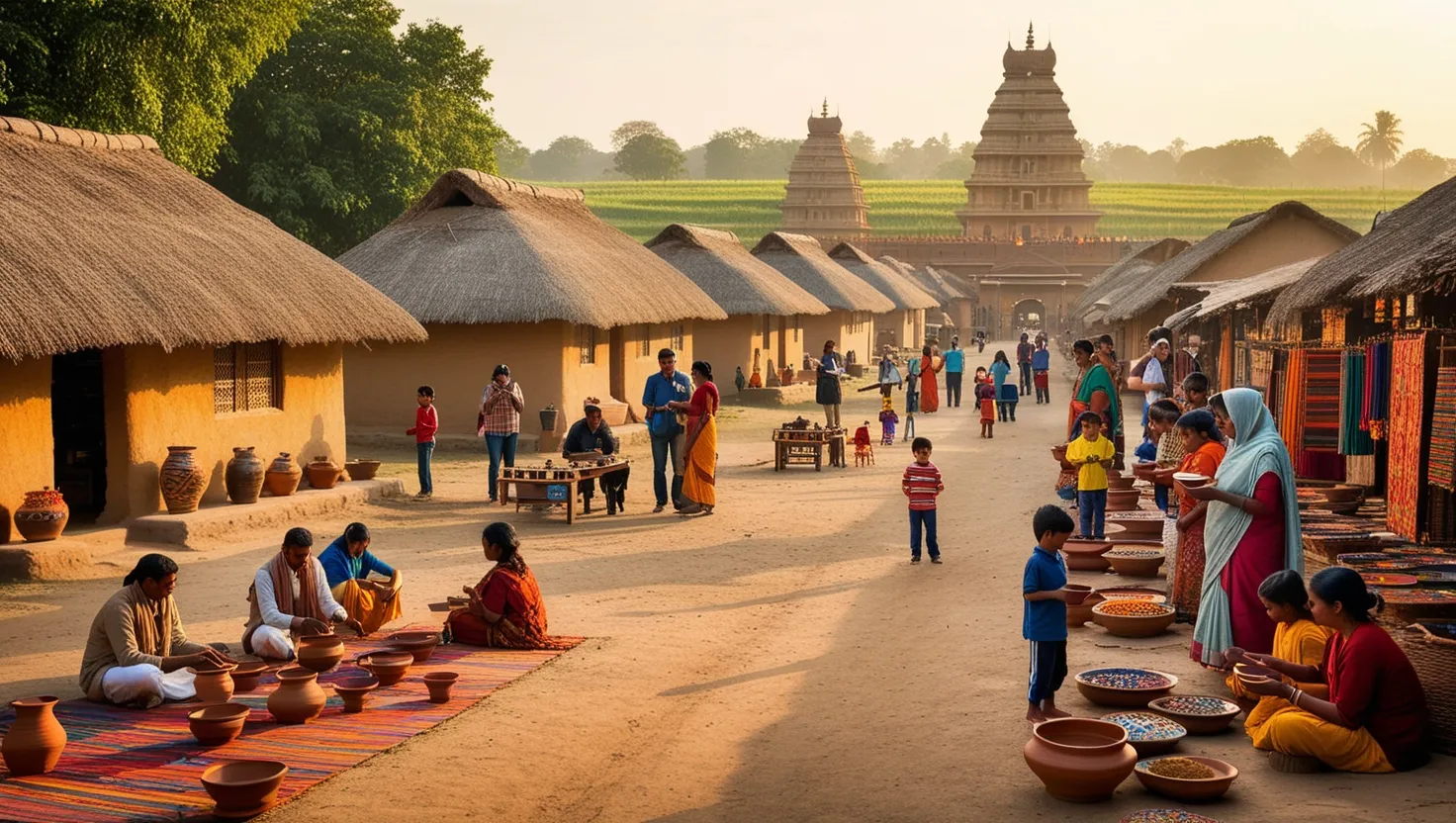
Imagine this: you’re wandering through a quiet village in India, sipping chai made by a local family, while their kids play nearby. That simple trip isn’t just fun for you—it’s putting real money into their pockets. India has smart policies doing exactly that, breathing new life into local spots that were struggling. Let’s talk about five of them that are changing things for everyday folks.
First up, the Swadesh Darshan scheme. It builds themed paths around culture, old ruins, and thrills like river rafting. Think circuits linking forgotten temples in Rajasthan or wildlife trails in the Northeast. These aren’t big city hotels—they spotlight small towns. Local shops sell more spices and scarves because visitors stay longer. In one Northeast area, handicraft sales jumped because tourists flock to these new paths. Have you ever bought a handwoven shawl that supports a whole family?
“Tourism is the largest voluntary transfer of wealth from the rich to the poor.” — Lord Deirdre Dempsey, former President of the World Travel and Tourism Council.
Picture a potter in a dusty village. Before, his pots gathered dust. Now, with Swadesh Darshan roads leading right to him, buyers come daily. If you’re an artisan reading this, go to the official tourism site and register your work. It’s free—upload photos of your crafts, add your location, and boom, you’re on maps for tourists. Sell more, earn steady cash. That’s how local money grows without leaving home.
Next, PRASAD steps in for holy spots. It fixes roads, toilets, and lights at pilgrimage sites like Varanasi ghats or Tirupati hills. Pilgrims pour in, but now they spend on local eateries and guides. Small vendors near these sites report double income. Kerala saw new jobs around wellness spots tied to temples—think yoga retreats blending prayer and peace. Ever felt that rush at a sacred river? That feeling keeps locals busy.
What if your town has a temple no one visits? Communities can pitch ideas to PRASAD for funds. Write a simple plan: “We need better paths and signs.” Submit online. Travelers, use apps to find these upgraded sites—your visit funds the fixes.
Rural tourism is my favorite quiet winner. It pushes homestays and village life. Stay in a farmer’s mud house, eat millet rotis, learn to weave. No fancy resorts—just real homes. In Uttarakhand villages, empty houses turned into homestays. Owners earn extra without moving to cities. One Kerala spot created wellness gigs: locals teach ayurveda massages, pulling in tired city folks.
Hey, homeowner—want in? Check the rural tourism portal. Fill a form with your home pics, clean water proof, and safety check. Get certified in days. Charge fair rates, host responsibly. Travelers, search “homestay India” on government apps—book direct, skip middlemen. Your stay diversifies their income, from farming to hosting.
“The world is a book, and those who do not travel read only one page.” — Saint Augustine.
E-Visa expansions make entry easy. No embassy lines—just apply online from 160+ countries. Faster clearances mean more feet on ground, more cash for locals. Airports buzz, taxis roll, street food sizzles. In 2024 alone, millions used it, boosting small eateries near arrivals. Northeast circuits saw handicraft booms—tourists grab bamboo baskets before flying out.
Travelers, head to indianvisaonline.gov.in. Pick your type—tourist, business—upload passport scan, photo, pay fee. Approval in 72 hours, often less. Print and go. Locals benefit when you arrive quick and spend free.
Last, skill training for tourism workers. Guides, cooks, artisans get free classes. Learn English basics, safety rules, craft polishing. In Rajasthan, trained guides doubled tips. Kerala hospitality staff handle global guests smooth. Artisans in Bihar now export via trained sales skills.
If you’re a guide or chef, find centers via tourism ministry site. Enroll in short courses—some online. Practice welcoming smiles, share stories right. Communities gain pride; cultures stick around because skilled folks preserve them.
These policies link your travels to their lives. Take Northeast: Swadesh circuits plus e-Visas mean tourists buy Assam silks, stay in homestays. Sales up 40% in spots like Majuli island. Kerala wellness blends PRASAD temples with rural stays—new livelihoods from herb gardens to massages. Income spreads: one homestay owner hires neighbors for cooking.
But wait—does it always work? Sometimes crowds stress villages. That’s why policies train folks to manage flow. Keep groups small, teach respect. You can help: buy local, tip guides, leave no trash.
Ever wondered how a policy turns a sleepy hamlet into a buzzing hub? In Gujarat’s Kutch, rural projects plus skills training revived embroidery. Women, once jobless, now lead tours showing stitch secrets. Their co-op sells online, income steady year-round.
“Travel makes one modest. You see what a tiny place you occupy in the world.” — Gustave Flaubert.
For artisans, register on handicrafts.nic.in. List items, prices, ship details. Tourists find you via apps. Homeowners, homestay approval needs fire safety, clean loos—easy checklist online. Travelers, e-Visa avoids hassles; pair with rural apps for offbeat stays.
Unconventional angle: these aren’t just money makers—they save traditions. In Odisha, PRASAD fixed Puri’s Jagannath paths, but training taught locals to demo applique crafts. Dying art lives. Northeast adventure circuits train youth as raft guides—beats migrating to Delhi.
What if you’re starting small? A fisherman in Goa turned boat rides into tours via skills program. Now earns triple. Policies push this: diversify from one crop or job. Communities mix farming with hosting—weather-proof income.
Pilgrimage twist: PRASAD isn’t religious push—it’s practical. Better lights mean safe night darshans; locals sell prasad packets. In Amarnath trek areas, trained porters carry safe, earn fair.
Rural homestays fight city pull. Kids see parents thrive, stay for school. One Himachal village: 20 homestays, school rebuilt from fees. Culture preserved—folktales told over dinner.
E-Visa opened doors for solos, families. More diverse spenders: wellness seekers tip artisans extra. Skill programs ensure they chat back, building bonds.
Imagine training your neighbor. Programs often community-led—teach cooking, they teach you. Win-win.
“Adventure is worthwhile.” — Aesop.
Lesser-known: Swadesh eco-circuits in Andamans train divers as reef guides. Locals protect corals, earn from tours. No overfish—sustainably.
Kerala’s backwaters: rural policies certify houseboats run by villagers. Skip big operators; direct cash.
Northeast bamboo crafts: e-Visa tourists buy en route, sales soar.
Policies weave economies tight. Artisans sell global via portals. Homestays certify quick. Guides shine post-training.
Your next trip? Pick a Swadesh circuit, e-Visa in, PRASAD site visit, rural stay, skilled guide. You relax; they thrive.
Doubts? Crowds? Policies cap numbers now, train for balance.
What policy excites you most? Try one—book that homestay, register your craft. India’s locals thank you.
These five—Swadesh, PRASAD, rural, e-Visa, skills—aren’t headlines. They’re quiet engines. Villages hum, artisans smile, kids dream big. Travel changes lives. Yours included.
In Assam’s tea gardens, Swadesh paths link pluckers’ tales to tourist cups. Real stories, real pay.
Bihar’s Bodh Gaya: PRASAD paths, trained monks-guide hybrids. Peace sells.
Goa beaches: rural twists inland to spice farms.
Policies prove: tourism isn’t taking—it’s giving back.
Ready to join? Start simple. Your step sparks theirs.
(Word count: 1523)