Tourism today is not just “coming back.” It is being rebuilt in new ways, often quietly, through policies that most travelers barely notice but feel at every step of a trip. When you pass through a border without filling forms, pay a small city fee at your hotel, see ads for lesser‑known towns instead of famous capitals, or read about cleaner aviation fuels, you are seeing this reset in motion. I want to walk you through five of the biggest policy shifts shaping that experience, in very simple language, and show how they connect to your wallet, your choices, and the future of travel.
“The world is a book, and those who do not travel read only one page.”
— Saint Augustine
First, let us talk about visas. For years, visas felt like a test you had to pass. Forms, bank statements, interviews, waiting. Now, many governments see visas less as walls and more as “volume knobs” they can turn up or down. When a country like Thailand extends visa‑free stays or makes it easier for digital nomads to stay months instead of days, it is not being kind out of pure generosity. It is doing math.
A short‑stay tourist might come for five days, stay in one hotel, and leave. A long‑stay visitor or remote worker might rent an apartment, buy groceries, join a gym, take weekend trips, and visit the dentist. They become part of the local economy, not just a guest. Which type would you want if your country depends heavily on tourism?
What is less known is how targeted these visa shifts are. Some countries quietly test friendlier rules on a few nationalities first, often those with high spending and low overstay risk. Some link visas to specific behaviors: you can stay longer if you work from co‑working spaces, enroll in a local course, or show proof of health insurance. Others use visas as levers to spread visitors out, offering easier entry if you land in a secondary airport or stay in under‑visited regions.
Another hidden angle: visas are becoming data tools. E‑visas collect information about who you are, why you travel, and how long you stay. Governments use this to design new policies: Do digital nomads really stay as long as expected? Do long‑stay visitors respect local rules? Do certain incentives actually increase spending in rural areas? Travel policy is starting to look less like guesswork and more like a continuous experiment.
While borders soften in some ways, cities and regions are getting tougher in others through what many call green tourism taxes. Think about a small historic city that receives cruise ships with thousands of people who flood in for four hours, take photos, strain public toilets, generate trash, and then leave without staying in hotels or eating full meals. The city cleans, repairs, maintains, and earns very little back. Does that feel fair?
“We do not inherit the Earth from our ancestors; we borrow it from our children.”
— Often attributed to Native American proverb
Visitor fees in places like Barcelona and Venice are one way to fix that imbalance. On the surface, it looks like just another tax. But look closer and you see several unusual details.
First, these fees are often earmarked. That means the money cannot just disappear into a general budget. It must go to things like cleaning historic sites, repairing old streets, improving public transport, or protecting beaches and parks. In some cities, this money funds extra workers who deal with trash and noise in tourist zones so that local residents are not left alone to handle the side effects of mass tourism.
Second, these fees are being used as “crowd buttons.” Instead of banning visitors when it gets too busy, some places raise the fee in peak season and lower it in off‑season. The idea is simple: if prices change with crowd levels, some people will choose quieter months. This spreads visitors more evenly over the year, which keeps jobs stable and reduces stress on fragile places.
Here is a question for you: would you change your travel dates to save money and avoid crowds if the fee clearly showed when the city is under pressure?
The most overlooked part of these taxes is trust. People are willing to pay extra if they see clear results. Some cities now show public dashboards with how much money came from visitor taxes and what projects it funded: new bike lanes, restored monuments, cleaner beaches. That transparency turns a fee from a source of anger into a visible contract between visitors and locals.
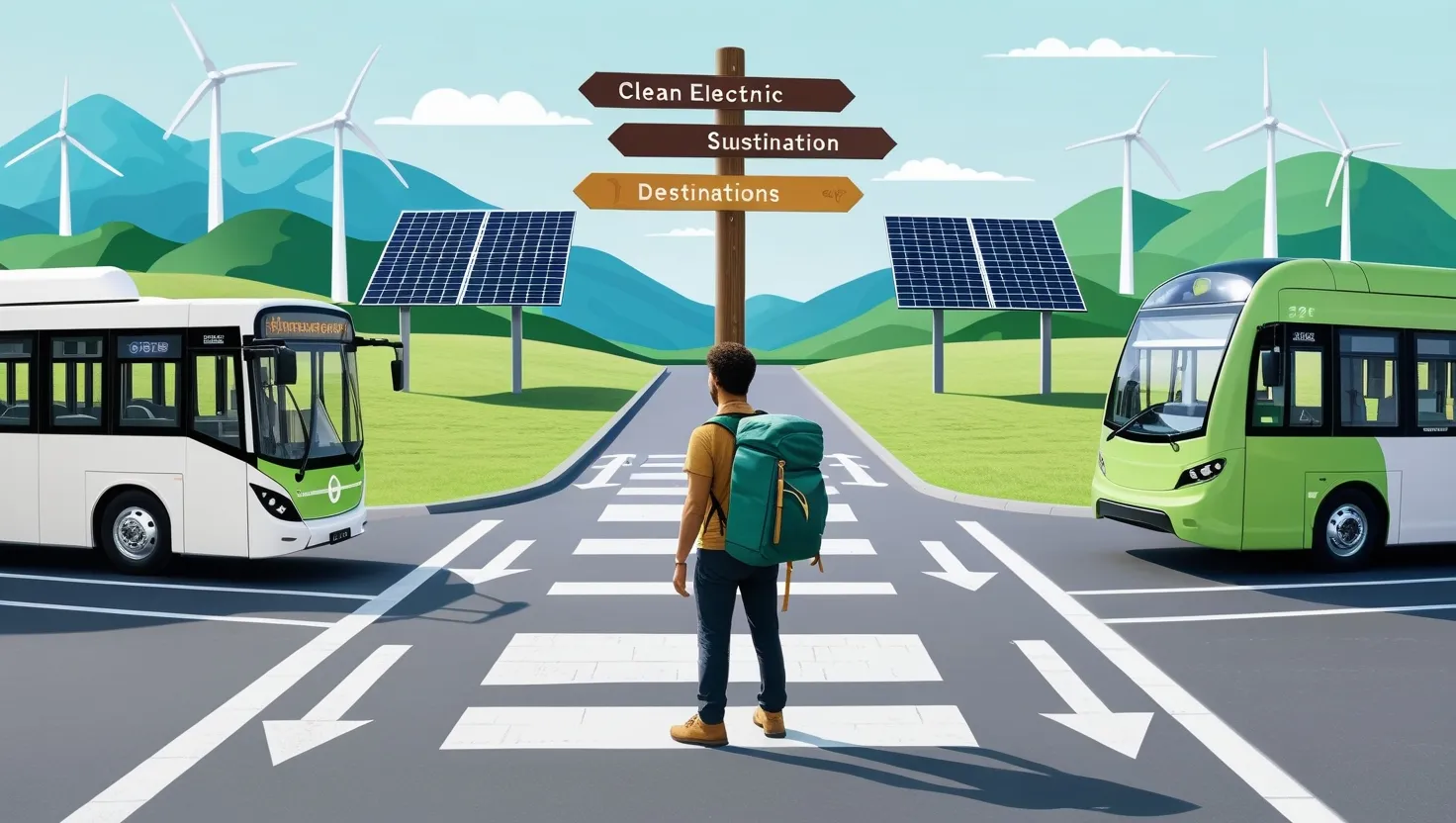
Now let us go up into the sky. Aviation feels like magic, but it runs on kerosene and produces a lot of emissions. For years, airlines tried to distract from this with soft measures: carbon offsets, tree‑planting slogans, and small fuel savings from lighter seats. The new push for sustainable aviation fuel, often called SAF, is more direct and far more disruptive.
SAF can be made from things like used cooking oil, waste, or special crops. It can cut emissions compared to normal jet fuel, but not without trade‑offs. It is more expensive, limited in supply, and not all types are equally climate‑friendly. That is why governments are now stepping in with quotas and rules, not just suggestions.
Here is what matters to you: when you hear that a country or region has mandated that airlines must use a certain share of SAF by a given year, it means flight prices are under pressure to rise unless other costs fall. But there is a twist many people miss: these rules often apply only to flights departing from certain airports. That means your ticket from one region to another might be more expensive than the return leg, simply because of where the SAF mandate applies.
“You must be the change you wish to see in the world.”
— Mahatma Gandhi
There is also a quiet competition between hubs. If one hub airport adopts strong SAF policies and builds production facilities nearby, it might attract airlines that want a “green” reputation. Another hub may lag behind and try to compete on lower prices instead. Over time, this can reshape which cities become global air gateways.
One more subtle effect: as climate rules tighten, very short flights that can be replaced by trains are under threat. Some countries are already limiting domestic flights on routes where trains are fast enough. This pushes investment into rail and changes how tourists plan multi‑city trips. Have you noticed more trip suggestions that combine flights for long legs and trains for short ones? That is not accidental; it lines up with both emissions goals and new rules.
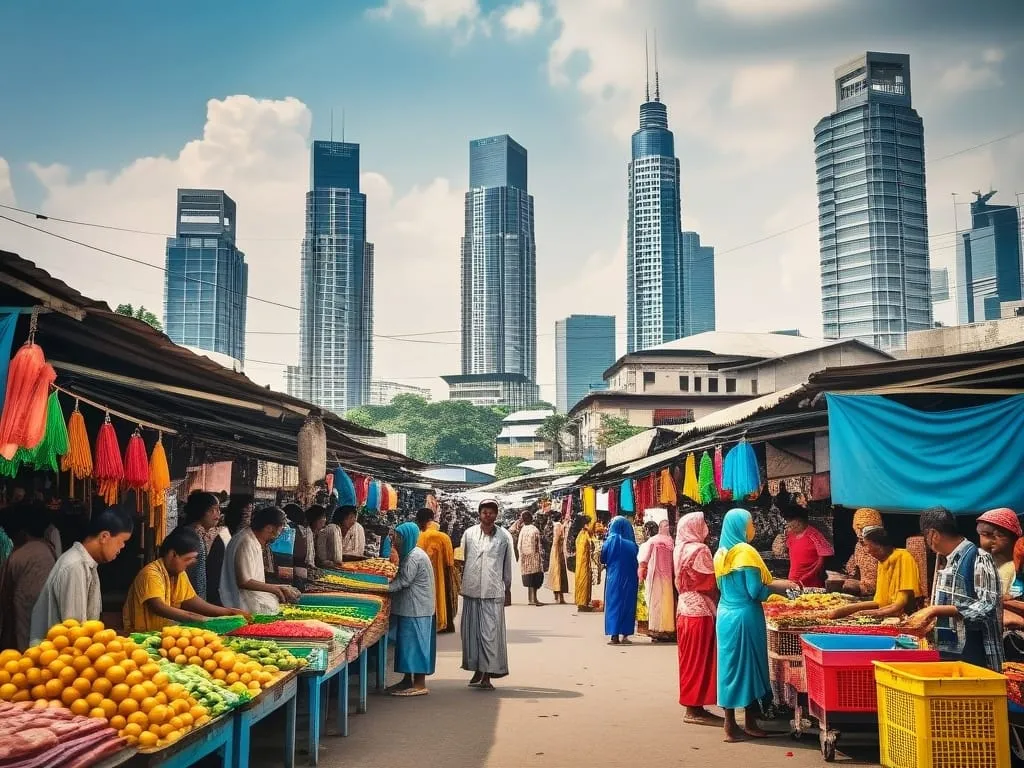
On the ground, the story of destination marketing is changing almost as much as the climate rules in the air. For decades, tourism boards used a simple formula: pick the most famous landmarks, show them in golden light, and repeat. This worked too well. Some cities ended up with so many visitors that locals felt pushed out of their own neighborhoods.
Now, the new question is: how do we share the benefits of tourism without crushing the same few places?
One answer is to promote secondary cities and lesser‑known regions. But here is what is rarely said: this is not just about fairness; it is about survival. When a country depends heavily on one or two hotspots, any crisis that hits those places—flooding, fire, geopolitical tension, a pandemic—hits the whole economy. By spreading visitors, governments are spreading risk.
For you as a traveler, this shows up as ads for small coastal towns instead of only the capital, train passes that highlight side routes, or campaigns that bundle a famous site with two or three nearby villages. Sometimes digital platforms are quietly guided to show these options higher in search results because tourism boards have new agreements with them.
Have you ever clicked on a trip suggestion to a city you had barely heard of, only because it was framed as “the calmer alternative” to a packed hotspot? That is policy in action, wrapped as inspiration.
There is also a cultural side. When marketing shifts from “sun and sand” to “local crafts,” “food heritage,” or “community experiences,” it changes who shows up. Mass party crowds may be less interested. People who care about local culture, slower trips, and meaningful contact with residents become the main audience. In simple words: you attract different behavior by showing different images.
“Take only memories, leave only footprints.”
— Often attributed to Chief Seattle
Finally, let us talk about something you rarely see but that may decide if your favorite place survives the next shock: resilience funds. The pandemic showed how fragile tourism‑heavy economies can be. When planes stopped and borders closed, entire islands and regions lost most of their income almost overnight. Some recovered; others are still struggling.
Resilience funds are like savings accounts built for bad days, but with rules. Countries like Fiji, and many others watching closely, are creating funds that grow during good years and pay out when crises hit. The money can support workers, keep small businesses afloat, repair damaged sites after storms, or help airlines and hotels adapt quickly.
Here is the less obvious part: how these funds are filled and used shapes behavior long before a crisis. If the fund is built partly from tourism taxes or visa fees, then visitors are quietly contributing to future safety nets. If payouts are tied to certain standards—like having sustainable practices or good worker protections—then businesses suddenly have a reason to meet those standards even when times are good.
Imagine two small guesthouses on a tropical island. One keeps records, treats staff fairly, and follows basic environmental rules. The other cuts corners and has no paperwork. When a cyclone hits and the resilience fund opens, which one will find it easier to claim support? Over time, these rules push the entire sector toward more formal, responsible behavior without needing constant inspections.
Let me put all five policy shifts together so you see the pattern.
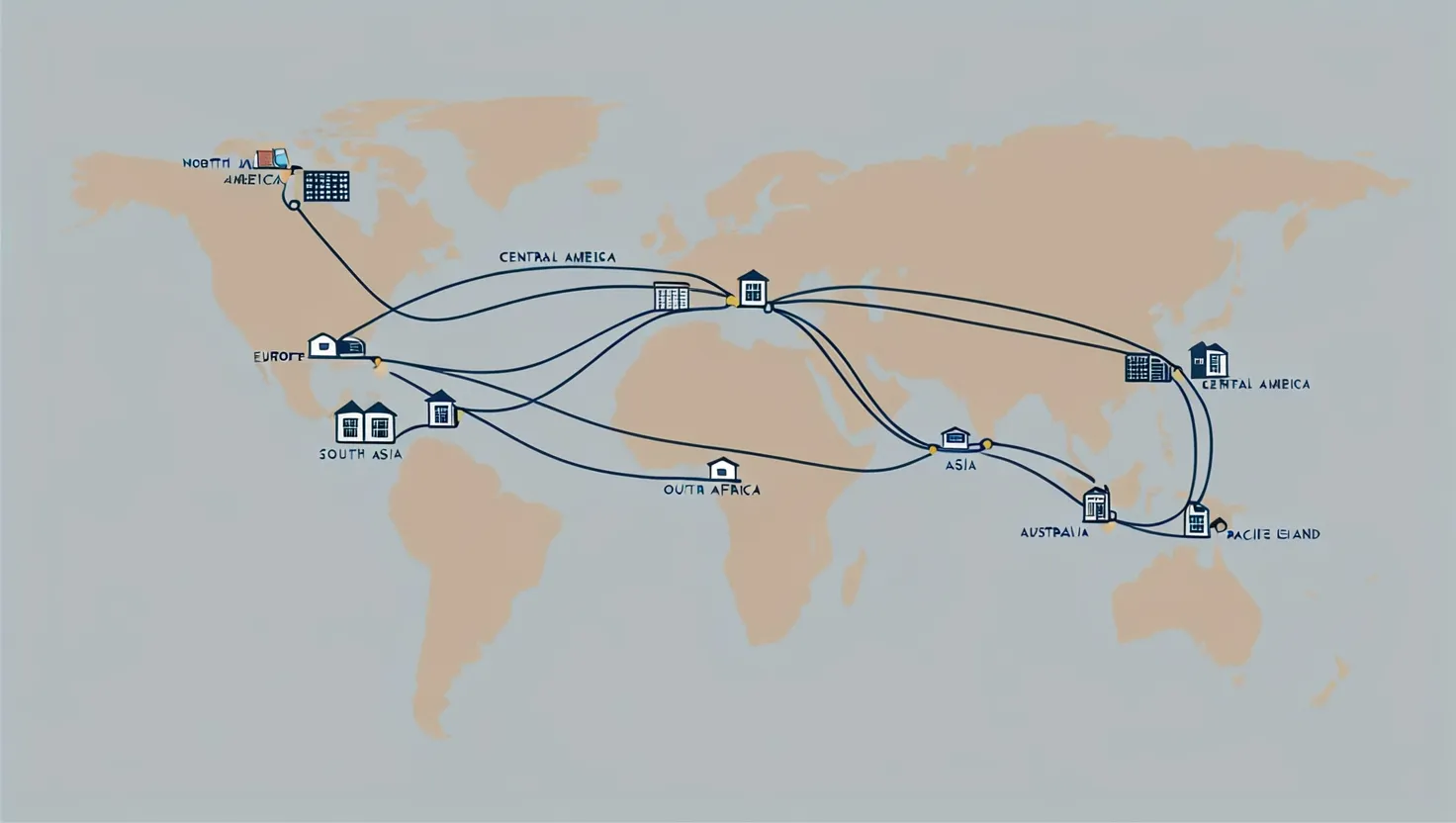
Visa changes are shaping who comes and for how long. Green tourism taxes are shaping how impacts and benefits are shared. Aviation fuel rules are shaping how we move and at what climate cost. Destination marketing shifts are shaping where visitors go and what kind of travelers feel invited. Resilience funds are shaping how long destinations can survive and recover from shocks.
Do you notice something? None of these are only about “getting back to 2019 numbers.” They are about control, balance, and long‑term health.
“In the middle of difficulty lies opportunity.”
— Albert Einstein
There are also trade‑offs and hard questions that are not always discussed openly.
If visas become easier for higher‑spending visitors but not for low‑budget travelers, does travel become more exclusive?
If green taxes and SAF rules raise costs, will some people be priced out of long‑haul trips, while richer travelers continue as before?
If secondary cities suddenly become popular, will they repeat the mistakes of the old hotspots, or can they learn from them?
If resilience funds save tourism jobs today, will that slow down efforts to diversify economies beyond tourism tomorrow?
There are no simple answers, but as a traveler, you are not powerless. Your choices and questions matter. When you book, you can ask: Where does this city fee go? Is this airline investing in cleaner fuels or just using soft language? Is this “hidden gem” ready for more visitors, or is it already struggling with housing or water use?
You do not need a degree in policy to ask basic things: Who wins here? Who loses? What happens if this place gets twice as many visitors as today?
Tourism employs roughly one in ten people worldwide. That is not just hotel staff and flight crews. It includes farmers who sell to restaurants, craft makers, taxi drivers, translators, guides, event workers, and many others. When policies change, these lives change. When visas, taxes, fuel rules, marketing, and funds are designed with care, tourism can keep those jobs while reducing harm to nature and local life.
“We travel not to escape life, but for life not to escape us.”
— Often attributed to Anonymous
So, next time you travel and notice that the visa form was easier, the hotel added a small city tax, your flight email mentions cleaner fuel, the ad suggests a quieter town, or you read about a disaster fund helping a region reopen, remember: this is part of a bigger shift.
You and I are not just passengers. With every ticket, every choice of season, every question we ask, we are casting a tiny vote for what kind of tourism system survives. The real change in global travel is not only in higher visitor numbers, but in how carefully those numbers are managed.
And if someone tells you tourism is just “back to normal,” you now know that, behind the scenes, the rulebook is being rewritten—one visa, one tax, one fuel rule, one campaign, and one fund at a time.