Investing in Low-Volatility Stocks: How to Make Steady Gains with Less Risk!
Low-volatility investing focuses on stable stocks, offering steady gains with less risk. It outperforms in downturns, provides long-term growth, and offers a balanced approach to building wealth with reduced stress.
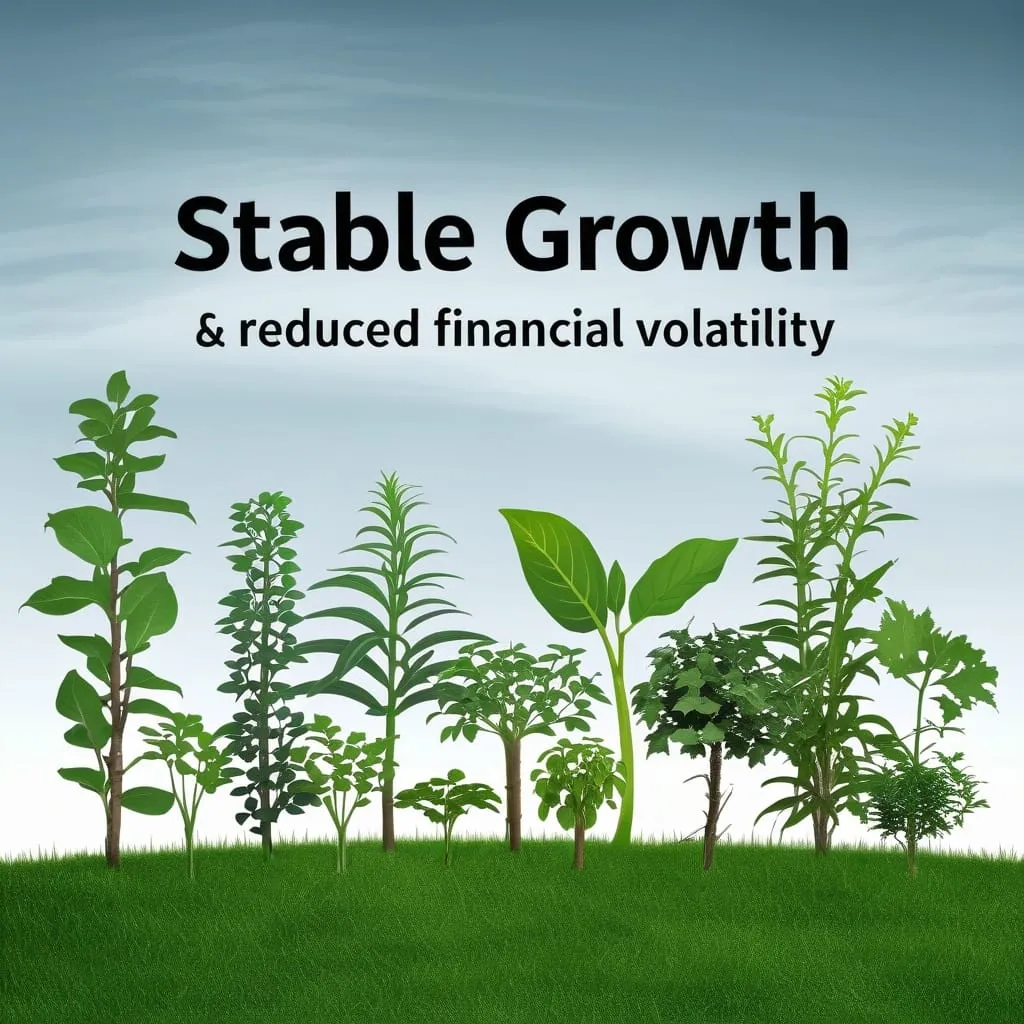
Steady Gains, Less Stress: The Power of Low-Volatility Investing
Investing can feel like a rollercoaster ride, especially when markets go wild. But what if there was a way to smooth out those ups and downs while still getting solid returns? Enter low-volatility investing, a strategy that's been gaining fans for its ability to deliver steady gains with less nail-biting stress.
So what's the deal with low-volatility investing? It's pretty simple: you focus on stocks that don't swing as wildly as the overall market. These are the steady Eddies of the stock world, the ones that tend to keep their cool when everyone else is losing their heads.
Now, you might be thinking, "Doesn't less risk mean less reward?" Surprisingly, that's not always the case. There's this weird thing called the "low-volatility anomaly" where these calmer stocks often perform just as well as (or even better than) their more volatile cousins over the long haul. It's like finding out that the tortoise not only beats the hare but does it without breaking a sweat.
Let's take a trip down memory lane to see how this plays out in real life. Remember the 2008 financial crisis? While most stocks were taking a nosedive, low-volatility stocks were like, "Nah, we're good." They still took a hit, sure, but not nearly as bad as the rest of the market. It's like they had their own little parachute while everyone else was in free fall.
So how do you spot these low-volatility gems? It's not just about picking the slowest movers. You want to look for companies that are solid as a rock, with steady cash flow, good returns on their assets, and a history of paying dividends. Think of it like choosing a life partner – you want someone reliable, not just someone who looks good on paper.
Here's a cool trick: imagine you've got a traditional investment mix of 60% stocks and 40% bonds. Now, swap out those regular stocks for low-volatility ones. Boom! You've just cranked up your potential returns while dialing down the risk. It's like upgrading your car to get better mileage and a smoother ride at the same time.
But here's where it gets really interesting. When the market takes a nosedive (and let's face it, it always does at some point), low-volatility stocks really shine. They're like the friend who stays calm in a crisis while everyone else is panicking. During the five biggest market meltdowns since 1991, portfolios with low-volatility stocks held up way better than the broader market. We're talking about losing 1% to 12% less, depending on how bad things got. That's the difference between a bad day and a catastrophe.
Now, I know what you're thinking. "This sounds great, but what's the catch?" Well, there is one tiny downside. When the market is on a tear, like a bull running wild, low-volatility stocks might not keep up. They're more like the tortoise than the hare, remember? But here's the thing – over time, they often end up in the same place or even ahead, and they do it without giving you a heart attack along the way.
Let's get personal for a second. Imagine you're the kind of person who likes to sleep well at night, knowing your money is working for you but not taking crazy risks. Low-volatility investing is like having a financial security blanket. It's not about getting rich quick; it's about building wealth steadily and surely.
Think of it like growing a garden. You could try to grow exotic plants that might give you amazing blooms but could also die at the first frost. Or you could plant sturdy perennials that come back year after year, giving you a beautiful, reliable garden. Low-volatility investing is like choosing those perennials. They might not be the showiest plants in the garden, but they'll be there, growing steadily, season after season.
One cool thing about this strategy is that it's not just set-it-and-forget-it. Smart investors and fund managers are always tweaking their low-volatility portfolios, looking for the best mix of stocks to keep things steady but still growing. It's like having a skilled gardener who knows just when to prune, fertilize, and replant to keep your garden thriving.
But here's a pro tip: when you're picking low-volatility stocks, don't get stuck in one corner of the market. Some strategies end up loading up on utilities and consumer staples because they tend to be less volatile. But that's like only eating vegetables – sure, they're good for you, but you're missing out on a balanced diet. A smart low-volatility strategy spreads the love across different sectors, so you're not putting all your eggs in one basket.
Let's talk numbers for a second (don't worry, I'll keep it simple). Over several decades, a portfolio using the least volatile 60% of the biggest U.S. stocks beat the S&P 500 Index by 226 basis points. That's finance-speak for "it did better by more than 2%." And it did this while being less risky. It's like winning a race while jogging instead of sprinting.
Now, you might be wondering, "Is this just a fad?" Nope. Low-volatility investing has been around for a while, and it's based on solid research and real-world results. It's not about chasing the latest hot stock or trying to time the market. It's about playing the long game, steady and sure.
Think about it this way: when the market's going crazy, wouldn't you rather be in stocks that keep their cool? It's like being the calm person in a room full of panicked people. While others are selling in a frenzy, you can sit back, relax, and know that your investments are designed to weather the storm.
But let's be real – no investment strategy is perfect. Low-volatility investing isn't going to make you rich overnight. It's not about hitting home runs; it's about consistently getting on base. If you're looking for huge, quick gains, this might not be your style. But if you're in it for the long haul and value steady growth and peace of mind, then low-volatility investing could be your new best friend.
Here's another way to look at it: imagine you're planning a road trip. You could choose a sports car that goes super fast but guzzles gas and might break down. Or you could pick a reliable sedan that gets good mileage and rarely needs repairs. Low-volatility investing is like choosing that sedan. You might not turn heads at the gas station, but you're much more likely to reach your destination without any major hiccups.
In the end, investing in low-volatility stocks is about finding that sweet spot between risk and reward. It's about building a portfolio that can stand up to market storms while still giving you the growth you need to reach your financial goals. It's not flashy, it's not exciting, but it works.
So, if you're tired of the market roller coaster and want a smoother ride to financial success, give low-volatility investing a look. It might just be the strategy that helps you sleep better at night while your money grows steadily day by day. After all, in the world of investing, sometimes the tortoise really does win the race.