Mastering the Financial Zeitgeist: Cultural Trends Shaping Smart Investment Strategies
When we talk about investment strategies, we often focus on numbers, trends, and market analysis. However, there's a more nuanced approach that blends cultural analysis with financial strategy, an approach that can be illustrated through the concept of the 'financial zeitgeist.'
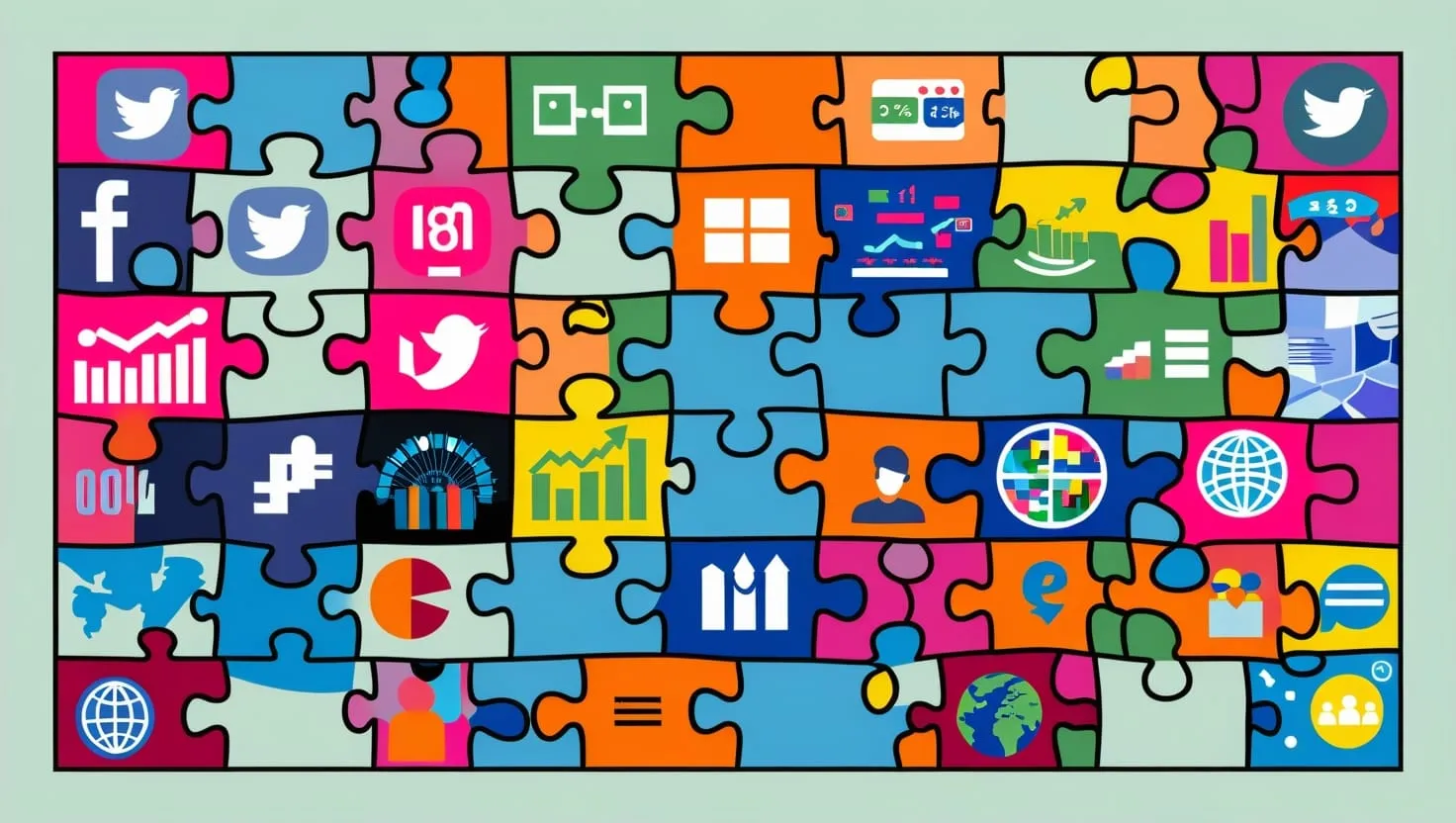
When we talk about investment strategies, we often focus on numbers, trends, and market analysis. However, there's a more nuanced approach that blends cultural analysis with financial strategy, an approach that can be illustrated through the concept of the "financial zeitgeist."
Let's start with a relatable narrative. Consider the story of Vikram, an actor who rose to stardom in Tamil cinema during a time of significant cultural and financial shifts. In the early 2000s, Vikram's films were breaking box-office records, while other big stars were struggling. This phenomenon wasn't just about individual talent; it reflected broader cultural trends and societal shifts. For instance, Vikram's decision to take on diverse roles, from action heroes to complex characters, resonated with an audience looking for something new and different. This shift in consumer preference had a direct impact on the financial success of his films.
This interconnectedness of cultural trends, societal shifts, and financial markets offers a fresh perspective on investment analysis. It suggests that investors should look beyond traditional financial metrics and consider the broader cultural landscape. For example, the rise of sustainable living has created new investment opportunities in green technologies and eco-friendly products. Similarly, the shift to remote work has boosted the demand for digital communication tools and home office equipment.
The impact of social media on stock prices is another area where cultural trends meet financial strategy. Social media movements can rapidly influence consumer behavior and, consequently, stock prices. For instance, a viral social media campaign can suddenly make a company's stock soar or plummet. This emphasizes the need for real-time monitoring and quick adaptability in modern investing.
Demographic changes also play a significant role in shaping investment landscapes. As populations age or younger generations come of age, their spending habits and preferences can significantly impact various industries. For example, the aging population in many countries has led to increased investment in healthcare and retirement services. On the other hand, the rise of Generation Z has driven growth in e-sports and gaming industries.
Global events, too, have a profound impact on consumer spending patterns and investment opportunities. During economic downturns or times of political instability, consumer behavior can change dramatically. For instance, during the COVID-19 pandemic, there was a surge in investment in remote health services, online education, and home delivery services.
The traditional, static approach to investment analysis is no longer sufficient in today's dynamic world. Investors need to adopt a more culturally aware method of financial analysis. This involves staying attuned to societal shifts, cultural trends, and global events. It's about understanding that the financial market is not isolated from the broader societal context.
This blend of sociology, trend forecasting, and finance makes for a compelling narrative that can appeal to a wide range of readers. It's not just about numbers; it's about understanding the people and the world around us. For example, the rise of e-sports has created new investment opportunities in gaming hardware, streaming services, and even real estate around e-sports arenas.
To navigate this complex and rapidly changing economic landscape, modern investors need a unique set of skills and knowledge. They must be able to identify emerging trends and understand their financial implications. This involves being curious about cultural shifts, staying updated on global events, and having the ability to adapt quickly to new information.
In practical terms, this means investors should be constantly learning and updating their knowledge. They should follow social media trends, read about demographic changes, and stay informed about global events. For instance, if you noticed the early signs of the remote work trend, you could have invested in companies that provide digital communication tools or home office equipment, potentially reaping significant returns.
The financial zeitgeist is not just a concept; it's a reality that shapes our investment decisions every day. By understanding this concept, we can make more informed, dynamic, and culturally aware investment choices. It's about recognizing that the world is interconnected and that financial markets are influenced by a myriad of factors beyond just economic indicators.
In conclusion, the intersection of culture and economics offers a rich terrain for investment analysis. By blending cultural analysis with financial strategy, we can uncover new opportunities, mitigate risks, and navigate the complexities of the modern economic landscape. This approach is not just about making money; it's about understanding the world we live in and how it shapes our financial decisions. As investors, we must be ready to adapt, to learn, and to see the world through a lens that combines sociology, trend forecasting, and finance. Only then can we truly navigate the ever-changing financial zeitgeist.