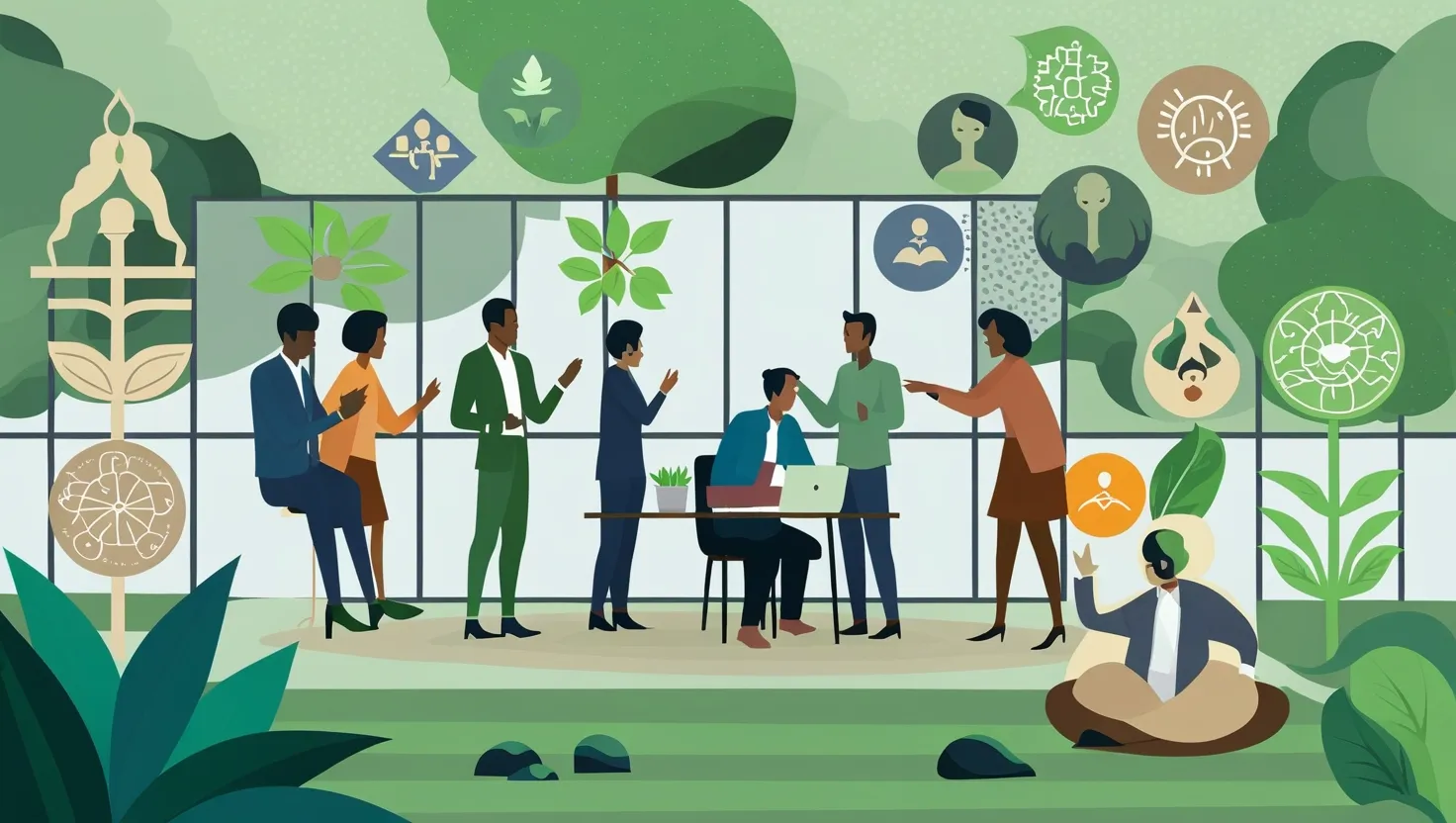
The Conflict Resolution Blueprint - How Top Leaders Turn Disputes Into Opportunities
Leaders transform conflicts into growth opportunities by listening actively, showing empathy, and collaborating on solutions. They dig deep, apologize when needed, and follow up, turning challenges into chances for stronger relationships and innovation.

Turning Conflicts into Opportunities: A Leader's Guide
Conflicts are a natural part of life, whether in our personal relationships or at work. But what separates great leaders from the rest is their ability to see these conflicts not as roadblocks, but as chances to grow and strengthen connections. Let's dive into how top leaders tackle conflicts and turn them into positive experiences.
First things first, understanding why the conflict started is key. It's like being a detective – you've got to ask the right questions to get to the bottom of things. "When did you start feeling upset?" or "How did this all begin?" These simple questions can reveal a lot. Maybe it's just a small issue that's blown up over time, or perhaps there's a bigger misunderstanding at play.
Now, here's where many people go wrong – they hear, but they don't listen. Real listening is an art. It's about picking up on the emotions behind the words. You know those little "uh-huhs" and "I see" that people say? They're actually super important. They show you're paying attention and encourage the other person to keep talking.
And let's talk about empathy for a sec. It's not just a buzzword; it's a powerful tool. When you say something like, "I can see how upset you are," you're not just acknowledging their feelings – you're creating a safe space for them to open up.
Sometimes, what seems like a simple argument is just the tip of the iceberg. There might be old wounds or past issues bubbling under the surface. A good leader digs deeper. They ask questions that help uncover the real problem. This is especially important in close relationships where old hurts can linger.
When it comes to finding solutions, teamwork is the name of the game. Instead of pointing fingers, great leaders get everyone involved in brainstorming solutions. It's like saying, "We're in this together, so let's figure it out together." This approach makes everyone feel valued and heard.
Now, here's something that takes guts but works wonders – apologizing. It doesn't mean you're taking all the blame. It's more about owning your part in the situation. Saying something like, "I was too harsh when I spoke to you" can be a game-changer. It shows you're human and willing to admit when you've messed up.
Sometimes, conflicts are about ongoing issues that seem impossible to solve. Maybe it's just different personalities clashing. The trick here isn't to try and change people but to find a way to work together despite the differences. It's about moving from constantly arguing to having real conversations where you can agree to disagree respectfully.
In the workplace, how conflicts are handled should match the company's values. If a company talks big about respect and teamwork, that should show in how they deal with conflicts. It's not just about what's written in the employee handbook; it's about living those values every day.
Leaders set the tone for how conflicts are handled. When they approach problems with openness and respect, it rubs off on everyone else. It creates an environment where people feel safe bringing up issues because they know they'll be dealt with fairly.
After a conflict's been sorted, the work's not over. Following up is crucial. It's like checking in to make sure the solution is actually working. In a work setting, this might mean having a chat with the employees involved to see if things have improved or if there are any new issues popping up.
Sometimes, conflicts are too big or complex for managers to handle alone. That's where HR comes in. Good leaders know when it's time to bring in the experts, especially when dealing with tricky issues like diversity or inclusion. By giving HR the full picture, they can ensure the conflict is resolved in a way that's fair and in line with company policies.
Here's the thing – conflicts don't have to be negative. They can actually be opportunities for growth. A disagreement over a policy could lead to a bigger conversation about company values and how to put them into practice. It's about turning a potential negative into a definite positive.
In the end, being good at resolving conflicts is a superpower for leaders. It's not just about putting out fires; it's about building stronger relationships and creating a positive environment. Whether you're dealing with a spat between coworkers or a disagreement with your partner, these strategies can help turn conflicts into chances for everyone to learn and grow.
Remember, conflicts are going to happen. That's just life. But how we handle them – that's what really matters. By approaching conflicts with understanding, empathy, and a willingness to work together, we can turn them from problems into opportunities. It's not always easy, but it's always worth it. After all, some of the strongest relationships and most innovative solutions come from working through conflicts together.
So next time you're faced with a conflict, take a deep breath and remember – this could be the start of something great. It's a chance to understand each other better, to grow as individuals and as a team. With the right approach, you might just find that what started as a disagreement ends up bringing you closer together and making you stronger than ever.