The Power of Habit: How Your Brain's Hidden Loops Control Everything You Do
Discover how habit loops shape your behavior and learn science-backed strategies to rewire bad habits for good. Start building lasting change today.
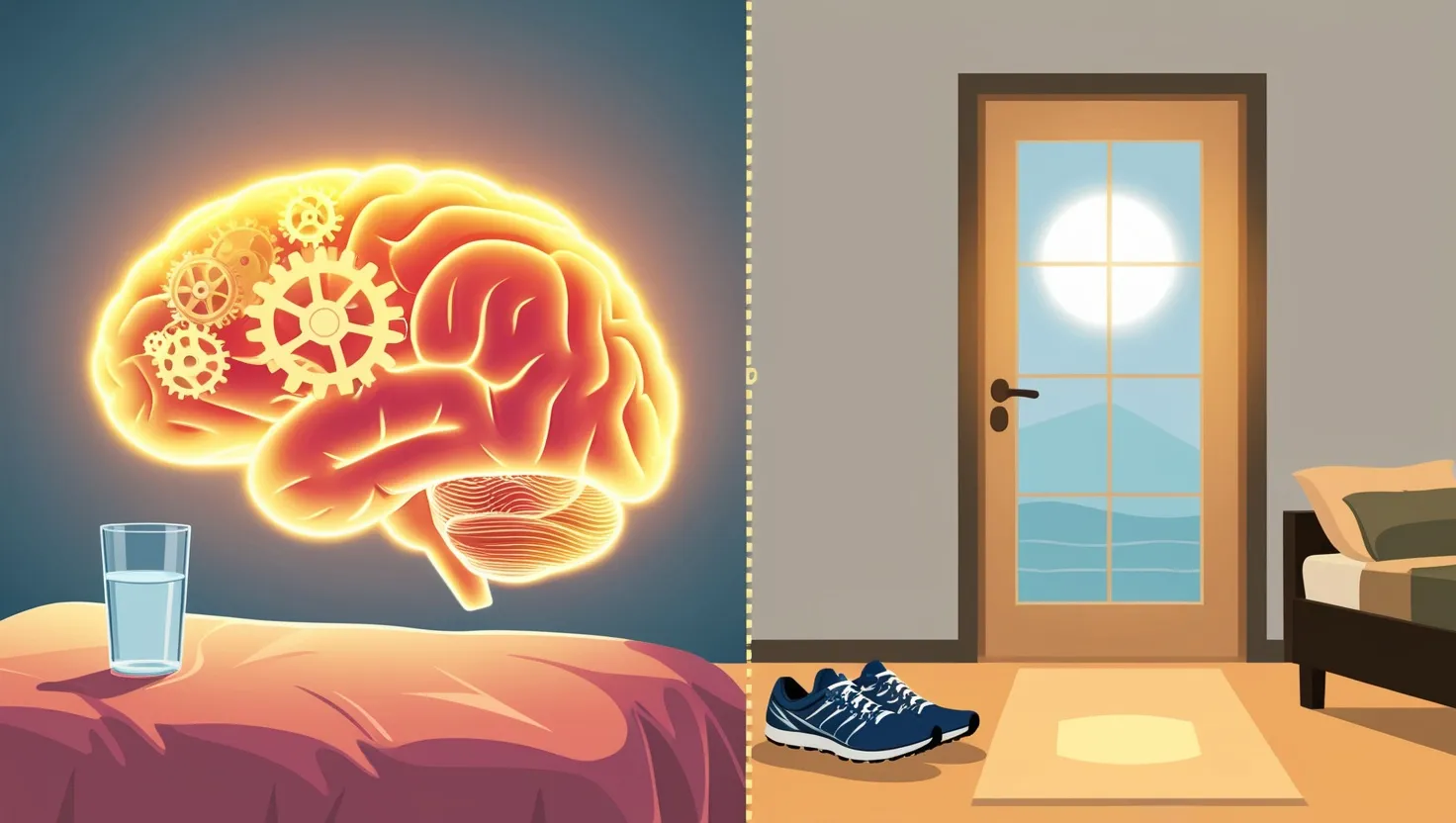
Your brain is lazy. Not in a bad way — it is just designed to save energy. Every time you repeat a behavior, your brain quietly files it away as an automatic response, so it doesn’t have to think too hard next time. This is how you can brush your teeth while thinking about your grocery list. It’s also how you end up eating an entire bag of chips without realizing it.
Charles Duhigg spent years studying this automatic behavior, and what he found changes how you think about yourself. His book, The Power of Habit, breaks down something most people never bother to examine: why you do what you do, and more importantly, how you can actually change it without relying purely on willpower.
Here’s the thing about willpower — it runs out. Researchers have shown that the more decisions you make in a day, the worse your later decisions become. Judges give harsher sentences before lunch. Shoppers make impulsive purchases late in the afternoon. Willpower is a finite resource, and habits are your brain’s way of conserving it.
So instead of fighting your brain, what if you learned to work with it?
“Habits are powerful, but delicate. They can emerge outside our consciousness, or can be deliberately designed. They often occur without our permission, but can be reshaped by fiddling with their parts.” — Charles Duhigg
The Habit Loop: Your Brain’s Hidden Operating System
Every single habit you have — good or bad — runs on a three-part loop. A cue triggers a routine, and a routine produces a reward. That’s it. Three parts. Once you see it, you cannot unsee it.
Think about your morning coffee. The cue might be waking up. The routine is making and drinking the coffee. The reward is the caffeine hit, the warmth, the quiet ritual of it. Your brain loves this loop because it knows exactly what to expect. Predictability feels good to the brain.
Now ask yourself — what habits are running on autopilot in your life right now that you’ve never actually chosen?
Most people assume bad habits are personality flaws. They blame themselves. “I’m just lazy.” “I have no self-control.” But Duhigg’s research points to something far more interesting: most of what you call your personality is actually just a collection of loops your brain built over time. And loops can be rewired.
The first step is mapping one unwanted habit. Just one. Pick something small — checking your phone when you’re bored, reaching for sugar when you’re stressed, scrolling through social media when you should be sleeping. Write down three things: what triggers it, what you actually do, and what feeling you get at the end. Not what you think you should get — what you actually get.
Most people skip this step because it feels too simple. Don’t. Awareness is genuinely powerful here. When you name the loop, it stops being invisible. And habits only have power when they’re invisible.
“The brain has this incredible ability to find patterns in the world and make them automatic. This is how we learn to walk, talk, and drive — and also how we pick up our worst tendencies.” — Daniel Kahneman
You Can’t Kill a Habit. You Can Only Swap It.
This is the part that surprises most people. You can’t just stop a bad habit. The brain doesn’t work that way. Once a neural pathway is formed, it doesn’t disappear — it just becomes dormant. This is why people who quit smoking for ten years can pick it back up during a stressful moment. The loop was never deleted. It was just quiet.
What Duhigg calls the “Golden Rule of Habit Change” is this: keep the cue, keep the reward, but change the routine in the middle.
If you eat junk food every afternoon at 3 PM (the cue is the time, the reward is a break from boredom), you don’t try to fight the craving. You replace the action. Maybe you take a five-minute walk. Maybe you make tea. Maybe you do twenty jumping jacks. The reward — a mental break — stays the same. Only the path to it changes.
This works because your brain already trusts the loop. You’re not asking it to abandon something familiar. You’re just redirecting the middle part.
Does this feel too simple? That’s actually the point.
The reason most habit-change attempts fail is that people try to do too much at once. They want to overhaul their diet, start exercising, meditate, read more, and sleep better — all in January. The brain sees this as a threat to its efficiency and resists. Change one routine at a time, tied to an existing cue and an existing reward, and your brain has a much easier time accepting it.
A few things to be careful about: the reward has to genuinely match what you were craving. If stress is your cue and emotional numbness is your actual reward, substituting a glass of water won’t cut it. You have to be honest about what feeling you’re really chasing. That honesty is uncomfortable, but it’s where the real work happens.
“We are what we repeatedly do. Excellence, then, is not an act, but a habit.” — Aristotle
The Surprisingly Powerful Effect of One Small Habit
Duhigg uncovered something that most self-help writing ignores completely: not all habits are created equal. Some habits, when changed, trigger a chain reaction across your entire life. He calls these keystone habits.
Exercise is the most researched example. When people start exercising regularly — even just a 20-minute walk — they start eating better without being told to. They sleep better. They feel more patient with their kids. They spend less impulsively. Nobody told them to do any of that. It happened because one habit shifted the foundation everything else sits on.
Making your bed in the morning is another one. It sounds absurdly minor, but studies show people who make their beds report higher productivity and a greater sense of wellbeing throughout the day. The action itself takes 90 seconds. The effect ripples all day.
Why does this happen? Because keystone habits create a sense of small, daily victory. That feeling of “I did the thing I said I’d do” changes how you see yourself. And how you see yourself changes every other decision you make.
Here’s a practical way to think about it: what is the smallest habit that would make you feel like a person who has their life together? Not a big habit. A tiny one. Five-minute journaling. A glass of water before coffee. A brief planning session at the start of your workday. Find that one thing and do it consistently for thirty days.
You won’t just build that habit. You’ll start building a different identity.
“Motivation is what gets you started. Habit is what keeps you going.” — Jim Ryun
What habit in your life right now is quietly shaping all your other choices?
Most people wait for motivation to change. They think they’ll start when they feel ready, when things calm down, when they have more time. But motivation is a feeling, and feelings come and go. Habit loops, once built, don’t require you to feel anything. They just run.
This is actually good news. You don’t need to feel inspired to build a better life. You need to identify your loops, swap the routines that are hurting you, and find the one keystone habit that pulls everything else into better shape.
Your brain already knows how to do this. It’s been doing it your whole life — mostly without your input. The only difference now is that you know the mechanism. And once you know how the machine works, you can stop being operated by it and start operating it yourself.
Start small. Start today. Map one habit loop before you go to sleep tonight. That single act of awareness is already the beginning of the change.