What the BRICS Expansion Means for Global Stock Market Flows
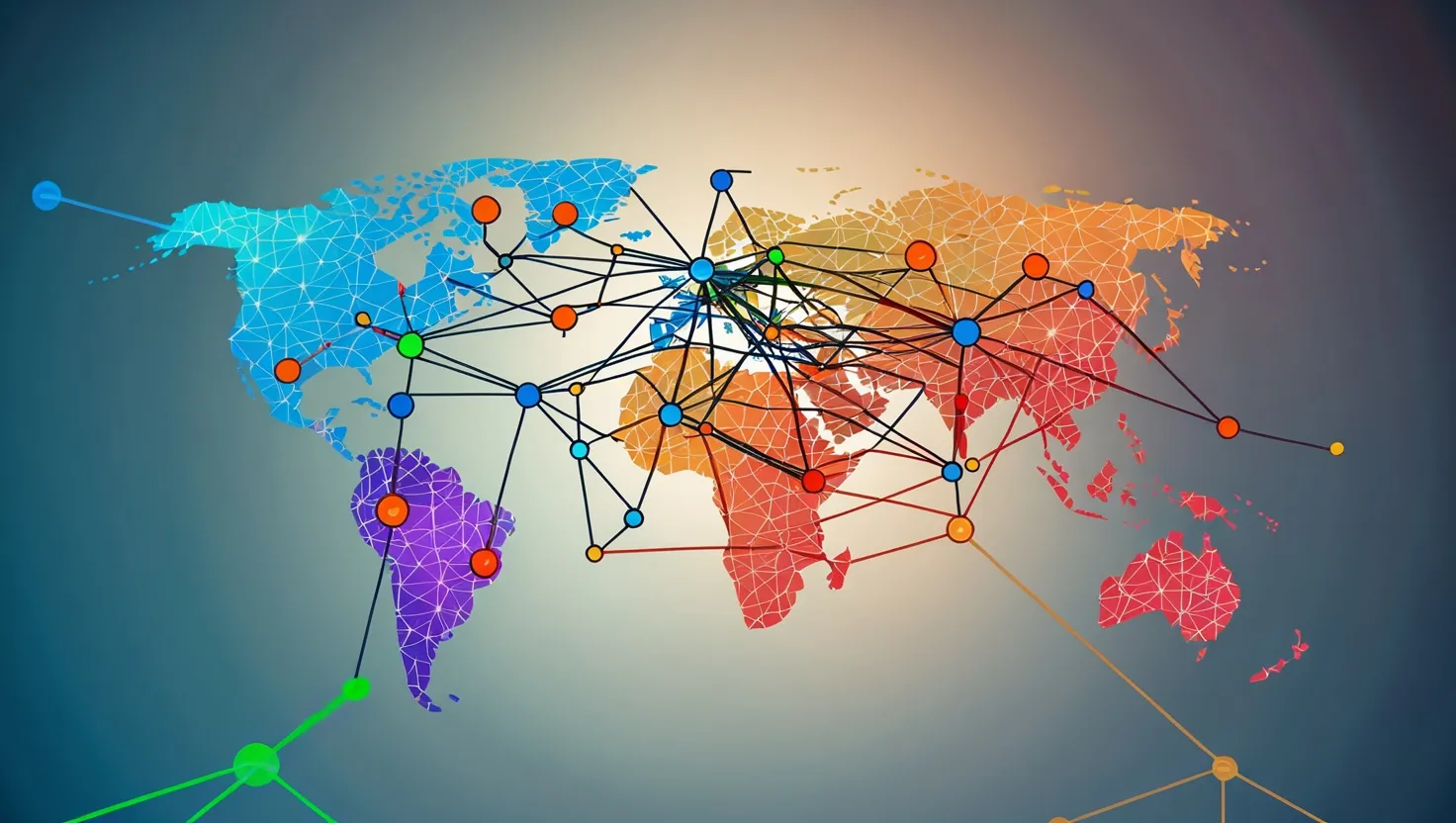
BRICS expansion challenges dollar dominance, reshapes global trade. New members boost economic influence. Opportunities in emerging markets, local currencies. Investors face volatility, adapt to shifting power dynamics. Sustainability focus attracts responsible investments.
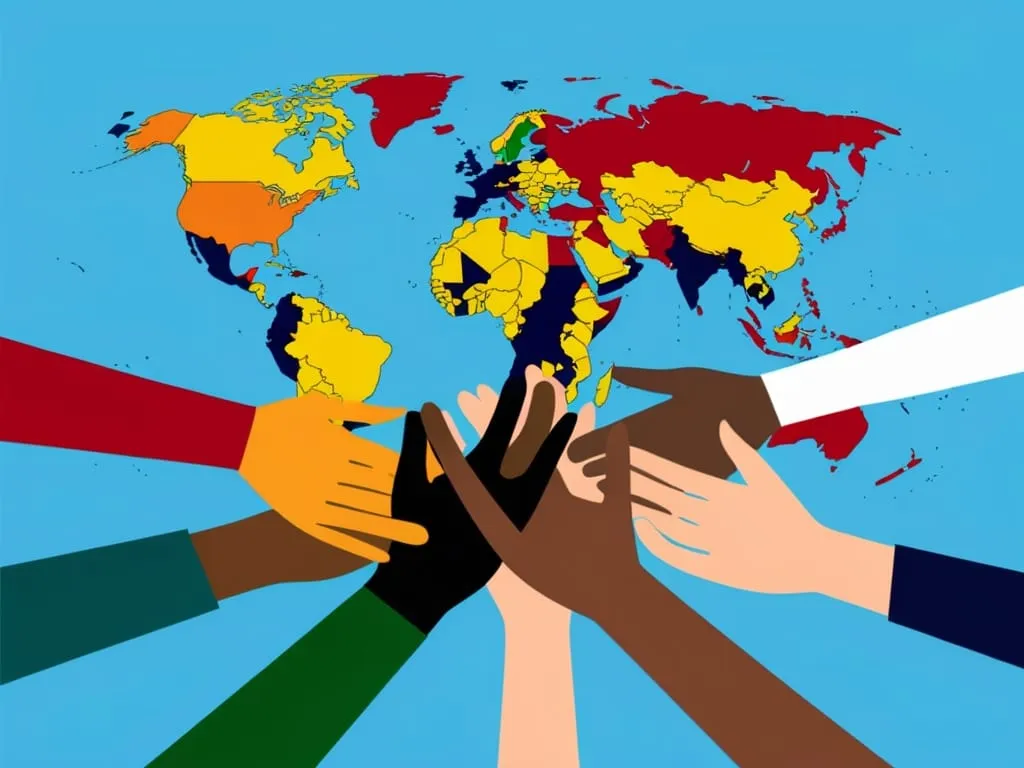
As I delve into the recent expansion of the BRICS bloc, it's hard not to feel a mix of excitement and curiosity about what this means for global stock market flows. The addition of six new members – Saudi Arabia, Argentina, Egypt, Ethiopia, Iran, and the United Arab Emirates – marks a significant shift in the global economic landscape.
First off, let's put some numbers into perspective. The expanded BRICS group now represents about 45% of the world's population and contributes around 36% to global GDP. This is a substantial chunk, especially when you consider that China alone accounts for about 65% of the BRICS' GDP. This economic heft is not just a statistic; it translates into real influence on global markets.
One of the most intriguing aspects of the BRICS expansion is its potential to challenge the dominance of the U.S. dollar. For decades, the dollar has been the go-to currency for international trade, offering the U.S. significant economic and political leverage. However, BRICS nations are now pushing to conduct trade in their local currencies, a move that could significantly reconfigure global trade dynamics.
Imagine a scenario where instead of using the U.S. dollar, countries start trading in Chinese renminbi, Indian rupees, or Brazilian reals. This shift could lead to greater volatility in the Treasury market, affect exchange rates, and even influence inflation. It's a bold move, and one that Russia's President Vladimir Putin has been particularly vocal about, given the economic sanctions imposed on Russia.
At the heart of this strategy is the New Development Bank (NDB), established by the BRICS nations as an alternative to Western lenders like the World Bank and IMF. The NDB has been making waves by issuing bonds in local currencies, such as the Indian rupee, and planning to do the same in other countries. This diversification away from the dollar is a clear signal that the BRICS are serious about reducing their dependence on Western financial systems.
But what does this mean for investors? For one, it creates a more complex and dynamic environment. As the BRICS nations grow in influence, traditional powerhouses like the U.S. and the European Union will have to adapt to new realities. This could lead to both opportunities and challenges.
For instance, the rise of the BRICS could lead to new investment opportunities in emerging markets. Countries like India and China are not just growing economically; they are also making significant strides in technology and innovation. India's stock market capitalization has risen dramatically, from 78.89% of its GDP in 2014 to 96.51% in 2020. This kind of growth can be very appealing to investors looking for high returns.
However, there are also challenges to consider. The shift away from the U.S. dollar could lead to greater volatility in financial markets. Rising U.S. Treasury yields, for example, have already started to impact risk-on assets like stocks and Bitcoin. As the BRICS nations continue to grow, we might see more fluctuations in the market.
Another key aspect is the strength of the small and medium-sized enterprises (SMEs) sector within BRICS countries. In Brazil, for example, early-stage entrepreneurial activity has been robust, with around 20% of the population involved in new businesses. This entrepreneurial spirit is a foundation for innovation and productivity, which can drive economic growth and attract investors.
China's policy stability and adaptability are also noteworthy. The country's ability to implement digital transformation and manage public finances effectively has contributed significantly to its economic dynamism. The effectiveness of public-private partnerships in China has been particularly impressive, advancing from 5.87 out of 10 in 2017 to 7.59 in 2023. This kind of stability and innovation can make China an attractive destination for foreign investment.
The BRICS expansion also highlights the importance of bilateral economic cooperation and triangular transactions. These countries are looking to promote and secure sales and procurement markets, including financing solutions for infrastructure projects. This cooperation can lead to more stable and predictable trade flows, which is good news for investors.
In addition, the BRICS nations are focusing on environmental sustainability, which is becoming a critical factor for investors. India, for instance, has increased its contribution to environment-related technologies and its share of renewable energies. This commitment to sustainability can attract investors who are increasingly looking for environmentally responsible investments.
As an investor, navigating this new landscape requires staying nimble. Understanding the geopolitical, economic, and regulatory changes will be crucial. For example, the rise of artificial intelligence (AI) stocks, particularly in countries like the U.S. and China, has been remarkable. Companies like NVIDIA have been top performers, and this trend is likely to continue as AI becomes more integral to various industries.
In conclusion, the BRICS expansion is more than just a numbers game; it represents a fundamental shift in global economic power dynamics. As these nations continue to grow and influence global markets, investors will need to be adaptable and informed. Whether it's the potential challenge to the U.S. dollar's dominance, the rise of new investment opportunities in emerging markets, or the focus on sustainability and innovation, the BRICS expansion is certainly something to watch closely.
For those of us following global finance, this is an exciting time. The BRICS nations are not just emerging; they are evolving into major players on the world stage. As we navigate these changes, it's important to keep an eye on the lesser-known facts and unconventional angles that could shape the future of global stock market flows. Whether you're an investor or just someone curious about the global economy, the BRICS expansion is a story worth following.