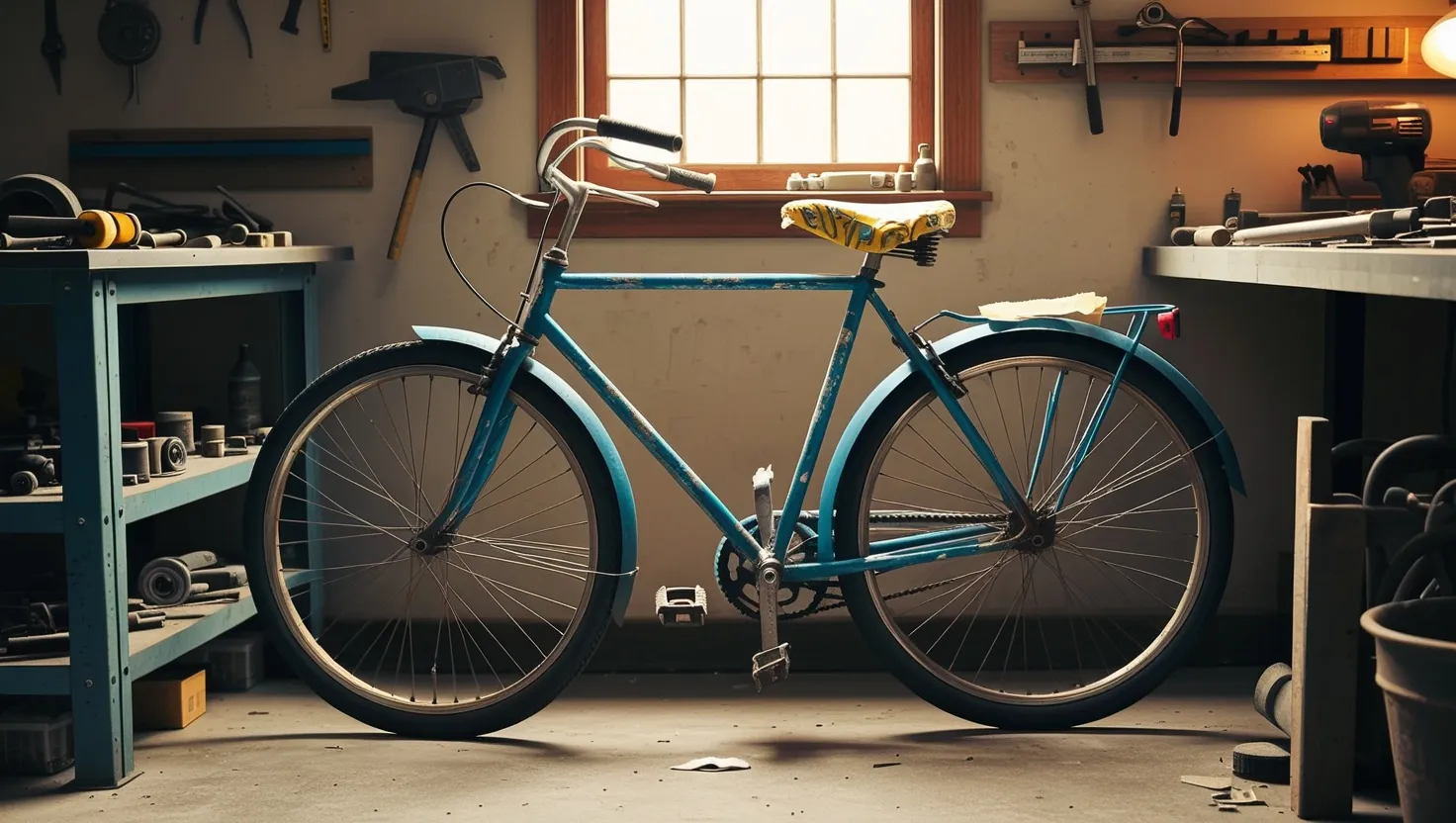
Picture this: an old blue bike in the corner of a small garage.
The paint is chipped. The seat has duct tape scars. The bell rings only if you hit it at a strange angle.
The father loves it. The son loves it even more.
This is the bike that carried the father to school when he was a kid. It is the bike that carried the son on his first wobbly ride without training wheels. It has memories built into every scratch.
So when the chain starts slipping, the brakes squeal, and the wheels wobble, what do they do?
They try to fix it. Of course they do.
They spend a Saturday changing the chain. The next month, they replace the brakes. Then a new tire. Then new pedals. Then the gear shifter. Each small fix feels simple. Each cost feels easy to justify.
“Why throw it away? We’ve already fixed so much,” the father says.
Have you ever said something like that to yourself?
A dress you rarely wear but keep because it was expensive.
A subscription you “might” use again one day.
A business idea you drag along even though it drains you.
This is where the story of the bike becomes more than just a family moment. It becomes a lesson about money, emotion, and something many people never learn clearly: the sunk cost fallacy.
“Beware of spending too much energy defending your past decisions instead of making good new ones.”
Let me walk you through this as if we are sitting together in that garage with the father and son, looking at that bike.
They are standing there with a receipt for the latest repair. The mechanic has just said, “To fix everything properly now, it will cost almost as much as a brand-new bike.”
The father freezes a bit. The son looks confused.
“How can we get a new one? We’ve already spent so much on this one,” the father thinks.
That one sentence is the trap.
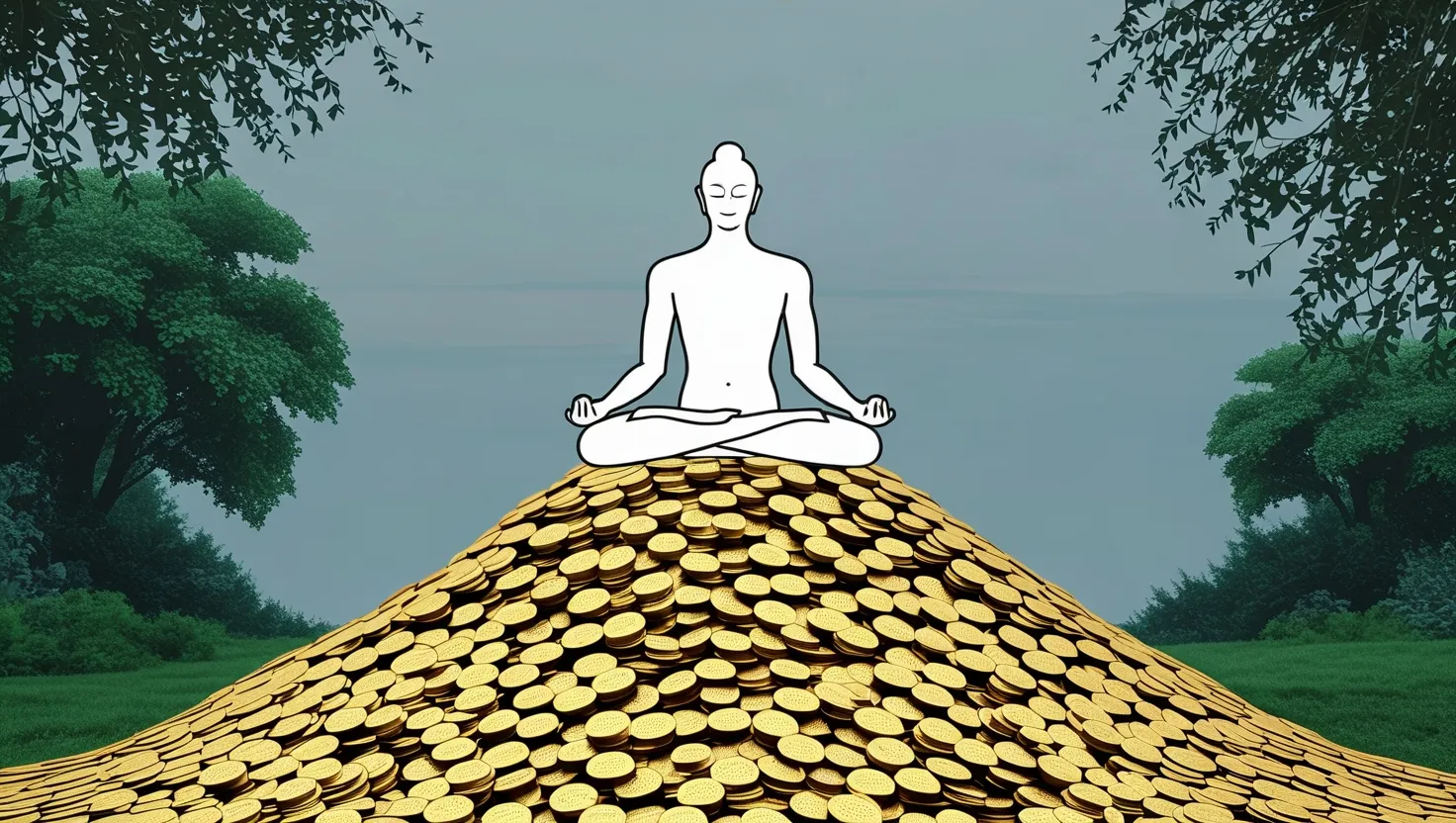
The money they already spent is gone. It will never come back, whether they keep fixing the bike or not. That past money is what we call a sunk cost. It is “sunk” because you cannot get it back, no matter what you do next.
But our brains hate this idea.
We feel that if we stop now, we “wasted” the money. We feel if we walk away, we are admitting we were wrong before. Does that sound familiar?
Maybe you stayed in a relationship that made you unhappy because you had “already spent three years together.”
Maybe you stayed at a job you hated because you had “already invested so much time in this career.”
Maybe you kept putting money into a failing project because you had “already put in too much to quit now.”
The father in our story is doing the same thing with the bike.
“The wise man bridges the gap by laying the plank of courage between where he is and where he wants to be.” – unknown
So what should he do?
To understand, I want you to ask yourself one simple question. It works for almost every decision:
“If I had no history with this bike, no past repairs, and I was making this decision for the first time today, what would I choose?”
Would he still choose to pour money into an old, shaky bike that keeps breaking?
Or would he choose a safer, more reliable new bike for his son?
When we ask this kind of question, we cut the chain that ties us to our past spending. We stop letting old decisions control new ones.
The father, standing with his son, slowly gets this. He looks at the list of repairs. He adds them up in his head. It is more than the price of a new bike. The son is watching him carefully, trying to read his face.
“Dad,” the boy asks, “why don’t we just get a new bike? We can keep this one in the garage to look at.”
The son, without knowing big words, is thinking more clearly than many adults.
He is separating memory from money.
He is keeping the feelings, but not forcing the wallet to keep suffering.
Sometimes the simplest view is the clearest, right?
“In the end, we only regret the chances we didn’t take.” – Lewis Carroll
Let me say this in the most basic way possible:
Past costs are gone.
They are not a reason to make a bad choice today.
Yet this simple truth is hard to live by because our emotions sit on top of our logic. The old bike is not just metal. It is family history. It is pride. It is the father’s childhood. It is the son’s first win without training wheels.
So when someone says, “Let it go,” it feels as if they are saying, “None of that mattered.”
But that is not what the sunk cost idea says.
The sunk cost idea says:
“Your memories matter. Your money already spent does not matter for the next step.”
It does not ask you to delete the past. It asks you to stop letting the past control the future.
Now think about your own life.
Is there a “bike” you are still fixing?
Maybe it is not a bike. Maybe it is a side business that never makes profit but you keep paying for tools and ads.
Maybe it is a fancy course you bought but hate, yet you force yourself to continue just because you paid for it.
Maybe it is a streaming service you barely watch but keep because “maybe one day…”
Can you name one thing like that right now?
If you can, you are already ahead of many people. Most people never pause long enough to see how often they fall into this pattern.
“It’s not what you look at that matters, it’s what you see.” – Henry David Thoreau
Let’s go back to the father and son.
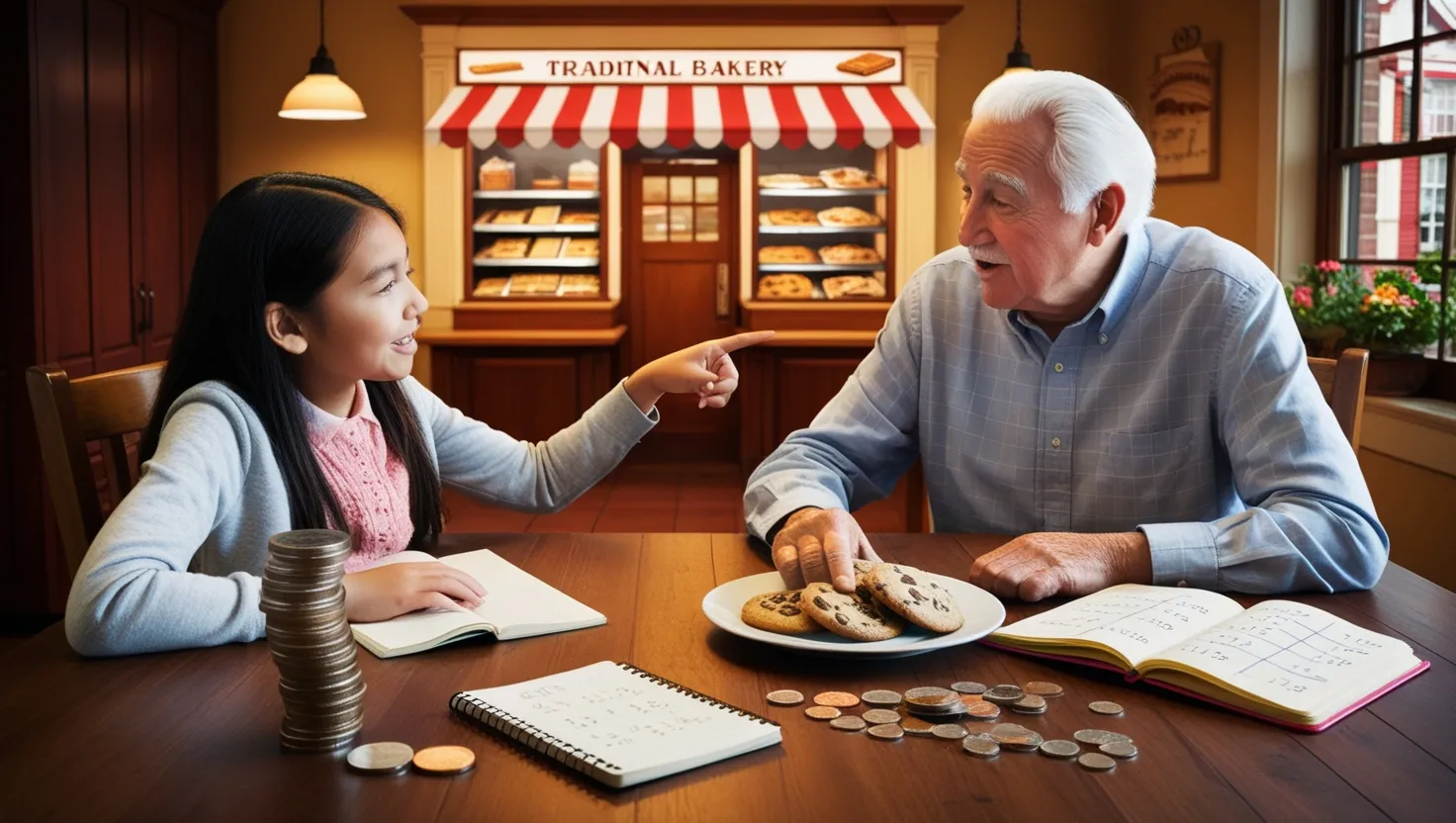
They go home. The father takes out his notebook and writes down every repair they have done on the bike over the last year. The son watches.
Chain.
Brakes.
Tire.
Pedals.
Gear cable.
The total is painful.
The father sighs. “We could have bought two new bikes,” he admits.
Is he stupid? No. He is human.
Why did he keep paying?
Because each time, the amount felt small.
Because each time, he told himself the same story: “We already spent this much, might as well keep going.”
This is another trick of the sunk cost fallacy. It does not hit all at once. It shows up piece by piece. Little choices build a big trap.
Have you noticed how easy it is to keep adding “just a little more” to something that is not working?
“Just one more month of this subscription.”
“Just one more repair.”
“Just one more advertising campaign.”
And suddenly a year has passed.
So what changes in our story?
The father sits with his son and explains it in simple words.
“Son, we’ve been thinking like this: because we spent money before, we must keep spending more. But the truth is, that old money is gone either way. The only smart thing is to ask, from today onward, what is best. Not what makes the past look good, but what makes our future better.”
He even draws two lines on a page.
On one side, he writes: “Old costs (gone).”
On the other side, he writes: “Next decision (still in our control).”
He circles the second side and says, “We only control this part.”
The son nods. “So the old money is like when I drop ice cream on the floor. It’s already lost. Buying more ice cream or not doesn’t change the one that fell.”
The boy has just explained the sunk cost idea better than many textbooks.
“Any fool can know. The point is to understand.” – Albert Einstein
So what do they do with the bike?
They decide to buy a new one together.
But here is the important part: they do not throw the old bike away that same day in anger or shame. They treat it with respect.
They clean it. They talk about the stories connected to it. The time the son fell and got back up. The time the father, as a boy, raced down the same street.
They realize something powerful: the value of the bike was never in the metal parts. It was in the moments.
The bike did its job. It carried two generations through their childhood rides. It owes them nothing. And they owe it nothing either.
If they keep repairing it forever out of guilt, they are not honoring the past. They are just punishing their future.
Is there something in your life that has “done its job” and can be retired with respect instead of stretched past its time?
When they go to the store to buy the new bike, the father does something smart. He tells his son:
“Before we pick one, let’s agree on this. If in a few years this bike starts needing repairs that cost more than a new bike, we will remember this lesson. We will not feel bad for letting it go.”
He is not just buying a bike. He is buying a habit: the habit of letting logic and long-term thinking shape choices, not just guilt and pride.
And here is another side of the story that many people miss. The lesson is not only about money. It is also about their relationship.
The old bike gave them a shared project: hours in the garage, learning tools, talking. The repairs were their way of spending time together.
So the father might also fear: “If we stop fixing, do we lose those moments?”
This is another emotional trick.
The answer is simple: they can choose new ways to bond. The connection was never about the specific object. It was about the time, attention, and care.
If they hold on to the old bike just to keep the old pattern, they miss the chance to build new memories in new ways.
So instead, they come up with a plan.
They buy the new bike.
They decide to rebuild the old one slowly, not as a daily vehicle, but as a fun side project. They set a small budget and a clear rule: this project is for learning and fun, not for practical transport.
A clear rule like that keeps sunk costs out of the driver’s seat.
“The art of being wise is the art of knowing what to overlook.” – William James
Let me bring this closer to you.
You can borrow the same simple tools they used:
Ask: “If I started from zero today, would I still choose this?”
Name your “old ice cream” – what money or effort is already gone and cannot be changed.
Separate emotion from decision: memories can stay, but they do not have to control your wallet or your time.
Set rules ahead of time: how much are you willing to spend, how long you are willing to continue, and when you will walk away.
If this feels hard, that is normal. Our brains prefer consistency. We like to feel we were right all along. Quitting feels like failure.
But stopping something that does not serve you anymore is not failure. It is maintenance for your life, just like replacing a worn-out bike.
So let me ask you a direct question:
What is one thing in your life where you are paying today for a decision that no longer makes sense?
A course?
A tool?
A relationship?
A habit?
If you wrote it on paper, what would it look like to treat that thing the way the father and son treated the bike? Respect the past. Learn the lesson. Choose differently for the future.
In the Fintales episode built on this story, we would not just show money choices. We would show quiet looks. Half-finished repairs. The father staring at a bill, the son staring at a crooked wheel. Small moments where a decision is forming.
Because personal finance, at its core, is not only about numbers. It is about the stories we tell ourselves about those numbers.
“I can’t leave, I spent too much.”
“I must continue, or it was all for nothing.”
These stories keep people stuck.
The father and son rewrite their story.
They change it from “We can’t quit because we already spent so much” to “We have spent enough to learn this lesson well.”
That change is more powerful than any repair.
“When the facts change, I change my mind. What do you do?” – John Maynard Keynes
If you remember anything from this, remember this one thought:
You are allowed to stop.
You are allowed to walk away from bad deals, even if they cost you a lot already.
You are allowed to start fresh, without needing your past spending to be justified.
The money already gone is the price of the lesson. The real waste is not learning from it.
The father and son, riding the new bike down the street, are not betraying the old one. They are honoring everything it gave them by not chaining their future to its rusted frame.
You can do the same with your own “old bikes,” whatever they are.
So, what will you choose to stop fixing?