How New Electricity Policy Changes Can Cut Your Bills by 40% Starting Today
Learn how recent electricity policy reforms like Time-of-Day tariffs, smart meters, and solar subsidies can reduce your bills by 10-40%. Discover practical steps to cut costs today.
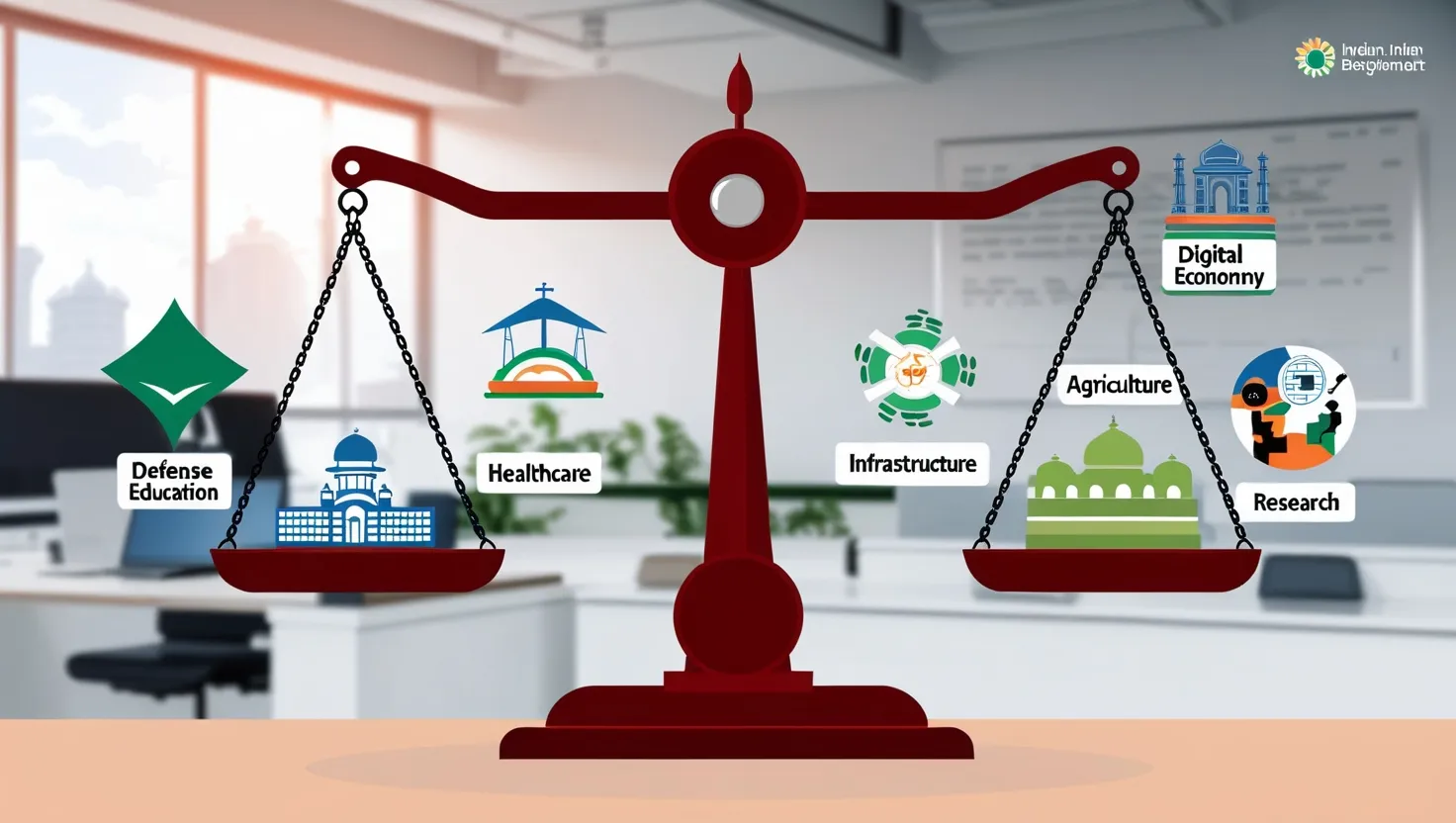
Electricity bills are no one’s favorite topic—that moment the envelope opens or the notification buzzes and you wonder if you kept your promise to switch off the hallway light. What if I told you that small policy changes are tilting the scales in your favor? The power sector, traditionally rigid and slow to innovate, is quietly rolling out reforms that make a real difference in what you pay, how you monitor usage, and how reliably those lights flicker on when you hit the switch. Lately, I’ve noticed these changes aren’t just jargon for industry insiders—they are practical levers many households, perhaps including yours, can pull to lower expenses and boost comfort.
“Electricity is really just organized lightning.” — George Carlin
Let’s start with a topic that sounds dull but can make a surprising impact: Time-of-Day tariffs. Imagine if groceries cost less in the evening than mid-afternoon. This is how some new electricity tariffs work, nudging us to run dishwashers or charge phones late at night, when the demand on the grid is at its lowest. Utilities are shifting from a flat kWh rate to dynamic pricing, marking evenings and nights as ‘off-peak’ with rates as much as 40% lower than peak hours. Why does this matter? If you schedule laundry or ironing for these cheaper slots, households can typically cut monthly bills by 10-20%. In some pilot studies, families have seen reductions even higher just by shifting routines. It’s worth asking yourself—how much of my bill is locked to habits rather than true need? Would you tweak your dinner time or charge your gadgets at night if it meant saving enough to cover a week’s groceries every month?
Block quote: “It is not the strongest of the species that survives, nor the most intelligent, but the one most responsive to change.” — Charles Darwin
Next up is the rise of smart meters—a deceptively simple device that’s quietly transforming how we monitor and manage electricity. These aren’t your parent’s old spinning dials. A digital meter talks directly to your provider, tracking usage at hourly intervals. In real time, you see exactly when and how you consume power. For most people, this ends the saga of exotic billing errors and months-long disputes about whether estimated readings are accurate. For some families, just comparing usage day-to-day led to behavior shifts, saving as much as 15% on bills without major sacrifices. I suggest taking an active role: check your smart meter weekly, question irregularities, and use the companion apps to flag devices sucking down standby power.
Are you taking advantage of this new level of detail, or are you still approaching monthly bills as inscrutable riddles? If there’s one thing I recommend, it’s spending a few minutes each week reviewing your usage and challenging yourself—can you beat last month’s numbers?
Then there’s an invisible reform changing the grid itself: renewable energy purchase obligations. Governments are demanding that a certain percentage of power be sourced from renewables. What’s the catch? Utilities, compelled to buy from wind and solar plants, are gradually reducing reliance on expensive, polluting fossil-fuel plants. Renewable electricity, once criticized as expensive, is now becoming the default in many regions. Over time, increased competition among solar and wind suppliers is biting down wholesale costs. This should encourage us, as everyday users, to ask if our utility offers a “green” or “renewable” plan—sometimes at no extra cost and, in some areas, at a discount due to government incentives. How would you feel knowing your morning coffee is powered by sunlight instead of coal, possibly for less?
Block quote: “Energy cannot be created or destroyed, it can only be changed from one form to another.” — Albert Einstein
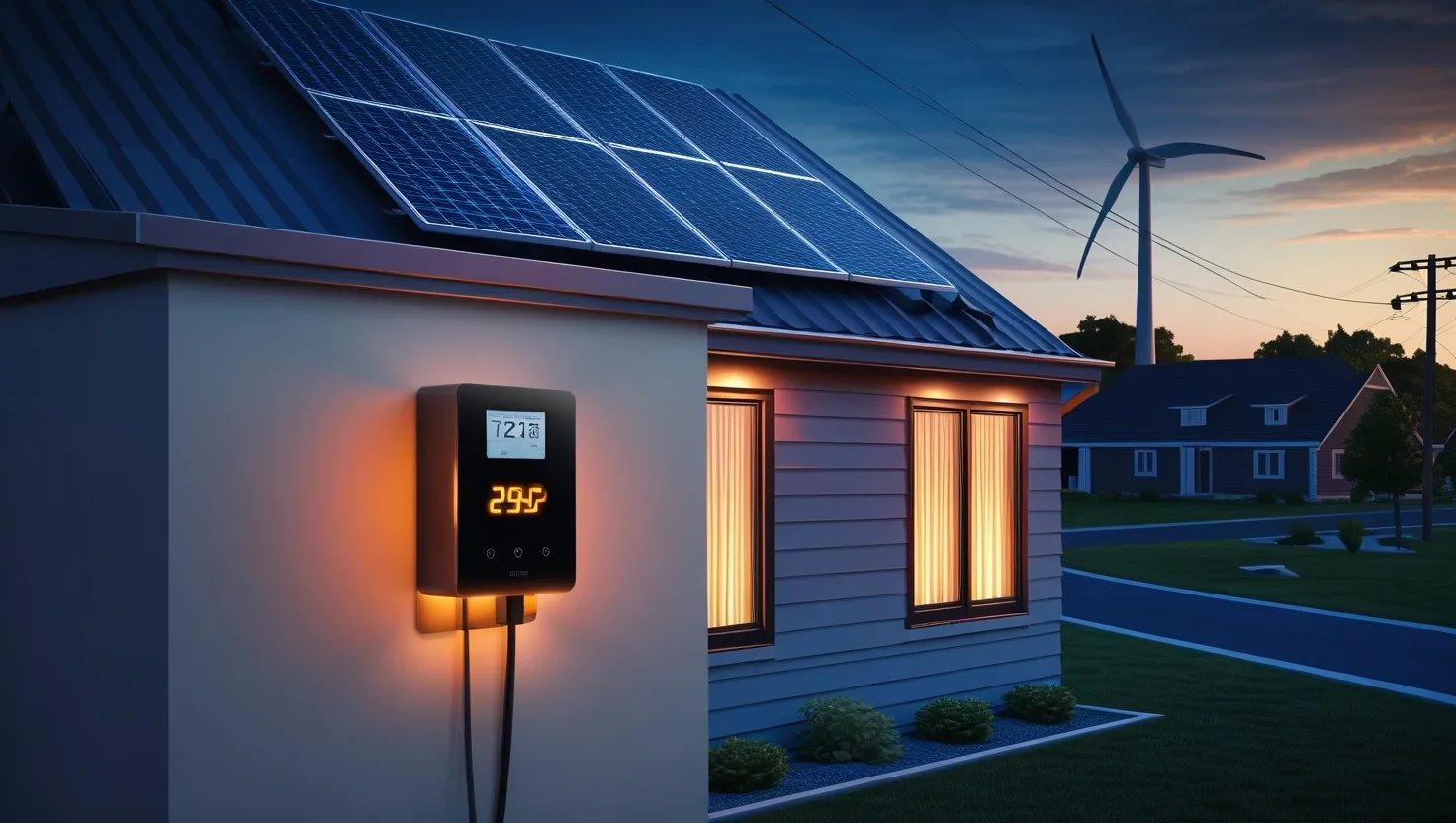
One reform with direct wallet impact: government subsidies for rooftop solar. Once a boutique option for enthusiasts, home solar panels are becoming mainstream thanks to easier application processes, bigger upfront grants, and the ability to sell excess power back to the grid. When I researched real families, I saw cases where bill payments dropped to near zero during sunniest months—sometimes turning negative as they sold extra electricity. Are you eligible for these programs? Applying usually just means filling a form and providing proof of home ownership. The catch? Solar works best if your roof is unshaded, and some older homes need structural checks. Still, if you’ve dismissed solar as too expensive, it’s worth looking again given the expanded grants and soft loans now on offer.
Let’s pause and ask: Would installing panels bring your net monthly power cost to zero? Is your roof earning for you while you sip tea inside?
Lastly, stricter service quality standards are reshaping how utilities respond. Gone are the days when blackouts were shrugged off as bad luck. Some new policies prescribe financial penalties for distribution companies if outages stretch beyond a set threshold. In some places, you can claim compensation for disrupted appliances or business losses during extended blackouts. It’s essential to know your rights here—keep records, file official complaints promptly, and follow up. Utilities only get better when we hold them accountable. If you’ve suffered through repeated outages, don’t just vent online—submit those claims. It’s a measure designed not just to offer compensation, but to nudge providers to improve reliability for everyone.
Block quote: “The greatest glory in living lies not in never falling, but in rising every time we fall.” — Nelson Mandela
Are these reforms perfect? Of course not. Some critics point out the rural-urban divide—policies often touch cities first, leaving remote communities waiting. Others cite implementation delays or loopholes that let companies dodge obligations. Even so, the trajectory tilts toward more transparency, better technology, and more choice for consumers. Where old habits and tech created a fog of guesswork, these changes offer clarity and agency.
Why do reforms like these matter to ordinary people? For many, it isn’t just about saving a few dollars. It’s about predictability, being able to plan, and feeling in control. If you’ve ever hesitated to install a new appliance or worried what an unusually hot month might do to your bill, these policies give you a toolkit for managing those fears.
To really make these reforms work for you, I’d suggest:
- Watch the clock. Start shifting major electricity uses to off-peak times and measure your savings. If your utility offers Time-of-Day tariffs, ask them for a breakdown or experiment for a month.
- Register for your smart meter app and check your dashboard weekly. If something looks off, challenge it immediately. This small effort can lead to real gains.
- Explore your eligibility for rooftop solar. Official websites and community outreach events can guide you, often providing subsidized panels and simple forms.
- Read the fine print on renewable options. Inquire if your area offers discounts or incentives for selecting a “green” power plan.
- Stay vigilant about service quality and file complaints when standards are not met. Your action prompts better service for all.
Throughout, remember that the biggest changes come when individual choices meet systemic shifts. Power is no longer just something delivered to your door—it’s something you can shape, influence, and even help produce. Reform is not a one-time promise handed down from policymakers; it’s a living process, best realized when we participate. So, let’s ask: What practical step will you take this week to tip your bill southward and claim your slice of the sustainable future? The answer might surprise you with its simplicity—and its impact.