How to Avoid Value Traps: The 5 Red Flags You Need to Know!
Value traps are seemingly cheap stocks that can drain portfolios. Avoid them by analyzing inconsistent profits, poor management, high debt, dying industries, and low-quality metrics. Diversify approach, research thoroughly, and prioritize quality over low prices.
Value Traps: The Hidden Pitfalls in the Stock Market
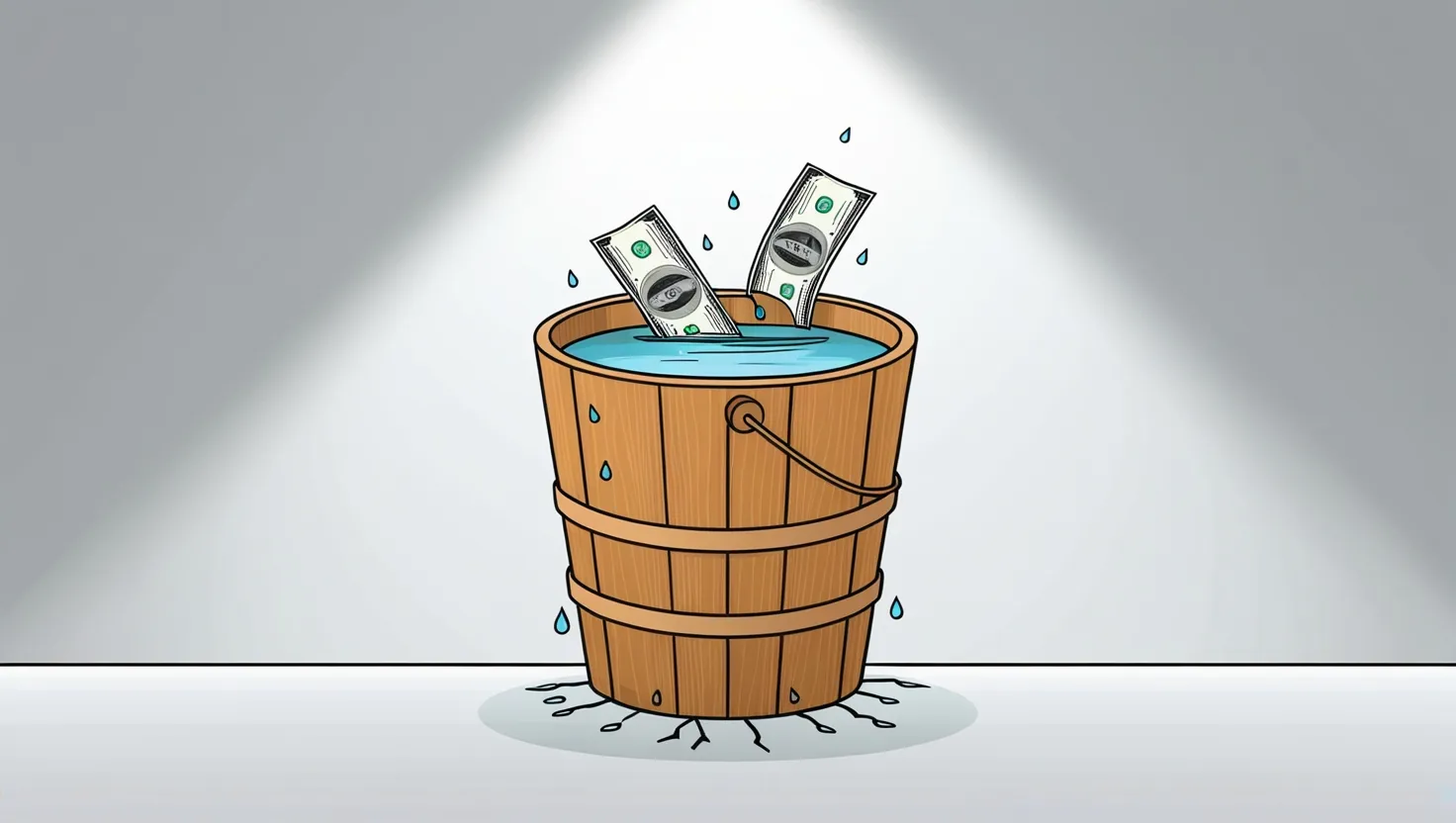
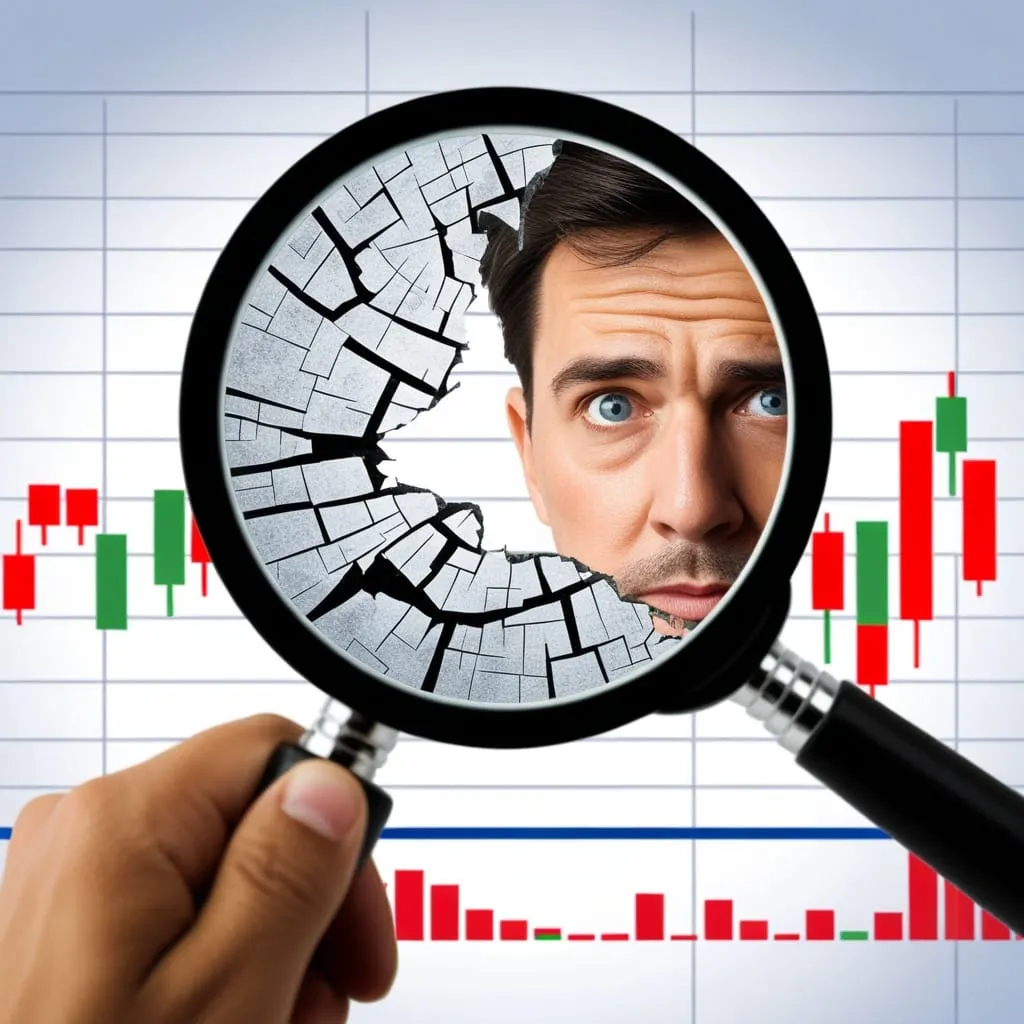
Ever looked at a stock and thought, "Wow, that's a steal!"? Hold up, buddy. You might be eyeing a value trap. These sneaky little devils can drain your portfolio faster than a leaky faucet. Let's dive into the world of value traps and how to spot 'em before they snag you.
First off, what the heck is a value trap? Imagine a beat-up car with a "For Sale" sign. Looks cheap, right? But pop the hood, and you'll find a mess of problems that'll cost you an arm and a leg. That's a value trap in the stock market - a stock that seems like a bargain but is actually a money pit in disguise.
Now, you might be thinking, "I'm no sucker. I can spot a good deal." But here's the thing - even the savviest investors can fall for these traps. It's like trying to resist that last slice of pizza. You know you shouldn't, but it looks so darn tempting.
So, how do we avoid these financial quicksands? Let's break it down.
Red Flag #1: Profits That Are All Over the Place
Imagine your friend who's always broke one week and flush with cash the next. That's what inconsistent profits look like for a company. It's a roller coaster you don't want to ride. Take General Motors before they went bankrupt. Their profits were as unpredictable as a cat's mood. One quarter they're raking it in, the next they're bleeding money. That's a big ol' red flag waving in your face.
Red Flag #2: Management That Couldn't Organize a Picnic
Poor management is like a captain steering a ship straight into an iceberg. They might look the part, but they're clueless. Remember Sears? Once a retail giant, now a cautionary tale. Their management couldn't adapt to the changing retail landscape if their lives depended on it. Even when their stock was dirt cheap, smart investors steered clear. Why? Because bad management is like a rotten apple - it spoils the whole bunch.
Red Flag #3: More Debt Than a College Graduate
High debt is like carrying a piano on your back while trying to run a marathon. It's just not gonna work out well. Look at Toys "R" Us. They were drowning in debt, and no matter how cheap their stock got, they couldn't keep their head above water. When a company's got more debt than assets, it's time to back away slowly.
Red Flag #4: Betting on a Horse That's Already Lost the Race
Investing in a dying industry is like buying a ticket for the Titanic after it hit the iceberg. Sure, it might be cheap, but you're still going down. Remember Blockbuster? They were like the captain of the Titanic, insisting everything was fine while Netflix was busy reinventing how we watch movies. No matter how low Blockbuster's stock went, it was never a good buy. Why? Because their whole industry was going the way of the dodo.
Red Flag #5: Numbers That Don't Add Up
Low-quality metrics are like a report card full of D's and F's. If a company's return on equity or return on capital is lower than its peers, that's a red flag. It's like a restaurant that can't cook a decent meal - eventually, people are gonna stop coming. Always compare these numbers to the industry average. If they're consistently falling short, it might be time to look elsewhere.
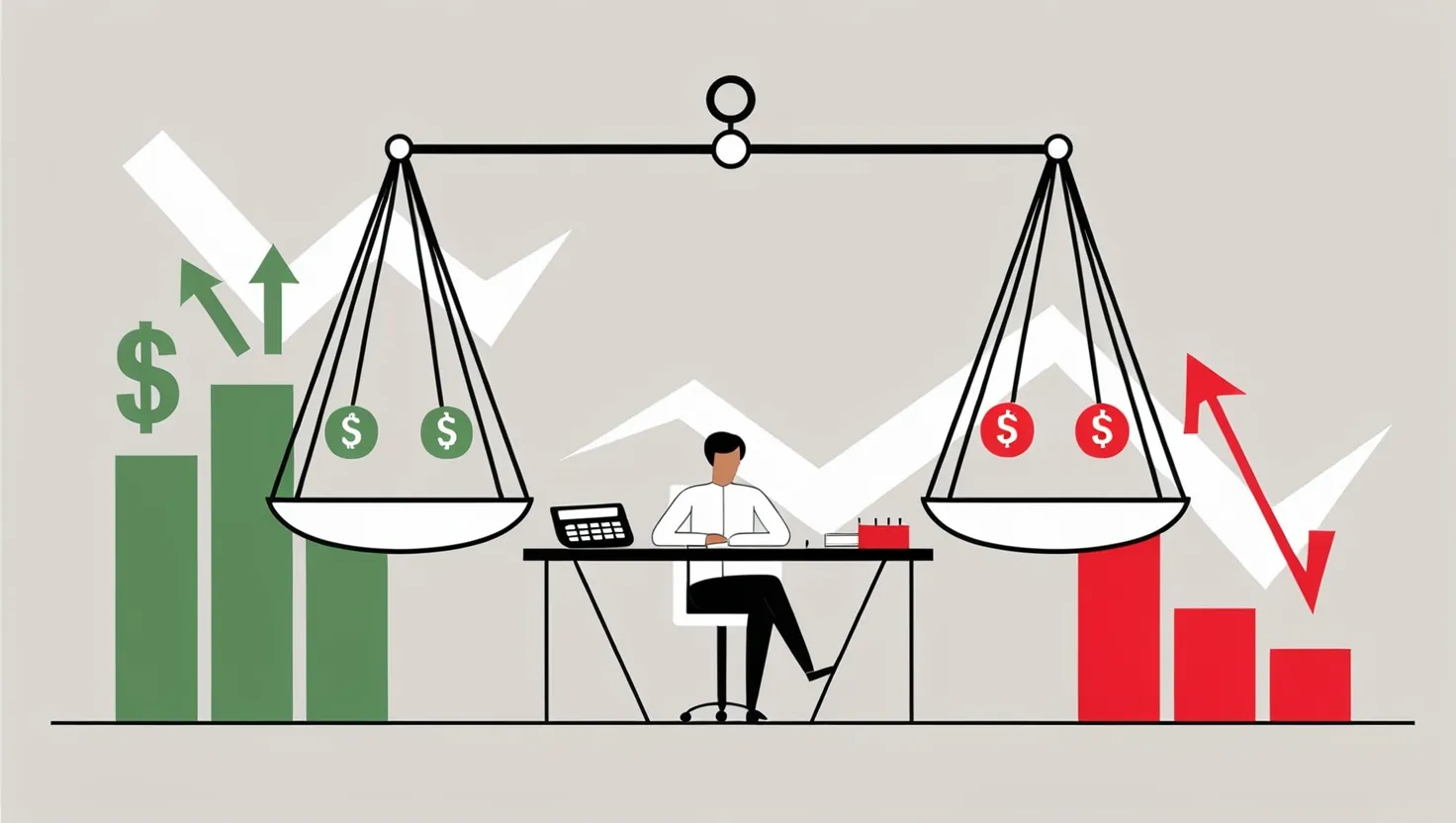
Now, here's the kicker - you can't just look at one thing and call it a day. That's like judging a book by its cover, or a Tinder date by their profile pic. You gotta dig deeper. Look at multiple factors - value, momentum, size, volatility, growth, and quality. It's like assembling a puzzle. One piece doesn't give you the whole picture.
Let's talk real-world for a sec. Say you're eyeing Gilead Sciences. Their P/E ratio looks lower than a limbo stick at a beach party. Tempting, right? But hold up. If you dig deeper and find out their revenue growth is slowing down faster than a car with four flat tires, that's your cue to back off. Low P/E ratio or not, if the future looks bleak, it's probably a trap.
So, how do you avoid these traps? Do your homework, kid. It's not just about the stock price or one fancy ratio. You gotta understand the company inside and out. Read those financial statements like they're the latest bestseller. Keep an eye on industry trends. Are they adapting to changes, or are they stuck in the past like your grandpa who refuses to use a smartphone?
Here's a pro tip: diversify your approach. Don't put all your eggs in one basket, and don't rely on just one factor when picking stocks. Use a bunch of different metrics. It's like casting a wide net - you're more likely to catch the good fish and avoid the stinkers.
And remember, just because something looks cheap doesn't mean it's a good deal. It's like buying a $5 watch. Sure, it's cheap, but it'll probably break in a week. Look for quality, not just a low price tag.
Leadership matters too. A company with great leadership is like a ship with a skilled captain. They can navigate through stormy seas. On the flip side, poor leadership is like having a drunk at the helm. You're headed for disaster, no matter how cheap the ticket was.
Always keep an eye on industry trends. Investing in a dying industry is like trying to sell ice to Eskimos. No matter how good you are, you're fighting an uphill battle. Look for industries that are growing or at least stable.
At the end of the day, avoiding value traps is all about being smart and patient. It's not a race. Take your time, do your research, and don't let FOMO (fear of missing out) drive your decisions. Remember what good ol' Warren Buffett said: "It's far better to buy a wonderful company at a fair price than a fair company at a wonderful price." Wise words from a guy who knows a thing or two about making money.
So next time you see a stock that looks too good to be true, pause. Take a breath. And start digging. Because in the world of investing, what glitters ain't always gold. Sometimes it's just fool's gold, waiting to trap the unwary investor.
Stay sharp, do your homework, and remember - in the stock market, patience isn't just a virtue, it's a strategy. Happy investing, and may your portfolio grow fatter than your waistline after Thanksgiving dinner!