India's Unemployment Crisis: 5 Government Schemes That Can Actually Help You
Explore India's top 5 government employment schemes — MGNREGA, PLI, PMKVY, and more. Learn how to register, qualify, and claim real benefits today.
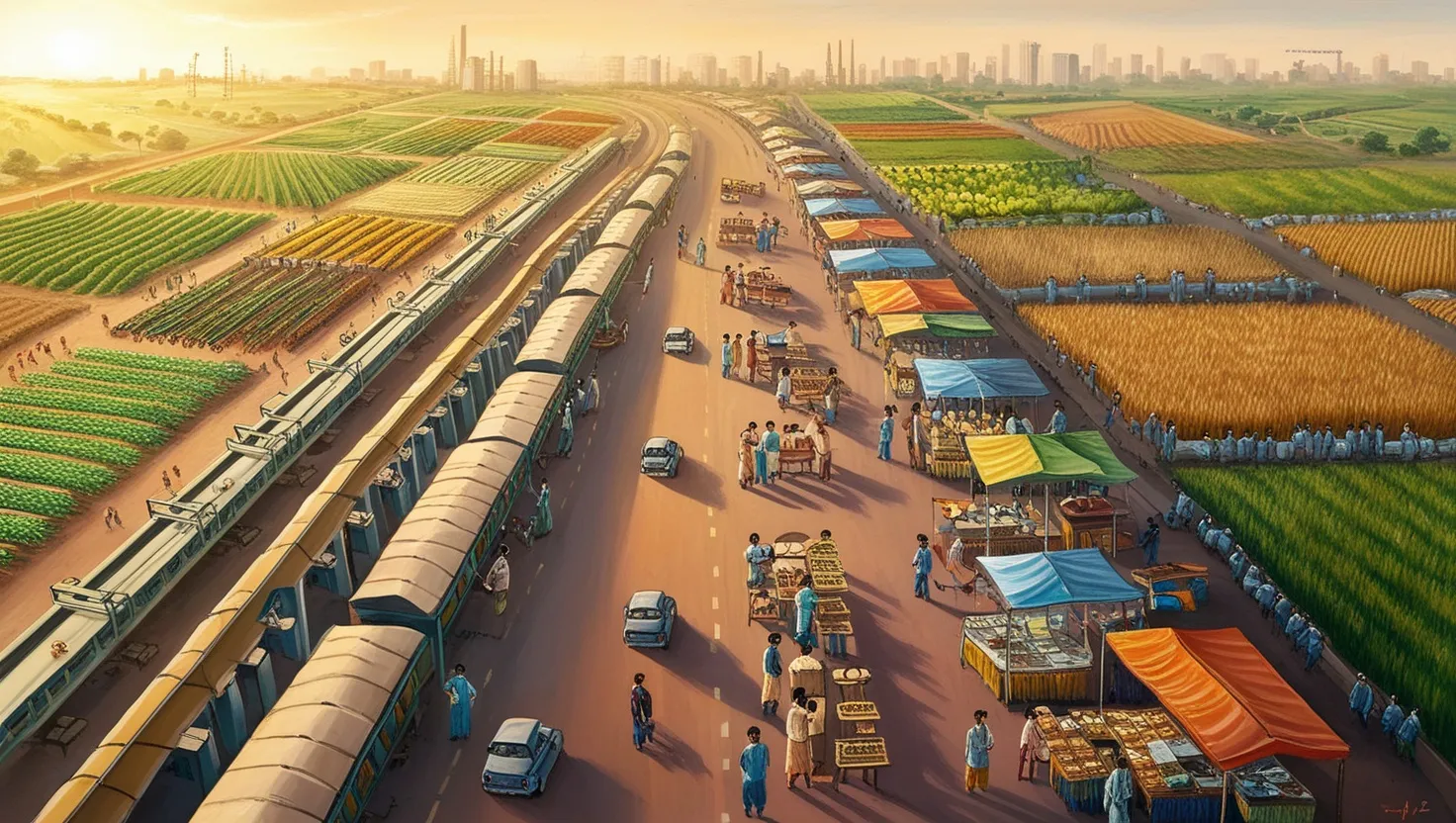
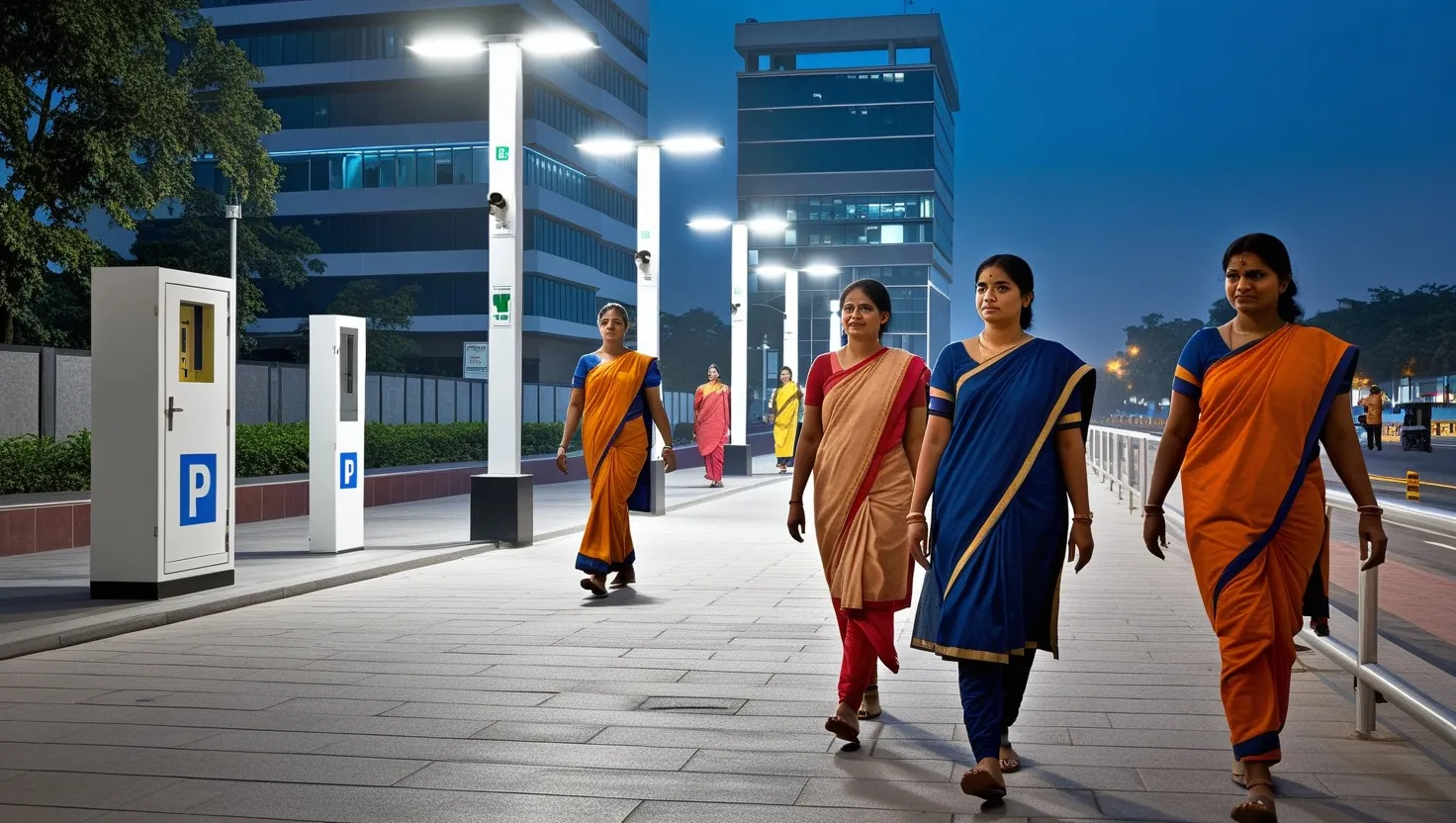
India has a jobs problem. Not the kind you can brush off with a headline or a budget speech — it’s the kind that shows up every morning when a young graduate sends out fifty applications and hears nothing back. Or when a farmer in Rajasthan has no work between harvests and no savings to fall back on. The unemployment rate, particularly among youth, has been a quiet but persistent crisis that no single policy has fully solved. But that doesn’t mean the government has been sitting still.
Over the past decade, several initiatives have tried — with varying degrees of success — to chip away at this problem. Some are old programs that got a serious upgrade. Others were born out of the COVID-19 economic shock. What most people don’t realize is that many of these programs have direct, practical benefits that ordinary citizens can actually claim — if they know how.
Let me walk you through five of the most significant ones, what they really do, and how you can use them.
MGNREGA — The Safety Net That Got More Expensive (In a Good Way)
The Mahatma Gandhi National Rural Employment Guarantee Act has been around since 2005, so it’s easy to dismiss it as old news. But the recent wage hike changes the story significantly. The wages under MGNREGA were revised upward, with some states now offering over ₹300 per day — a meaningful jump for families in rural India where daily expenses are real and constant.
Here’s what most people overlook: MGNREGA doesn’t just pay wages. It builds assets — roads, ponds, irrigation channels — that stay in the village long after the work is done. A family in a drought-prone district in Madhya Pradesh, for example, isn’t just earning during a slow season. They’re potentially working on a water conservation project that will help their own farm next year.
The program guarantees 100 days of work per household per year. That’s not a lot by urban standards, but for a family that previously had zero guaranteed income during the off-season, it’s the difference between debt and stability.
“Poverty is not an accident. Like slavery and apartheid, it is man-made and can be removed by the actions of human beings.” — Nelson Mandela
If you live in a rural area and haven’t registered under MGNREGA, start at your local Gram Panchayat office. Registration is free, and your job card gets issued within 15 days. Once you have the card, you can demand work — and the government is legally obligated to provide it within 15 days or pay you an unemployment allowance.
PLI Schemes — India’s Manufacturing Bet
Ask yourself this: where is your phone made? A few years ago, the answer was almost certainly China. Today, there’s a growing chance it was assembled in Tamil Nadu or Karnataka, thanks largely to the Production-Linked Incentive scheme.
PLI covers 14 sectors — from electronics and pharmaceuticals to textiles and food processing. The government gives companies financial incentives based on how much they produce in India. The logic is simple: if you produce more here, you get rewarded. And when factories produce more, they hire more people.
The electronics sector alone has seen assembly lines expanding rapidly, particularly in Chennai and Noida. Companies like Foxconn and Tata Electronics have ramped up hiring for factory floor jobs — roles that don’t always require a degree, just basic training and reliability.
Here’s the practical angle for job seekers: PLI-backed companies are actively hiring at multiple levels — floor workers, quality checkers, logistics staff, and supervisors. Job portals like NCS (National Career Service) and company websites for Tata, Dixon Technologies, and Lava International regularly post these openings. If you or someone you know is looking for manufacturing work and is based near an industrial hub, these are real opportunities with real wages and often with on-the-job training included.
PMKVY — Free Skills Training That Actually Pays
The Pradhan Mantri Kaushal Vikas Yojana sounds bureaucratic, but the idea behind it is straightforward: train people for jobs that actually exist, and do it for free.
PMKVY covers hundreds of job roles — electrician, solar panel technician, healthcare worker, beauty therapist, data entry operator, welder, and more. These are skills that employers across sectors actively want. The certification is nationally recognized, which means a candidate trained in Lucknow can apply for work in Pune or Hyderabad without anyone questioning their credential.
What most people don’t know is that PMKVY also covers assessment fees and certification costs — so you walk in with nothing and walk out with a certificate and, in many cases, a placement opportunity.
“An investment in knowledge pays the best interest.” — Benjamin Franklin
How do you register? Walk into a PMKVY-affiliated training center near you. You can find the nearest one by visiting the official Skill India portal (skillindia.gov.in) and searching by district. Courses range from a few weeks to a few months depending on the trade. Many centers also provide stipends for travel and meals, which removes one of the biggest practical barriers for low-income participants.
If you’re a parent worried about your child’s employment prospects after school, PMKVY is one of the more honest answers available right now. Not every graduate needs a four-year degree to earn a decent living.
Aatmanirbhar Bharat Rojgar Yojana — The Hidden Subsidy for Employers
This one is genuinely underused, mostly because small business owners don’t know it exists.
Launched in 2020 as part of India’s COVID-19 economic recovery package, the Aatmanirbhar Bharat Rojgar Yojana (ABRY) works like this: if a company hires new employees and registers them under EPFO (Employees’ Provident Fund Organisation), the government pays both the employer’s and the employee’s EPF contribution — that’s 24% of the wage — for two years. For a small business operating on thin margins, this is a significant cost reduction.
Think about what this means for a textile workshop in Surat or a small IT firm in Jaipur. Hiring a new employee suddenly becomes cheaper. The employee gets formal employment with social security benefits. Everyone benefits.
Do you own a small business? Here’s what to do: if your establishment is EPFO-registered and you hired new employees between October 2020 and March 2022 who earn less than ₹15,000 per month, you may still be eligible to claim benefits. Visit the EPFO portal (epfindia.gov.in) or contact your nearest EPFO regional office. Many small employers have left money on the table simply because they didn’t fill out the right form.
And if you’re an employee, ask your employer. Formal employment with EPF contributions protects you in ways that cash-in-hand work never will.
Startup India — Not Just for Tech Bros
When people hear “Startup India,” they imagine twenty-something engineers in Bangalore building apps. The reality is both more interesting and more accessible than that.
The Startup India initiative, launched in 2016, offers tax exemptions, easier compliance, access to government funding, and mentorship to recognized startups. Over 100,000 startups have been recognized under the program. But here’s the less-told part: many of these startups are not in technology. They’re in agriculture, handicrafts, food processing, rural logistics, and healthcare.
A startup in Varanasi that helps weavers sell their products online is creating jobs for weavers, photographers, packers, and delivery staff. That’s employment across the value chain, and it didn’t require a single line of code.
“The best way to predict the future is to create it.” — Peter Drucker
If you have a business idea — even a small one — and you’re working on a product or service that’s genuinely new in your market, you can apply for Startup India recognition at startupindia.gov.in. Recognition gives you access to a government network of incubators, funding agencies, and mentors. It also signals credibility to early investors and customers.
The Bigger Picture
None of these five programs is a perfect solution. MGNREGA suffers from delayed wage payments in some states. PLI benefits have been slower to trickle down than projected. PMKVY’s placement rates are uneven across regions. ABRY was time-limited and not everyone could access it. And Startup India’s benefits are clearest for those who already have some resources to start with.
But taken together, they represent a more layered approach to employment than India has historically attempted. The question worth asking is not whether the government is doing enough — it probably isn’t — but whether ordinary people are extracting every benefit they’re entitled to from what already exists.
The programs are real. The money is allocated. The problem, often, is awareness.
Know what you’re eligible for. Register where you can. Ask the questions you haven’t asked yet. The paperwork is annoying, but the outcomes — a job, a skill, a business — are worth it.