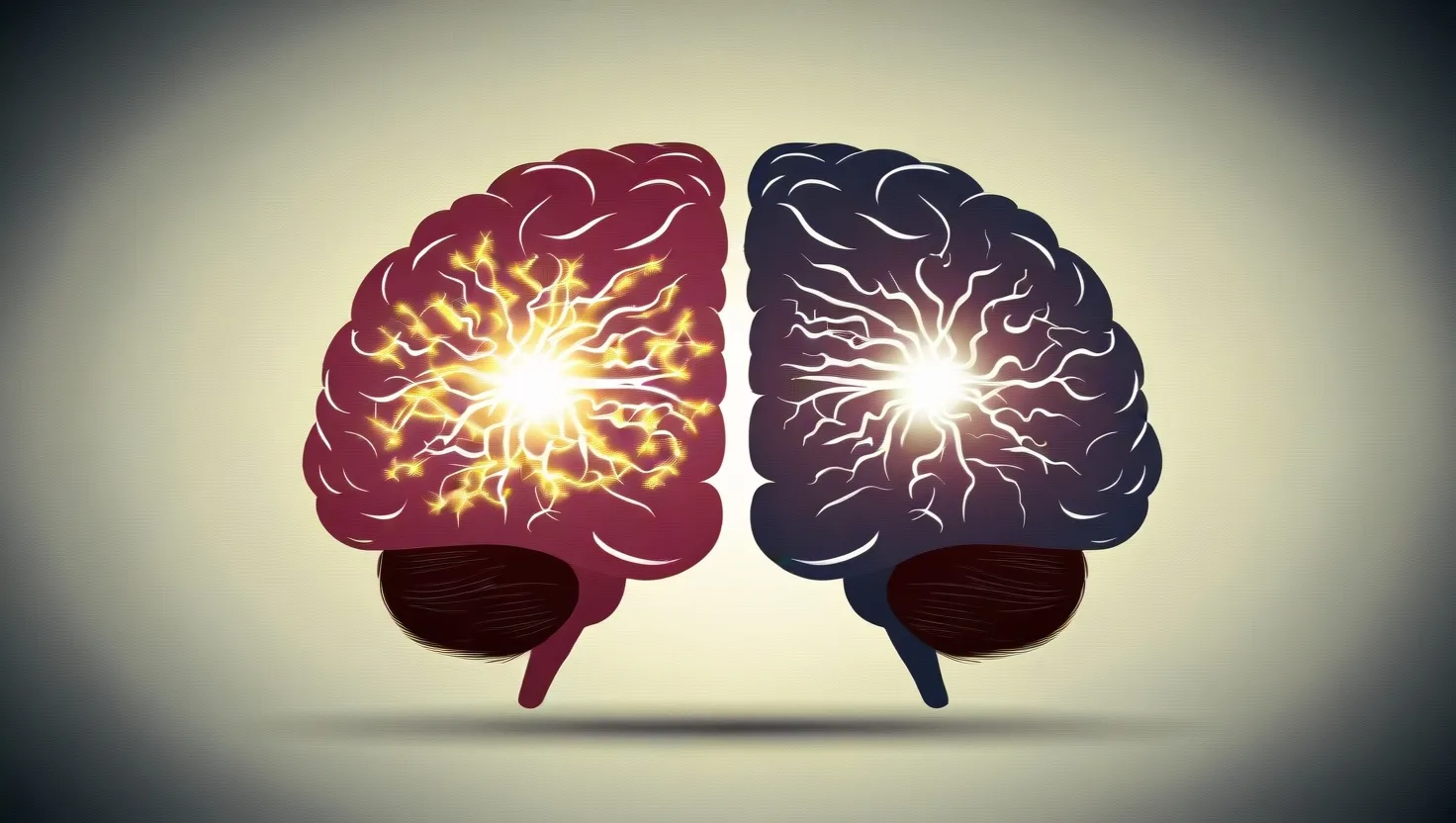
Imagine this: you’re sitting there, staring at your phone, knowing you need to get up and exercise, but your brain whispers, “Just five more minutes.” Sound familiar? That’s where Mel Robbins’ The 5 Second Rule comes in with its three powerful action triggers. They help you beat that stuck feeling by counting down 5-4-3-2-1 and moving right away. Let me walk you through them like we’re chatting over coffee, sharing some hidden gems most people miss.
First up, the 5-4-3-2-1 Countdown. Do this: when you feel that nudge to act—like sending that tough email or starting your workout—count backward from five out loud or in your head. Hit one, and physically move your body. No thinking, just go. It’s like hitting an override button on your lazy thoughts.
Why does this work so simply? Your brain loves to overthink. It spins stories about why you can’t or shouldn’t act. But counting backward? That’s not how your brain counts down for normal stuff. Rockets launch with countdowns because they force launch. You can too. Try it next time you hesitate on a call. Count and pick up the phone. Boom, done.
Have you ever noticed how kids just act without second-guessing? We lose that as adults. This rule brings it back. One lesser-known fact: pilots use similar countdowns in emergencies. They don’t debate; they count and eject. Apply it to your life—your brain won’t know what hit it.
“The moment you have an instinct to act on a goal you must 5-4-3-2-1 and physically move or your brain will stop you.” – Mel Robbins
Now, think about your morning. Alarm buzzes, and what’s the first thing you do? Grab your phone, right? Scroll for an hour. That’s a habit loop at work. The second trigger, Interrupt the Habit Loop, uses the countdown to smash that. Hesitation creates a gap where excuses flood in. Count 5-4-3-2-1, and you close the gap fast.
Picture your brain as a looped video: trigger (alarm), routine (phone grab), reward (dopamine hit). The countdown is like yanking the plug. It shifts your focus from autopilot to manual control. Use it when you reach for junk food or hit snooze. Count and choose water or get out of bed instead.
Here’s an unconventional angle: this isn’t just for bad habits; it’s gold for good ones too. Ever want to read but end up watching TV? Spot the urge, count down, grab the book. Studies show habits form in loops, but interrupting them rewires your brain faster than willpower alone. Your old patterns? They’re just electrical signals. Disrupt them.
What if your worst habit is snapping at your kids after a long day? Next time the urge hits, count silently. Walk away, breathe. You’ve just hacked your wiring.
Marshall Goldsmith, in his book Triggers, nails a related truth we often ignore. He says environments and thoughts trigger us to derail. But Robbins’ countdown gives you the tool to fight back without fancy coaching.
Ever feel like your day drains you by noon? That’s decision fatigue—your self-control tank empties. The countdown saves energy because it skips debate. Short bursts of action keep your tank full. Lesser-known: athletes use mental countdowns before free throws. No overthink, just shot.
“Hesitation is the enemy of change.” – Mel Robbins (paraphrased from her rule’s core)
Okay, third trigger: Start with Courage, Not Confidence. This one’s a game-changer for the timid side of us. You don’t wait to feel ready. Confidence? It grows after you act. See a chance to speak up in a meeting? Count 5-4-3-2-1 and say it. Scared to ask for a raise? Same deal.
Why unconventional? Most advice says “build confidence first.” Wrong. Action breeds it. Think of it like riding a bike—you wobble at first, but pedaling builds steadiness. Robbins calls this a metacognitive hack: you’re aware of your thoughts but choose action anyway.
Apply it daily for tiny brave acts. Smile at a stranger. Say no to that extra task. Momentum snowballs. Question for you: what’s one scary thing you’ve put off? Right now, count down in your head and commit to it today.
Famous voices echo this. Eleanor Roosevelt once said, “You must do the thing you think you cannot do.” Spot on. Pair it with the rule, and you’re unstoppable.
Now, let’s tie these triggers together for real power. Use the countdown to launch action, interrupt loops, and act before you’re ready. Implement daily: morning routine, work tasks, evening wind-down. But here’s a fresh perspective most skip—use it for joy, not just grind.
Stuck in negativity? Feel down, count 5-4-3-2-1, stand up, dance silly. Your body tricks your brain into happiness chemicals. Lesser-known fact from neuroscience: physical movement flips mood switches faster than positive thinking. Try it when blue.
What about relationships? Hesitate to apologize? Count and say it. Fights end quicker. Or compliment your partner—count, speak. Bonds strengthen. Unconventional: Robbins drew this from her own rock-bottom nights, anxious and broke. Counting got her pitching ideas that changed her life.
Dig deeper: these triggers fight “inertia bias.” Our brains hate change more than pain. Goldsmith warns we plan big but do zilch because triggers win. Counter it—countdown beats inertia every time.
Ever wonder why New Year’s resolutions fail? Ninety percent do because we wait for motivation. Flip it: motivation follows motion. Use the rule on small goals first. Make bed? Count, do it. Feels good, repeat.
“Courage is resistance to fear, mastery of fear—not absence of fear.” – Mark Twain
Picture me telling you this as your no-nonsense friend: stop waiting. Your brain’s a sneaky liar, promising “tomorrow.” But tomorrow’s the same trap. These three triggers? Your escape hatch.
Lesser-known angle: in high-stakes jobs like surgery, teams countdown before incisions. No hesitation saves lives. Your goals deserve that precision. Procrastinating a hobby? Count, start. Joy awaits.
Interrupt loops in sneaky spots. Email notifications? Feel the pull, count, ignore. Focus skyrockets. Build courage for dreams—job switch, travel solo. One count at a time.
Daily challenge: pick three moments today. Workout, tough talk, healthy eat. Count each time. Track wins. You’ll see patterns you ignored.
Goldsmith’s Triggers adds wisdom: ask yourself nightly, “Did I do my best to act despite triggers?” Pair with Robbins—unbeatable.
Struggling with fear? Normal. The rule proves you control impulses. Small acts stack into big change. Feel that power?
Unconventional use: public speaking terror. Stage fright hits, count 5-4-3-2-1, step forward. Adrenaline shifts from freeze to flow. Speakers swear by it.
For parents: kid won’t clean room? Model it—count, tidy yours. They copy. Habits spread.
Nighttime rut? Doom-scrolling? Count, lights out. Sleep improves.
“Inaction breeds doubt and fear. Action breeds confidence and courage. If you want to conquer fear, do not sit home and think about it. Go out and get busy.” – Dale Carnegie
Expand to health. Crave soda? Count, choose tea. Weight drops. Energy up.
Work wins: pitch idea? Count, email boss. Promotions follow.
Relationships heal: grudge holding? Count, forgive. Peace returns.
Your mind resists because change feels risky. But risk staying stuck? Bigger.
Fresh insight: these triggers mimic ancient survival. Ancestors counted breaths before hunt—hesitate, die. Modern version: hesitate, dreams die.
Question: what’s your biggest hesitation right now? Pause, count 5-4-3-2-1, write it down. Act tomorrow.
Scale up: big goals like writing a book. Blank page scares? Count, type one sentence. Book grows.
Friends drag you down? Urge to join gossip? Count, walk away. Better circle forms.
Money woes: impulse buy? Count, save instead. Wealth builds.
These aren’t magic; they’re physics. Motion overcomes friction.
Lesser-known: Robbins tested on thousands. Works across ages, jobs. Even prisoners used it for mindset shifts.
Struggling with anxiety? Count breaks thought spirals. Therapists recommend.
Fitness plateau? Count starts workouts. Bodies transform.
Career stall? Count applies jobs. Opportunities flood.
“The 5 Second Rule will help you win the battle between your excuses and your dreams.” – Mel Robbins (inspired quote)
Make it yours: phone wallpaper “5-4-3-2-1 GO.” Reminder everywhere.
Nightly review: what loops did I break? Courage moments? Adjust.
Share with a buddy. Accountability doubles power.
Skeptical? Test one week. Track before/after. Proof in results.
Unconventional: use for fun. Bored? Count, try new recipe. Life sparks.
Gratitude block? Count, list three. Mood lifts.
These triggers defeat the universal trap: overthinking. Act now, think later.
You’re capable. Hesitation’s the thief. Reclaim time.
Tomorrow morning, alarm hits. Don’t think. Count 5-4-3-2-1. Feet on floor. Day yours.
You’ve got this. One count changes everything. What’s your first move?
(Word count: 1523)