5 International IP Agreements Quietly Controlling Innovation, Trade, and Who Owns Ideas
Explore the 5 key international IP agreements shaping global innovation, trade, and creativity — and how they affect inventors, creators, and businesses worldwide. Read more.
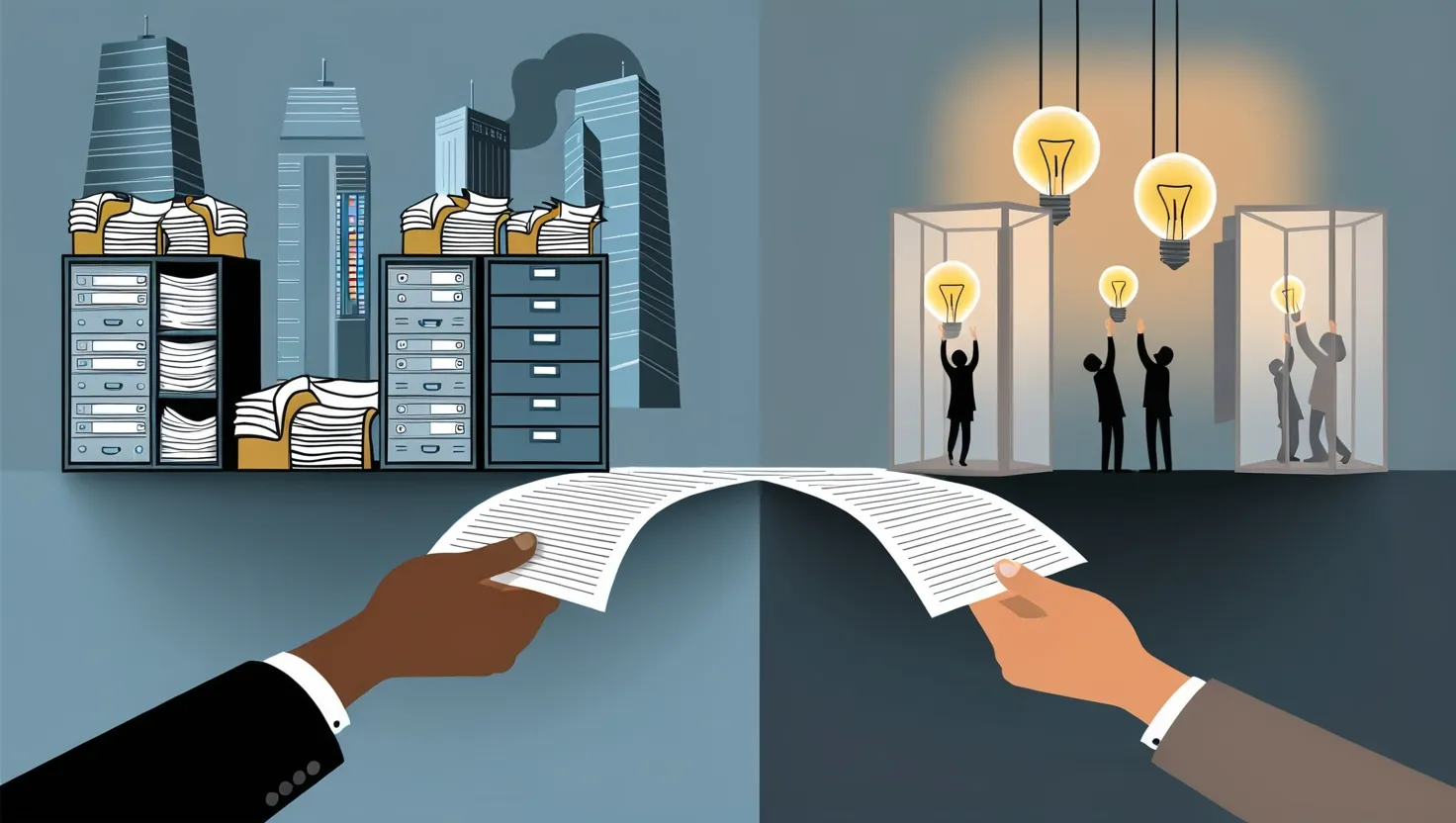
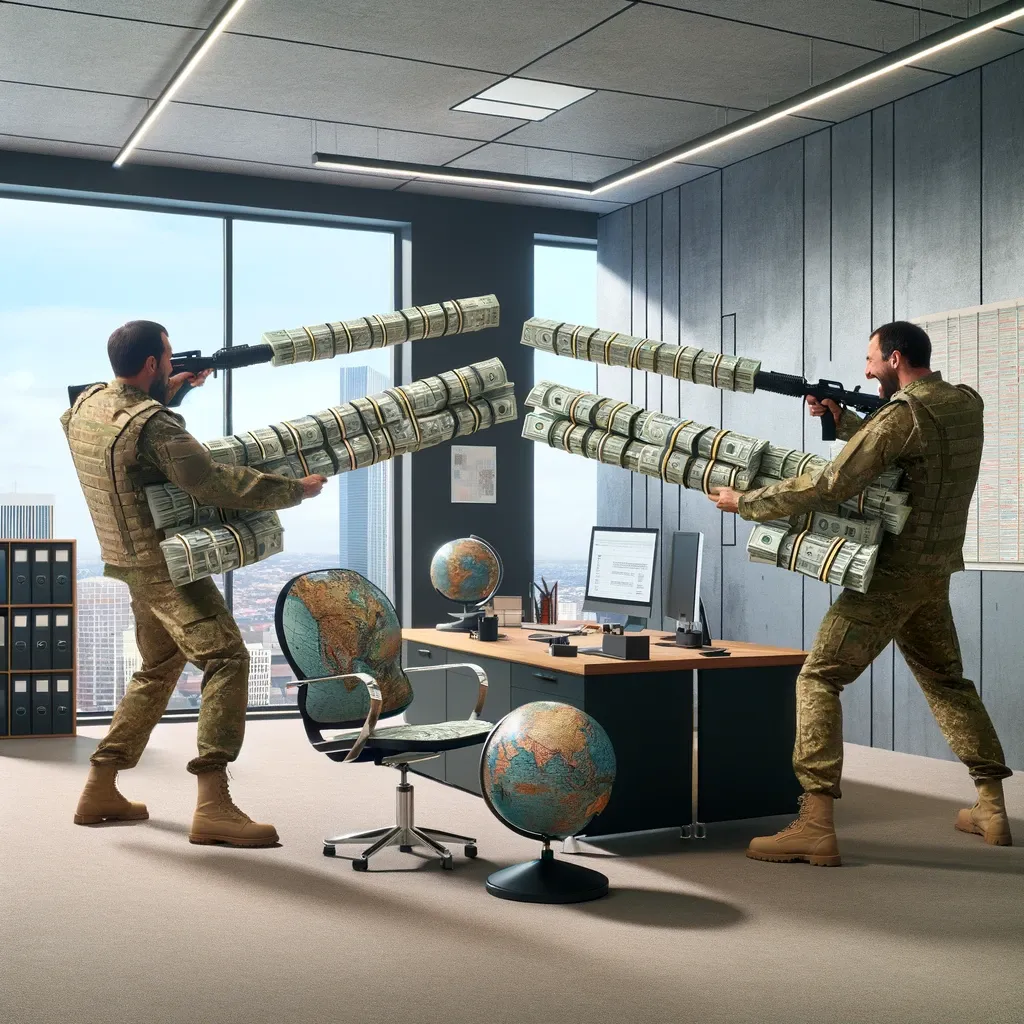
There’s a quiet war happening right now over who gets to own ideas. Not guns, not territory — just words on paper, legal frameworks signed in conference rooms, and agreements between governments that most people have never heard of. But these agreements decide whether a farmer in Kenya can afford seeds, whether a student in Bangladesh can access a textbook, and whether a startup in Vietnam can launch a product globally without being sued into the ground.
Ideas have value. And when ideas have value, powerful people want to control them.
The world figured this out a long time ago. Countries started signing agreements to protect inventions, books, brand names, and creative works across borders. Five of these agreements, specifically, have shaped how innovation moves — or gets stuck — around the world. If you create anything, sell anything, or build anything that crosses a border, these frameworks are already affecting your life whether you know it or not.
“Intellectual property is the oil of the 21st century.” — Mark Getty
Let’s start with the biggest one. The Agreement on Trade-Related Aspects of Intellectual Property Rights — TRIPS — came into force in 1995 as part of the World Trade Organization. Before TRIPS, a pharmaceutical company in Germany had no guarantee that its patents would be respected in Brazil. A software firm in the United States had no real recourse if a manufacturer in Thailand copied its product and sold it cheaper. Countries played by wildly different rules, and companies hated that.
TRIPS changed everything by setting minimum protection standards that all WTO member countries must follow. Patent protection must last at least 20 years. Copyrights must protect works for at least 50 years after the author’s death. Trademarks must be protected. Every member — and there are 164 of them — must play by these rules or face trade consequences.
Here’s where it gets interesting though. TRIPS was written largely by wealthy nations with large corporate interests. Developing countries were essentially told: adopt these rules or stay outside the global trading system. Many signed, even though the rules were designed for economies with the capacity to innovate, not economies still trying to build basic infrastructure.
Does that seem fair to you? Think about it — if you’ve never had the resources to invent something in the first place, being forced to protect other people’s inventions at your own expense is a strange deal.
The TRIPS Agreement does have something called “flexibilities.” Countries are technically allowed to issue compulsory licenses — meaning they can allow generic manufacturers to produce patented medicines without the patent holder’s permission during a public health emergency. South Africa used this during the HIV/AIDS crisis. India used it for cancer drugs. But using these flexibilities requires political courage, because pharmaceutical companies and wealthy governments often push back hard.
“Knowledge is the only instrument of production that is not subject to diminishing returns.” — J.M. Clark
Before patents even get to the global stage, inventors need a way to protect their idea in multiple countries without filing separately in each one. That’s where the Paris Convention comes in. Signed originally in 1883 — yes, over 140 years ago — the Paris Convention introduced the concept of a “priority date.”
Here’s how it works in plain language. Say you invent something in France on January 1st. You have 12 months from that date to file patent applications in any other Paris Convention country, and they all treat your filing date as January 1st. You don’t lose your spot in the queue just because you needed time to organize international filings.
This seems like a small technical detail. It isn’t. Without a priority date, another inventor could file in Japan on January 15th and steal your priority before you even had time to organize a foreign filing. The Paris Convention stopped that race-to-file chaos for inventors going international.
What most people don’t realize is that the Paris Convention also covers trademarks and industrial designs, not just patents. It’s broader than it sounds. And 179 countries are members, making it one of the most widely adopted IP treaties ever.
Now let’s talk about something that protects writers, musicians, photographers, and filmmakers without them having to do a single thing. The Berne Convention, established in 1886, works on one radical idea: protection should be automatic.
If you write a novel, paint a picture, or compose a song, you are automatically protected in all 181 Berne member countries the moment you create it. No registration. No fees. No copyright notice required. The work exists, therefore it is protected.
“A writer only begins a book. A reader finishes it.” — Samuel Johnson
Before Berne, countries could require formalities — registration, deposit copies, notices on every page — before granting copyright protection. Foreigners often fell through the cracks because they didn’t know the local rules. Charles Dickens famously had his novels pirated across America because there was no international protection. American publishers reprinted his work and sold it without paying him a cent.
Berne fixed that by requiring member countries to treat foreign authors the same as domestic ones. No discrimination based on nationality. No extra hoops for foreigners to jump through.
The hidden tension inside Berne is duration. The minimum protection period is the author’s life plus 50 years. Many countries, especially the United States and European Union members, extended this to life plus 70 years, largely due to lobbying from entertainment companies. What this means practically is that works stay locked up longer before entering the public domain — the shared pool of human knowledge anyone can freely use, build upon, and remix.
Every year Mickey Mouse doesn’t enter the public domain is a year educators, artists, and developers can’t freely use that character. Whether that benefits society or just Disney shareholders is a question worth asking.
Speaking of patents crossing borders more efficiently, the Patent Cooperation Treaty — PCT — does something specific and enormously useful. It lets you file one international patent application that holds your place in up to 157 countries simultaneously. You don’t get an international patent — those don’t exist — but you get time and streamlined processing.
After filing under PCT, you have up to 30 months before you need to enter the “national phase” — meaning you decide which specific countries you actually want to pursue full patents in, and you pay those national fees. This gives inventors time to raise money, find business partners, or test their market before committing to the expensive process of country-by-country patent prosecution.
A solo inventor in South Korea can now use the PCT to hold their international position while they figure out whether launching in Europe makes business sense. Without PCT, they’d have to make that decision within 12 months of their priority date and pay every country’s fees upfront.
“Innovation is seeing what everybody has seen and thinking what nobody has thought.” — Dr. Albert Szent-Györgyi
Now imagine you build a brand. You call it something memorable, design a logo, and your customers recognize it anywhere in the world. Protecting that brand name internationally used to mean filing separate trademark applications in every country — different forms, different fees, different languages, different legal systems. It was exhausting and expensive enough that small businesses simply skipped it.
The Madrid System changed that. Through a single application filed in your home country’s trademark office, you can designate protection in up to 130 member countries. One application, one language (English, French, or Spanish), one set of fees. Countries then have 12 to 18 months to refuse your mark based on their local laws. If they don’t refuse, you’re protected.
This matters enormously for small and medium businesses going global. A fashion brand from Nigeria, a tech startup from the Philippines, a food company from Peru — all can now protect their brand identity internationally without spending tens of thousands of dollars on local trademark agents in every country.
Here’s where all five of these agreements meet a genuinely hard question: what happens when the things being protected are AI-generated works, or patents on vaccines during a global pandemic?
The COVID-19 crisis exposed the real human cost of IP rules. Rich countries had vaccines. Poor countries waited. A temporary waiver on vaccine patents was proposed at the WTO but took years to partially negotiate, while millions of people in low-income countries had no access. The frameworks existed to address this — TRIPS flexibilities were right there — but political will and corporate pressure shaped outcomes more than legal text did.
AI is the next stress test. When an AI system generates an image, writes a song, or produces a research paper, who owns it? Current IP law in most countries says only humans can be authors or inventors. But the creative inputs — training data, model architecture — came from human work. The outputs look creative. The legal frameworks weren’t written for this, and they’re straining to keep up.
What’s worth understanding is that these five agreements aren’t just bureaucratic paperwork. They are the architecture of the global knowledge economy. They determine whether a small inventor in Indonesia can compete with a corporation in California, whether a writer in Nigeria gets paid when their book is sold in Germany, and whether a lifesaving medicine costs $50 or $5,000.
The next time you buy a book, take a medicine, or use a branded product from another country, one or more of these agreements made that transaction possible — or more expensive — than it needed to be. Understanding them isn’t just for lawyers and policymakers. It’s for anyone who creates, builds, or buys anything in a connected world.