How Global Financial Trends Impact Your Daily Expenses and Long-Term Planning in India
Discover 5 global financial trends impacting your daily expenses and investments in India. Learn to track central bank rates, currency swings, commodity prices, and trade policies to make smarter money decisions. Start saving today.
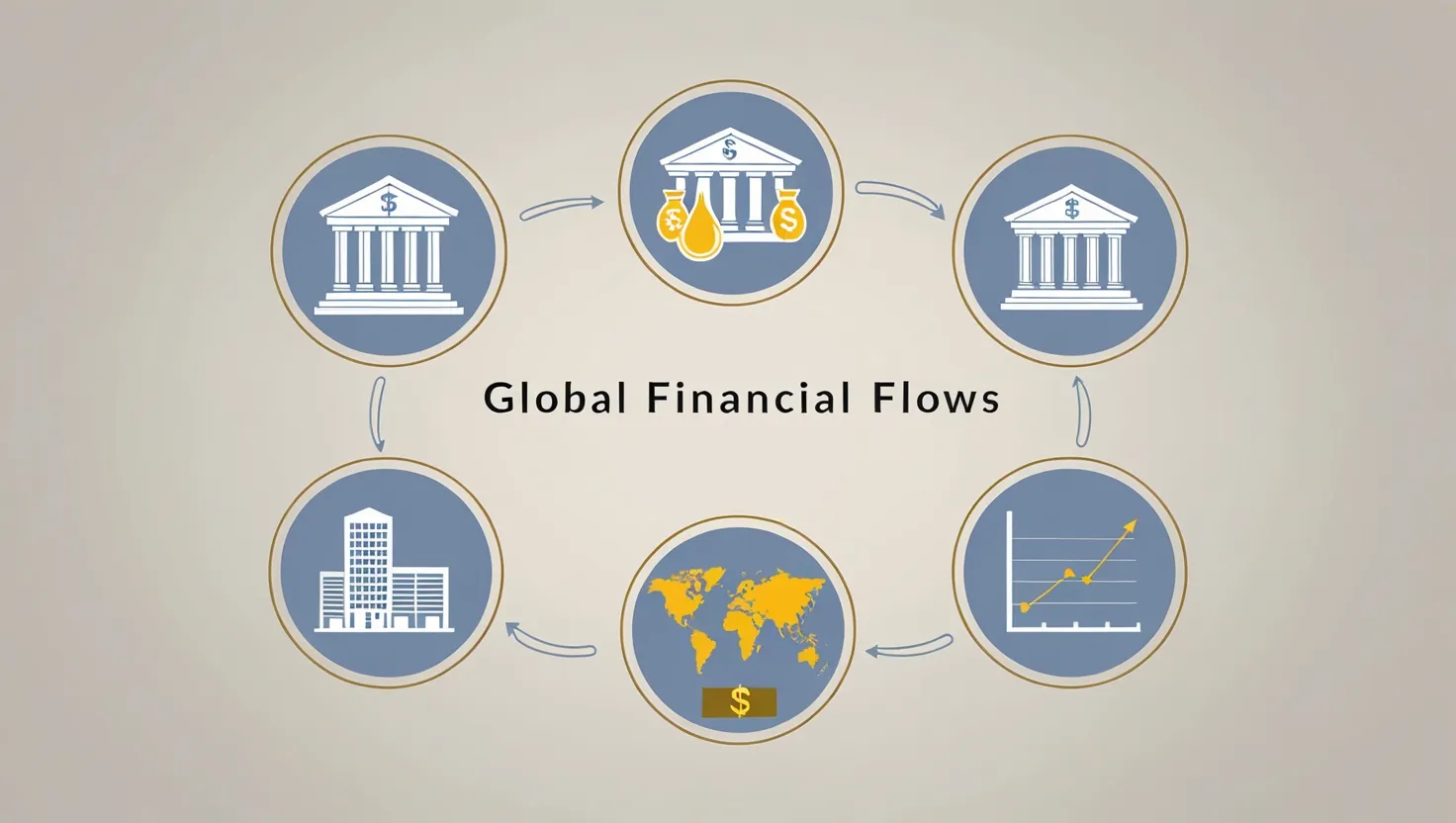
Five financial trends from around the world shape my daily choices and long-term plans in ways that are rarely talked about. Most headlines focus on spectacular stock rallies or global crises, but it’s the subtle shifts—the kind that don’t make the evening news—that quietly change the way I save, spend, and plan for the future in India. How often do we pause and ask: Why did my EMI feel heavier this month, or why did my gold jewellery cost more than what it did last Diwali? Let’s strip away the jargon and demystify these trends, so I—and you—can respond, not just react, to the shifting global scene.
What if I told you that a meeting in New York could ripple all the way to my neighbourhood in Pune, changing the interest I pay on my home loan? Central banks like the US Federal Reserve or the European Central Bank move interest rates up or down based on their own economies’ needs. Yet, when those rates go up, dollars often rush back home to the US, pulling money out of countries like India. My bank, getting less capital from abroad, now finds it costlier to lend to me. Suddenly, those comfortable EMIs have a little more bite. “Money is a terrible master but an excellent servant.” — P.T. Barnum. I remind myself to keep an eye on the Reserve Bank of India’s bulletins; a simple alert can warn me before an EMI hike becomes a reality.
Now, let’s look at something less obvious, but no less important: currency swings. The rupee changes value against the dollar—a reality that follows global politics, trade, and investor moods more than anything I do locally. The consequences aren’t abstract. If I have a child studying in the UK, a sudden dip in the rupee can inflate next semester’s tuition overnight. Even something as simple as ordering a smartphone or laptop from overseas involves currency math that impacts my costs. How do I stay ahead of this? Before making hefty foreign payments, I pull out a currency converter app. It lets me “lock in” costs when the rupee looks strong. It’s like hedging without the complexity—a small habit that saves thousands in the long run.
Let’s bring it even closer to home: everyday shopping. Do I ever wonder why vegetables traveled up in price after a news report about crude oil? When global oil prices soar, so does the cost of moving goods across India. Gold—while often seen as a jewelry expense or a wedding ritual—acts as both a safe haven and a barometer of uncertainty. If there’s worldwide unrest, gold ticks up. Knowing this, I time my festival gold purchases when global prices look quiet. There’s a lot of wisdom in the old saying, “Buy when there’s blood on the streets”—not to be ghoulish, but to remember that patience pays in the markets for things like oil and gold.
Have you checked your mutual fund statement lately? I do, and what I see increasingly reflects stocks not just from India, but around the world. Global stock shifts mean that a sudden selloff in the US, a rally in Tokyo, or policy shifts in China show up right in my portfolio’s returns. This isn’t just a matter for professional investors. Even a well-meaning family member’s SIP—systematic investment plan—now depends on how tech companies in California or supply chain glitches in Germany perform. If you haven’t thought about diversifying beyond one country or one currency, now may be a good time. India’s growth story is compelling, but spreading investments across geographies reduces shocks and makes for steadier long-term gains. How balanced is your portfolio across regions?
Trade policy might sound like a chess match between countries far away, but its effects land squarely in my electronics store and car showroom. Maybe you noticed certain smartphones or car models disappearing, or prices unexpectedly rising? That’s not always inflation. It could be a tariff war, a supply chain tweak, or a sudden incentive for local assembly. For example, when China changes its import policies or the US places restrictions on semiconductors, the ripples force global companies to re-calculate where they manufacture and ship products. For me, this sometimes means postponing a laptop purchase or switching to a different brand when the cost-benefit equation changes overnight.
“The stock market is filled with individuals who know the price of everything, but the value of nothing.” — Philip Fisher. I often step back and ask: Do I really know how external trends shape my everyday finances?
A quiet trick that helps me—and can help you—is tracking the Reserve Bank of India’s rate announcements. Even if you’re not a finance buff, just knowing the dates and outcomes gives you a huge leg up. When the RBI adjusts its stance, banks update savings rates and home loan EMIs not long after. I’ve gotten into the habit of reviewing my home loan rate and deciding if a balance transfer makes sense within a week of a rate shock. It keeps me nimble, not stuck.
When the rupee looks vulnerable due to global currency moves, I take a hard look at big-ticket international expenses. Is there a way to prepay education fees, medical bills, or planned travel when the rupee is stable? Conversely, if a family member is planning overseas studies, pooling funds and remitting in tranches can help average out currency risk. Currency risk, after all, doesn’t care about my plans, only global tides.
What about household budgeting for gold and oil? I use alerts from commodities trackers—not just local news—to anticipate spikes. If gold prices suddenly climb due to global tensions, I might delay a jewelry purchase, knowing prices usually stabilize after panic subsides. As for everyday fuels, a little research on international crude trends helps plan purchases and travel—maybe even consider alternatives or carpooling when costs look set to rise.
Looking at investments, I routinely check the geographical spread of my portfolio. Many people, even experts, forget that too much exposure to one country—no matter how bullish you feel—has risks. If you had all your money in one sector or market during a global event, you’d know exactly what I mean. Adding an international fund, or even a few global blue-chip stocks, can add balance and resilience.
On trade policy, the world is unpredictable. I make it a point to closely watch news on electronics, vehicles, and other big purchases. If India is negotiating favorable pacts or global companies are moving factories here, I time my buys to take advantage of lower duties or new supply. Conversely, if a global spat is brewing, I consider moving faster to dodge post-policy price hikes. Staying informed is less about being right all the time and more about dodging unnecessary costs.
Now, let’s reflect for a moment: Where do you think you are most exposed to global tides in your own financial life? Is it in your loans, your shopping, your investment choices, or your plans for family education and travel abroad?
“It’s not the strongest of the species that survive, nor the most intelligent, but the one most responsive to change.” — Often attributed to Charles Darwin. I try to echo that sentiment with money, treating flexibility as more important than being able to predict every turn.
I’ve found that even small changes in habits—using a currency app, diversifying investments, checking for rate alerts, and holding off large purchases when global volatility is at its peak—add up to real savings and less stress. Financial sense isn’t just about math; it’s also about observation, adaptation, and being ready to shift gears.
If you’re feeling unsure where to begin, just start by tracking one of these trends—maybe central bank rates or global stock movements. As you get comfortable, add currency monitoring or commodity price tracking. With each new layer of awareness, you’ll enjoy a quiet confidence, knowing you aren’t being caught off guard. That’s not just good financial practice; for me, it’s peace of mind.
All these changes remind me that while I can’t control what happens in far-off boardrooms or trading floors, I can control how prepared I am. In your own money matters, are you paying attention to what truly shapes your costs and returns? The world is more connected than ever—and those connections run straight through my wallet and yours.