The ‘One Task Week’: Why Doing Less Can Make You Accomplish More
Single-tasking boosts productivity by focusing on one task at a time. Weekly planning, prioritizing, and tracking progress are key. This approach reduces stress, improves work quality, and leads to a more mindful, focused life.
The Power of Single-Tasking: Boosting Productivity in a Multitasking World
We've all been there. Juggling a million things at once, feeling like we're getting so much done. But are we really? In today's fast-paced world, we're constantly bombarded with the idea that multitasking is the key to success. Spoiler alert: it's not.
Let's talk about the 'One Task Week' approach. It's a game-changer, trust me. The idea is simple: focus on one task at a time, and watch your productivity soar. It's not just about getting more done; it's about doing better work and feeling less stressed while you're at it.
Think about the last time you tried to cook dinner while helping your kids with homework and answering work emails. Chaos, right? That's because our brains aren't wired for multitasking. Every time we switch tasks, we lose a little bit of time and mental energy. It's like trying to drive a car while constantly changing gears – you're not going to get very far.
So, what's the alternative? Single-tasking. It's all about giving your full attention to one thing at a time. Imagine sitting down to write without checking your phone every five minutes. You'd probably write more, and the quality of your work would be way better.
But how do we make this work in real life? It starts with planning. Take some time each week to review what you've done and what's coming up. It's like giving yourself a mini-pep talk and game plan all rolled into one. Maybe Sunday evenings work for you, or perhaps Monday mornings are your jam. Find a time that feels right and stick to it.
During your weekly review, set your priorities for the coming week. Got a big project due? Block out specific times to work on it without any distractions. It's like creating a VIP list for your tasks – only the most important ones get in.
Now, I know what you're thinking. "But how do I know if this is actually working?" Great question! Track your progress. If you're a writer, count your words. If you're studying, log your hours. It's not about being obsessive; it's about seeing your progress and staying motivated.
Consistency is key here. Choose a day and time for your weekly review and stick to it like glue. Over time, it'll become a habit, and habits are what keep us going when motivation takes a nosedive.
One of the best things about this approach? It seriously cuts down on stress. When you're not constantly juggling tasks, you feel more in control. You can tackle each task with a clear head, which leads to better results and a sense of "Hey, I actually accomplished something today!"
Let's look at a real-life example. Say you're a freelance graphic designer with multiple projects on your plate. Instead of trying to work on all of them at once, you dedicate specific days to each project. Monday is all about Project A, Tuesday is for Project B, and so on. By the end of the week, you've made solid progress on each project, and you feel like a boss because you gave each one your full attention.
Now, let's talk about the elephant in the room: distractions. They're everywhere, right? From that ping on your phone to the constant flood of emails, it's easy to get sidetracked. But there are ways to fight back. Try using apps that block distracting websites or set specific times for checking email and social media. It's like putting up a "Do Not Disturb" sign for your brain.
This single-tasking approach isn't just good for you; it can be great for your whole team. Imagine a workplace where everyone has dedicated focus time, free from interruptions. It's like creating a productivity oasis in the middle of a chaotic desert.
The 'One Task Week' isn't just about getting more done; it's about living a more mindful, less stressful life. Whether you're a student cramming for exams, a professional climbing the career ladder, or an entrepreneur building your empire, this approach can help you achieve your goals with laser focus.
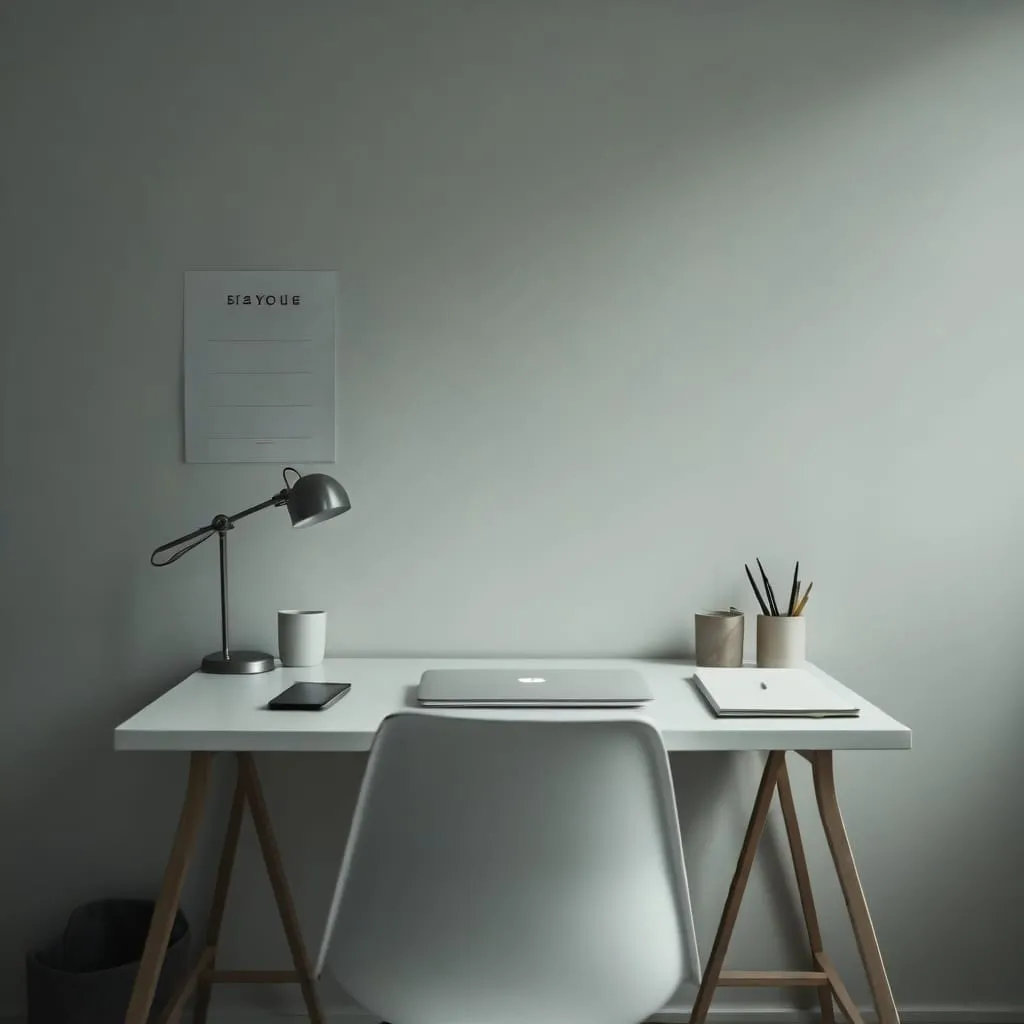
So, the next time you feel the urge to do a million things at once, take a step back. Clear your desk, take a deep breath, and dive into that one task that needs your attention. You might be surprised at how much more you can achieve when you're not trying to be a human octopus.
Remember, it's not about doing more; it's about doing better. By focusing on one task at a time, you're not just boosting your productivity – you're also giving yourself the gift of a calmer, more focused mind. And in this crazy, fast-paced world, that's worth its weight in gold.
So, are you ready to give single-tasking a shot? Start small. Pick one day this week to focus on a single important task. Turn off your notifications, clear your workspace, and dive in. You might just find that doing less actually helps you accomplish more. And who knows? You might even enjoy the process along the way.
In the end, it's all about finding what works for you. The 'One Task Week' approach is a tool, not a rule. Experiment with it, adapt it to your life, and see how it feels. You might just discover a whole new level of productivity and peace of mind you never knew was possible.
So go ahead, give it a try. Your future, less-stressed, more-productive self will thank you. And remember, Rome wasn't built in a day, and neither is a new habit. Be patient with yourself, celebrate the small wins, and keep pushing forward. You've got this!