The Psychology Behind Overspending: Why We Buy Things We Don't Actually Need
Discover the psychology behind overspending and 6 proven strategies to control impulse purchases. Learn how retailers manipulate your mind and regain control of your finances.
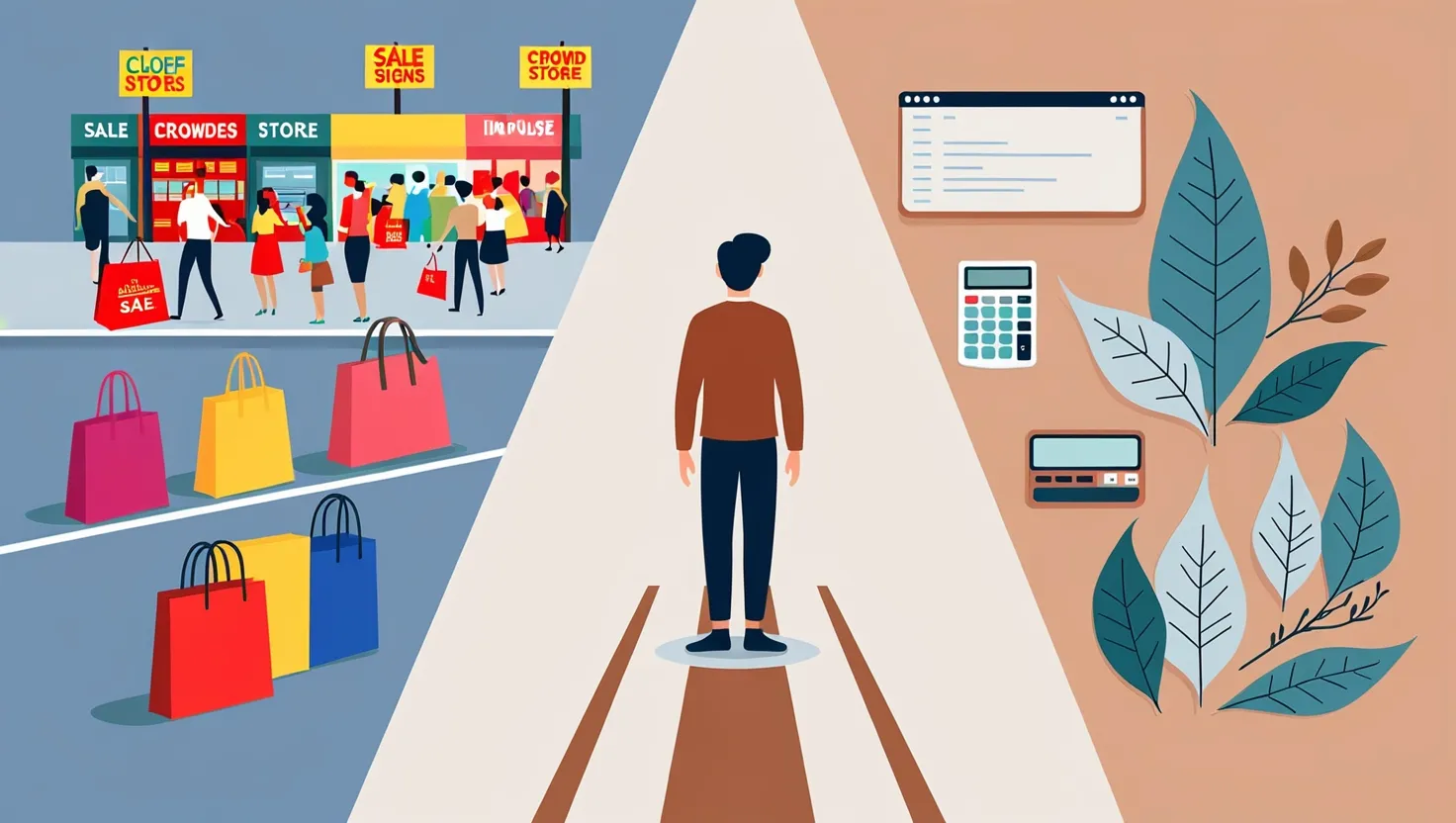
Have you ever felt a rush when you grab something on sale, only to later wonder if you actually needed it? Most of us have, and it’s not just about what’s in our wallets—it’s about what’s going on in our minds. Spending isn’t purely rational; it’s shaped by hidden psychological triggers that lead us to overspend, again and again.
Let’s start with the feeling of urgency. Scarcity messaging is everywhere—think about those “Last chance!” pop-ups or “Only three left!” banners flashing at you while you shop online. Retailers play on the fear of missing out, nudging you to act fast or risk losing out. This isn’t just marketing; it’s psychology in action. Our brains are wired to grab opportunities when resources seem limited, a trait rooted in survival instinct—but is buying a sweater at 80% off really survival? Asking yourself, “Would I want this if it was always available?” can deflate that urgency and help you pause before spending.
“The things you own end up owning you.” —Chuck Palahniuk, Fight Club
How does it feel when you see friends with the newest phone or designer shoes? Social proof is powerful. We often upgrade our choices just to fit in or stand out, even if we’re already happy with what we have. Marketers know this and encourage purchases by showing happy groups using their products. Before you buy, ask yourself: “Am I getting this because I want it, or because others have it?” Defining your own standards is key—don’t let someone else’s lifestyle run your bank account.
Ever noticed how spending with digital wallets feels different than handing over cash? The pain of paying is less intense when you tap your phone than when you count bills. Studies show that physical money makes us more conscious of what we part with. If you want to slow your spending, use cash for non-essentials. Feeling the transaction creates a subtle mental checkpoint before you buy.
“Too many people spend money they haven’t earned, to buy things they don’t want, to impress people they don’t like.” —Will Rogers
Restaurants and online stores know another trick: decoy pricing. You see a super expensive option next to a more reasonable one, making it seem like a good deal by comparison. Ever wondered why wine lists have a $400 bottle next to the $60 one you finally choose? The presence of high-priced options nudges you toward the middle, even if you barely considered the lowest price. Try setting your budget before you browse, so anchoring effects don’t influence your choice.
After a rough day, do you feel tempted to reward yourself? This is the reward justification trigger. Retail therapy isn’t just a buzzword—it’s a habit where we treat ourselves after stress, often with costly purchases. The comfort is real, but fleeting. Keep a “want list” of items and wait a week; often the craving fades, and you save your money for something more meaningful. Ask yourself, “Is this a treat, or am I escaping something?” That question alone can reset your thinking.
“The best way to look at any business is from the standpoint of the client.” —Jamie Dimon
How do we fight back? First, make a rule: wait 24 hours before buying anything non-essential. This cool-off period can reveal whether the urge is real or just impulsive. I’ve found that unsubscribing from store emails and turning off app notifications lowers temptation dramatically. Out of sight, out of mind.
When you go shopping, define exactly what you’ll buy beforehand. Whether online or in person, sticking to a narrow list shrinks the space for impulse. Try walking into a store only after writing down specific criteria. Is it under a certain price? Will you use it often? If something doesn’t meet your standards, walk away.
“Price is what you pay. Value is what you get.” —Warren Buffett
Some people set up a “want list,” where an item stays for a week before buying. Most impulse wants disappear with time. Only what’s truly useful survives scrutiny. You might be surprised at how many things felt urgent at first, but lost appeal after a few days.
Digital payment solutions blur the emotional pain of parting with money—so if you’re serious about controlling non-essential spending, try a cash envelope system for a month. You’ll immediately notice how each purchase feels more tangible, and you’ll think longer before letting go of your bills.
Next time you spot a flash sale or time-limited offer, consider: is scarcity real, or manufactured to push you? If you feel pressure to fit in because of what friends or influencers own, reflect on what’s truly important to you. Social proof can be a good signal for quality or popularity, but it shouldn’t be the main reason you buy. How might your spending change if no one could see what you bought?
“Advertising is the art of convincing people to spend money they don’t have for something they don’t need.” —Will Rogers
Recognizing the triggers behind your spending isn’t about guilt or deprivation. It’s about building self-awareness, so every purchase is truly yours—not someone else’s idea planted in your mind. The ability to pause, think, and make deliberate choices puts you in control, regardless of what retailers or your social circle are doing.
Finally, ask yourself: “If I saw this on my bank statement tomorrow, would I feel regret?” A moment’s reflection is often enough to reset the habit. Mindful spending doesn’t just protect your assets—it protects your sense of autonomy in a world designed to make you part with your cash. That’s real financial freedom.